



Get Easy Health Digest™ in your inbox and don’t miss a thing when you subscribe today. Plus, get the free bonus report, Mother Nature’s Tips, Tricks and Remedies for Cholesterol, Blood Pressure & Blood Sugar as my way of saying welcome to the community!





How to choose a safe sunscreen (and which ones to avoid)
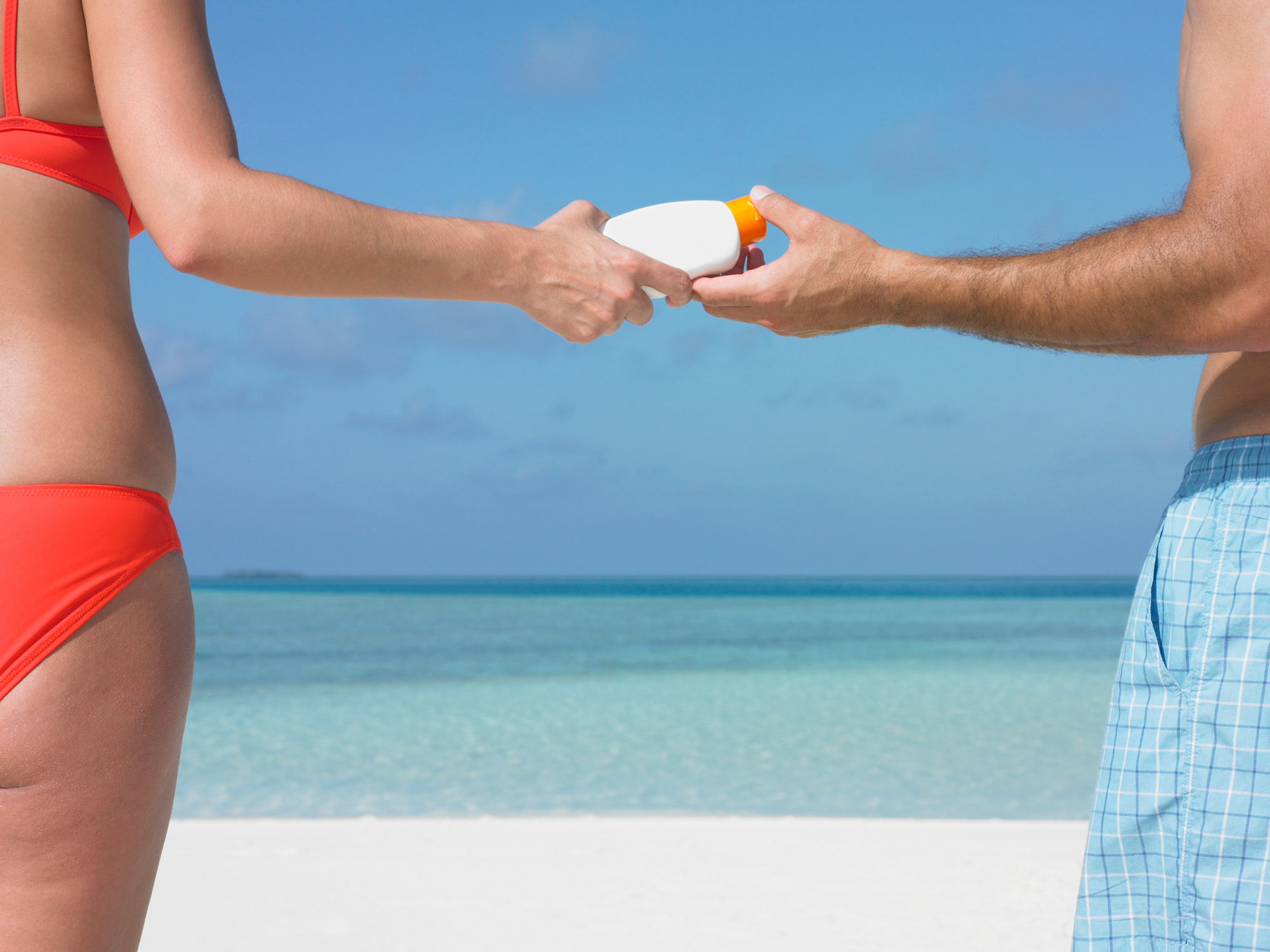
Summer’s here, and the sun is shining bright. And, with that summer sun, you have to start thinking about protecting your skin from harmful UV rays. Because, while some sun is important to provide the vitamin D your body needs to stay healthy, too much and you risk a whole host of problems, including skin cancer.
But, before you grab just any sunscreen off the store shelf, you should know that not all sunscreens are safe. In fact, there are a number of extremely toxic ingredients lurking in many brands on the market today.
And, to top it off, a recent analysis found that a whopping 67 percent of them don’t even work!
«SPONSORED»
Yep, you read that right…
67 percent of those sunscreens for sale that claim to protect you from burns and skin cancer don’t work AT ALL – meaning that they don’t protect you or they have ingredients in them that could actually be dangerous to your health.
Not exactly what you thought you were paying for was it?
Here’s what you need to know when choosing a sunscreen.
Toxins & trouble
You may be surprised to hear that sunscreens in Europe are not only safer than those here in the United States, but also work better.
So if you’ll be traveling abroad this summer, you may just want to wait and pick up your sunscreen where you land.
Otherwise, here are some important issues to consider when choosing your sunscreen…
1. Spray Sunscreens
Spray sunscreens pose a risk of inhalation, which could damage your lungs. And to make matters worse, they don’t coat your skin evenly, leaving you at high risk for sunburns and skin damage, so avoid these like the plague.
2. Lack of Broad-Spectrum Protection
In Europe, both UVA and UVB protection are required for sunscreen to pass muster and be put on store shelves. Unfortunately, that’s not the case here.
In fact, the Environmental Working Group (EWG) estimates that this year, nearly half of sunscreens sold in the U.S. wouldn’t provide enough UVA protection to be sold in Europe.
Look for a sunscreen that provides broad-spectrum (both UVA and UVB protection).
3. Vitamin A
Vitamin A in your sunscreen may sound healthy, but in fact, a common sunscreen additive, a form of vitamin A, called retinyl palmitate, can harm your skin.
Scientific studies show that, in combination with sunlight, it can actually cause skin tumors… And, don’t you buy sunscreen to use it in sunlight?
Be sure to avoid any sunscreens that contain retinyl palmitate.
4. Super High SPF’s
I’m sure you’ve seen those crazy-high SPF numbers and thought, surely, that would protect your skin from burning in the sun. But the facts show that’s not the case.
The truth is that higher SPF ratings don’t necessarily offer greater protection from UV-related skin damage (especially the really dangerous UVA damage). And that high number may give you a false sense of confidence and lead you to spend too much time in the sun.
An SPF of 50 is a good number to shoot for.
5. Oxybenzone
Another toxin to watch out for is oxybenzone. The reason for this is it’s a hormone disruptor – something you definitely don’t want to be rubbing into your skin all summer long.
So, which sunscreen is right for you?
To make it easy, check out the EWG’s site for the most effective sunscreens. It’s even broken down so that you can choose whether you will be using your sunscreen for the beach or sport, as a moisturizer, and it gives you a list of the most toxic ones you should avoid, along with cheap, widely available options.
Editor’s note: Have you heard of EDTA chelation therapy? It was developed originally to remove lead and other contaminants, including heavy metals, from the body. Its uses now run the gamut from varicose veins to circulation. Click here to discover Chelation: Natural Miracle for Protecting Your Heart and Enhancing Your Health!
Sources:
- EWG’s Sunscreen Guide — Environmental Working Group

By Virginia Tims-Lawson

«SPONSORED»
