



Get Easy Health Digest™ in your inbox and don’t miss a thing when you subscribe today. Plus, get the free bonus report, Mother Nature’s Tips, Tricks and Remedies for Cholesterol, Blood Pressure & Blood Sugar as my way of saying welcome to the community!





10 ways to lower your PSA levels
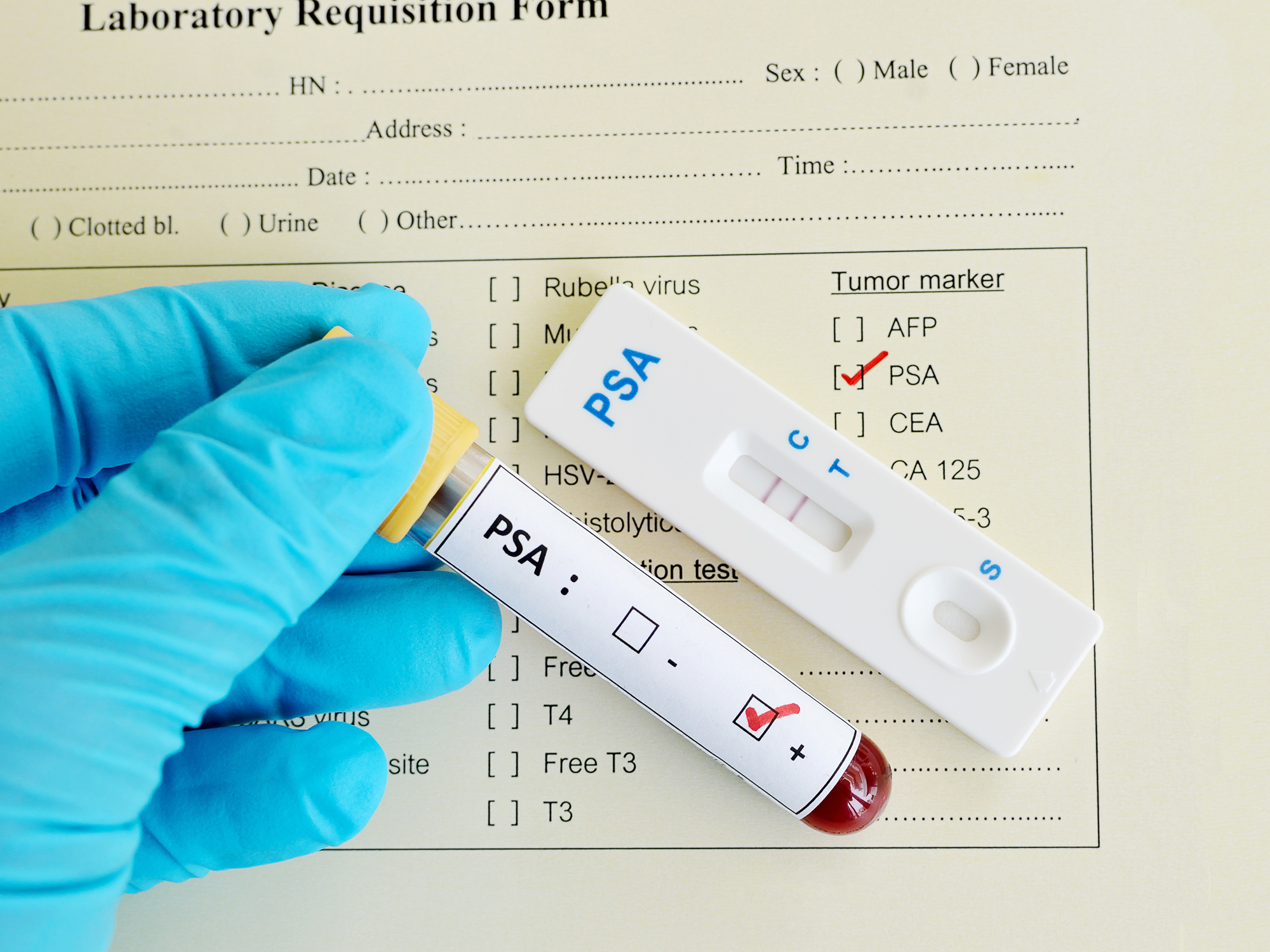
PSA (Prostate-Specific Antigen) is a protein produced by the prostate. Elevated PSA levels are commonly associated with prostate inflammation, benign enlargement, infection, and — less commonly — prostate cancer. Research suggests that lifestyle changes, targeted nutrients, and inflammation reduction may help support healthy PSA levels in some men.
What is PSA and why it rises
PSA is a protein made by prostate tissue. Levels may rise due to:
- Prostate inflammation (prostatitis)
- Benign prostatic hyperplasia (BPH)
- Urinary tract infections
- Recent ejaculation or cycling
- Certain medications
- Prostate cancer (less common than many assume)
Men are usually advised to have their PSA (prostate-specific antigen) level measured beginning between the ages of 40 and 50, depending on their ethnicity and family history.
Why is it recommended to have your PSA checked? An elevated PSA can be an early indication that something is not quite right with the prostate, such as the possibility of prostatitis, an enlarged prostate, or prostate cancer. At the same time, a lower PSA is a strong indication of good prostate health.
In any event, it’s best to get a PSA test so you and your doctor can decide whether any action is necessary. In general, you can promote prostate health by following lifestyle guidelines, starting with the suggestions below…
#1 Eat more fruits, vegetables and nuts
Lycopene is a pigment that gives some foods in the carotenoid family their reddish color, including carrots, mangoes, tomatoes and watermelon, and is associated with reducing oxidative stress and inhibiting cell growth.
Dihydrotestosterone, or DHT, is a hormone that promotes prostate inflammation and stimulates insulin-like growth factor-1 (IGF-1), a hormone that can promote abnormal cell growth and cancer. A National Institutes of Health study noted that lycopene inhibits IGF-I growth in prostate cells by reducing DHT-modulated IGF-I production.
Other food substances that inhibit DHT include L-lysine (in almonds, peanuts, pecans and walnuts) and zinc (found in cashews, kale, spinach, wheat germ, white mushrooms and supplements). Make a point to include several of the mentioned foods in your diet every day.
#2 Add some pomegranate to your diet
Pomegranates are rich in polyphenol phytonutrients, which confer antioxidant and anti-inflammatory benefits. Almost all parts of the pomegranate contain phytonutrients in high concentrations, but the juice and edible seeds are most popular.
Research at Johns Hopkins has shown that consuming pomegranates can reduce the rate of PSA doubling in men who have prostate cancer. Overall, the doubling time increased from 11.9 months at baseline to 18.5 months after treatment with pomegranate extract. Since pomegranate is high in sugar, taking a supplement may be better than eating the fruit regularly.
#3 Exercise more
Staying physically active can help lower your PSA levels. Aerobic activities, such as walking, running, cycling, and rowing, are encouraged, as are some resistance exercises to help strengthen and tone muscles.
A highly recommended exercise approach is HIIT (high-intensity interval training), which is ideal for men who want to maximize their exercise benefits in a minimal amount of time.
A study in the Annals of Occupational and Environmental Medicine looked at the PSA levels and physical activity of nearly 2,000 healthy males and found that “PSA levels were significantly higher among the group with hypertension or the group of individuals that did not exercise regularly or group of office workers who were considered to have lesser physical activities.”
#4 Maintain a healthy weight
Being overweight has long been associated with health risks throughout the body, and the prostate is no exception.
However, contradictory evidence surrounds the association between overweight and obesity and PSA. On the one hand, excess weight is associated with a greater risk of prostate cancer, prostatitis, and enlarged prostate, all conditions that are also associated with an elevated PSA. However, several studies point to lower PSA levels in healthy overweight and obese men, including a new study in the International Journal of Clinical and Experimental Medicine. Overall, however, losing weight is the more logical and healthful step for the prostate and your general health.
#5 Consider aspirin
Aspirin is a common nonsteroidal anti-inflammatory drug (NSAID) used to reduce pain and fever. Over the years, doctors have often recommended it for blood thinning as well, and research continues to find other ways it may benefit health.
Several studies have indicated that the use of aspirin and other NSAIDs can reduce PSA levels. A University of Arizona study, for example, found that this effect was especially significant among men who had never smoked. Before taking aspirin, however, talk to your healthcare provider about whether it is safe for you and the optimal dose.
#6 Eat more tomatoes
Above, I mentioned that the plant pigment, lycopene, is associated with reducing oxidative stress and inhibiting cell growth.
Many studies on lycopene’s impact on prostate health have focused on tomatoes. Lycopene is released from tomatoes when they are cooked, so you get the most benefit from enjoying stewed tomatoes, tomato soup, tomato-based pasta sauces, and tomato juice.
One caution, however: don’t eat tomatoes that have been canned, as they may have been exposed to BPA (bisphenol-A) in the lining of the can, a chemical that disrupts your endocrine system and may contribute to prostate cancer. Fresh is definitely best for this fruit.
#7 Reduce or avoid foods that harm the prostate
You may be surprised at how many everyday foods irritate the prostate and can contribute to a rise in PSA levels and an enlarged prostate. Here are some of the foods and beverages that fall into this category:
- Foods that contain acrylamide, such as French fries and potato chips (the two biggest offenders) and doughnuts.
- Foods rich in saturated fats.
- Excess alcohol.
- Nonfermented soy products, such as tofu and edamame, can raise estrogen levels.
- Microwave popcorn.
- Nonorganic potatoes, meats, and dairy products.
- Canned foods, especially tomatoes, which are acidic and more likely to leach bisphenol A (a hormone disruptor) from the lining of the cans.
- And these 8 worst foods for prostate health.
#8 Reduce animal protein intake
Protein is a significant nutrient that supplies the body with energy and helps build and repair cells.
Meat, poultry, and dairy foods are typically high in protein and also trigger the release of a substance called insulin-like growth factor-1 (IGF-1). When you consume a considerable amount of these high-protein foods, the body makes a lot of IGF-I and can use some of it to promote cancer growth, including prostate cancer.
A study in Cancer Epidemiology, Biomarkers and Prevention reported that IGF-I levels were elevated among animal protein eaters but not among plant protein consumers. In fact, eating plant protein seemed to reduce IGF-1 levels. If you do eat animal protein, be sure to choose organic products that are not raised with antibiotics or other hormones.
Protein can also be acquired from plant sources to reduce the amount of animal protein in the diet.
#9 Try quercetin and pollen
Quercetin is an antioxidant flavonoid with anti-inflammatory properties found in many fruits, vegetables and grains. The highest concentrations are found in onions, apples, berries and tea.
Both quercetin and pollen (a powdery substance produced by most types of flowers of seed plants) have demonstrated properties that promote and support prostate health, including anti-inflammatory and antioxidant abilities, especially in the management of the inflammatory condition known as prostatitis.
In addition, a study in Urology examined the effect of an anti-inflammatory combination (quercetin, nimesulide, saw palmetto, and bromelain) taken daily for 3 months in men with baseline PSA values of 7.2 ng/mL or 7.3 ng/mL. By the end of the study, the combination had effectively and safely reduced PSA levels from 7.3 ng/mL to 4.6 ng/mL among men who had prostate inflammation. Both quercetin and pollen can be taken separately, but they can also be found together in supplement formulas designed to support prostate health.
#10 Follow The Prostate Diet
Men who want to help keep PSA levels low, support overall prostate health, and fight inflammation are encouraged to follow The Prostate Diet. The diet has 10 foundations, which, if you follow them consistently, should reward you with a healthy prostate and overall health. Post them where you can refer to them until they become a habit.
- Eat lots of fruits and vegetables, organic whenever possible.
- Consume healthy fats — monounsaturated, omega-3 fatty acids.
- Choose plant protein over animal protein.
- Drink green tea often.
- Choose whole, natural foods over refined, processed foods.
- Include foods rich in omega-3 fatty acids (e.g., cold-water fatty fish, walnuts, algae).
- Avoid or significantly limit certain foods and supplements (see “Reduce or avoid foods that harm the prostate”).
- Choose prostate cancer-killing foods and supplements, such as tomatoes, green tea, and vitamin D.
- Stay well hydrated with pure water.
- Consider taking natural supplements that support prostate health.
Remember, PSA is not a diagnostic tool on its own. Elevated PSA does not automatically indicate cancer, and lowering PSA numbers alone should never replace proper medical evaluation. Men should always discuss PSA results and prostate symptoms with a qualified healthcare professional.
Editor’s note: Discover how to live a cancer prevention lifestyle — using foods, vitamins, minerals and herbs — as well as little-known therapies allowed in other countries but denied to you by American mainstream medicine. Click here to discover Surviving Cancer! A Comprehensive Guide to Understanding the Causes, Treatments and Big Business Behind Medicine’s Most Frightening Diagnosis!
Sources:
- Algotar AM et al. Effect of aspirin, other NSAIDs, and statins on PSA and PSA velocity. Prostate 2010 Jun 1; 70(8): 883-88
- Allen NE et al. The associations of diet with serum insulin-like growth factor 1 and its main binding proteins in 292 women meat-eaters, vegetarians, and vegans. Cancer Epidemiology, Biomarkers and Prevention 2002 Nov; 11(11): 1441-48
- Gallo L. The effect of a pure anti-inflammatory therapy on reducing prostate-specific antigen levels in patients diagnosed with a histologic prostatitis. Urology 2016 Aug; 94:198-203
- Kim SH et al. Serum prostate-specific antigen levels and type of work in tire manufacturing workers. Annals of Occupational and Environmental Medicine 2014 Nov 4; 26(1): 50
- Liu X et al. Lycopene inhibits IGF-I signal transduction and growth in normal prostate epithelial cells by decreasing DHT-modulated IGF-I production in co-cultured reactive stromal cells. Carcinogenesis 2008 Apr; 29(4): 816-23
- Paller CJ et al. A randomized phase II study of pomegranate extract for men with rising PSA following initial therapy for localized prostate cancer. Prostate Cancer and Prostatic Disease 2013 Mar; 16(1): 50-55
- Zhang J et al. An inverse association of obesity and prostate-specific antigen in elderly males. International Journal of Clinical and Experimental Medicine 2016; 9(9): 18746-53

By Craig Cooper

«SPONSORED»
