



Get Easy Health Digest™ in your inbox and don’t miss a thing when you subscribe today. Plus, get the free bonus report, Mother Nature’s Tips, Tricks and Remedies for Cholesterol, Blood Pressure & Blood Sugar as my way of saying welcome to the community!



Taking CoQ10? Why your body may respond differently
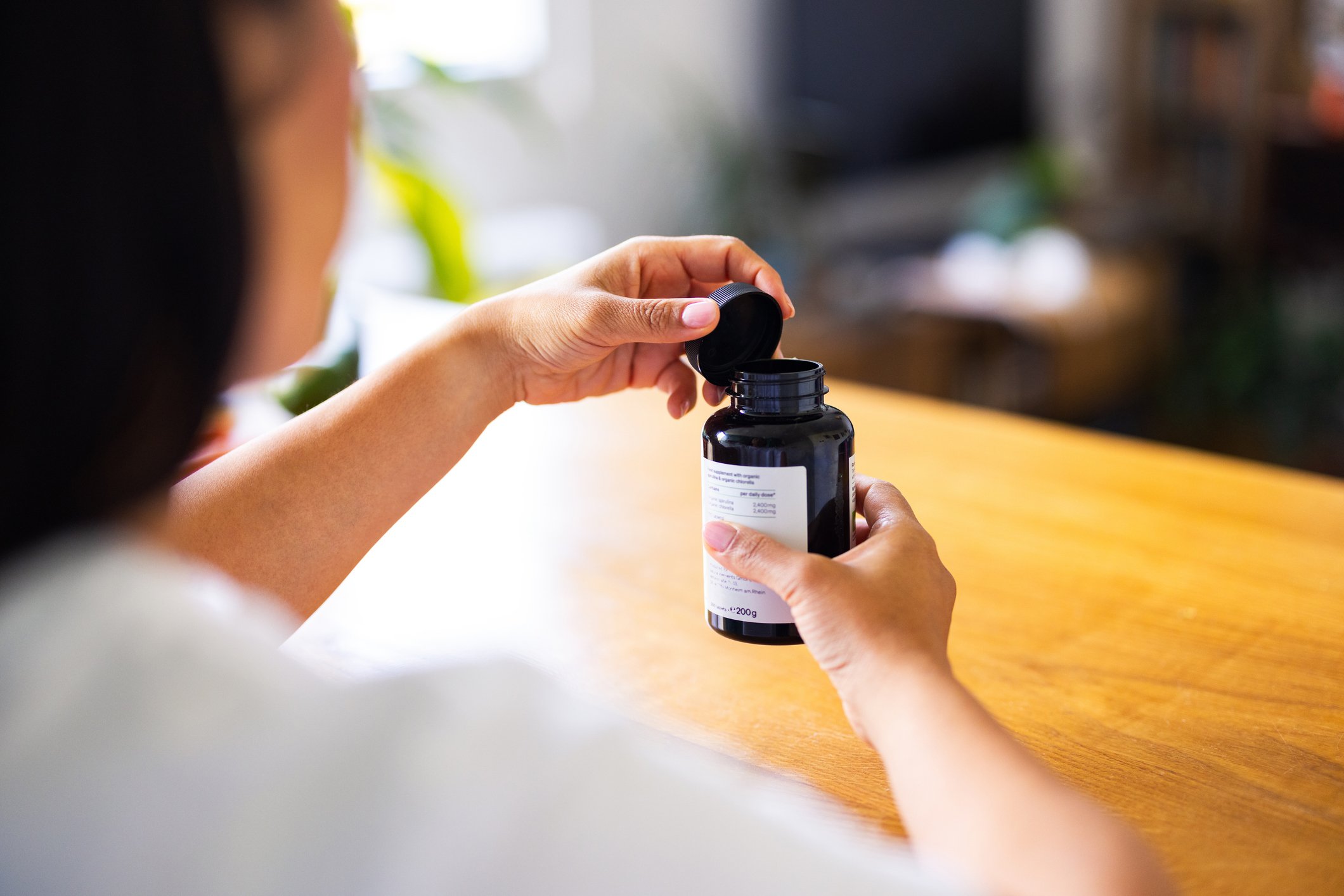
If you take CoQ10, you probably put some thought into choosing it. Maybe your doctor suggested it after prescribing a statin. Maybe you were looking for support for cellular energy.
You checked the dose. You started taking it faithfully. But there’s something the milligrams on the bottle can’t tell you: how your body will handle it.
Part of the answer may be written in your genes. A common genetic variation can weaken a pathway your body uses to convert CoQ10 into its antioxidant form.
Quick Answer: A common variation in the NQO1 gene can reduce the activity of an enzyme that helps convert ubiquinone into ubiquinol, CoQ10’s active antioxidant form. Ubiquinol supplements already supply that reduced form. Formulation also affects how much CoQ10 reaches the bloodstream.
The genetic wrinkle in your CoQ10 response
Your body makes CoQ10 to help fuel cellular energy production and protect against oxidative damage. But production tends to decline with age, and statins can further reduce your supply.
That’s why people often turn to supplements to replenish their levels. But getting CoQ10 into your body is only part of the equation — your body also has to process it.
Your body uses enzymes to convert ubiquinone — the form of CoQ10 found in many supplements — into its antioxidant form, ubiquinol.
One of those enzymes is made using instructions from a gene called NQO1. But a common variation in that gene, called NQO1*2, can leave you with less functioning NQO1 enzyme to help make that conversion.
With one copy of the variant, this conversion pathway operates with reduced enzyme activity. With two copies, activity of that particular enzyme can be virtually absent. Research examining human tissues supports this difference.
This isn’t an obscure genetic difference. In a CDC population dataset, approximately 33% of participants carried one copy and nearly 5% carried two. Frequencies varied among population groups.
So what does that mean when you take a CoQ10 supplement?
Your body may have less capacity to convert ubiquinone into ubiquinol through this pathway. A CoQ10 supplement using ubiquinol supplies the reduced form directly, bypassing that initial conversion.
But your body has other conversion pathways, too. Researchers haven’t established how much this variant changes the overall conversion of a ubiquinone supplement — or whether carriers consistently get better results from ubiquinol.
The useful distinction: genetics can weaken one part of your CoQ10 conversion system. It doesn’t necessarily disable the whole system.
«SPONSORED»
What “active CoQ10” means for your cells
Ubiquinol’s antioxidant role is important. But ubiquinone also has a job to do.
Inside your mitochondria — the tiny structures that produce most of your cells’ energy — CoQ10 continually cycles between the two forms, accepting and donating electrons. That exchange helps power cellular energy production.
Your heart, brain and muscles depend on that energy production. The conversion between forms is part of CoQ10’s normal work — not simply a one-time activation step.
That’s why “active CoQ10” needs a little explanation: ubiquinol provides the reduced, antioxidant form, while both forms participate in the energy-producing cycle.
Why the form—and the formula—matter
Conversion is only part of the story. Absorption is a separate hurdle: getting CoQ10 from your digestive tract into circulation.
Here, studies show measurable differences between supplements.
In a study of 12 healthy volunteers, participants took 200 mg daily of ubiquinone and, during a separate period, the same dose of ubiquinol. The softgels contained identical supporting ingredients.
Average total CoQ10 blood levels rose from 0.9 to 2.5 micrograms per milliliter with ubiquinone, compared with 4.3 with ubiquinol. Ubiquinol produced a significantly greater increase in that comparison.
Another study shows why the formulation deserves attention, too.
Investigators tested seven formulations, each supplying 100 mg, in 14 volunteers. Absorption differed substantially. The two best-performing products included one ubiquinone formulation and one ubiquinol formulation.
The ingredients used to dissolve and carry CoQ10 helped determine how well it reached the bloodstream. Individuals also differed in their response.
That means the form matters, but so does the finished product. A label naming ubiquinol doesn’t tell you how it compares with every other formulation.
And these studies measured blood levels — not whether a particular product delivered greater relief from fatigue or better heart health.
Putting this information to work
You don’t need to solve your genetic code before taking a closer look at your supplement. Start with these questions:
Which form am I taking? Look for ubiquinone or ubiquinol on the label. Ubiquinol supplies CoQ10 already in its reduced, antioxidant form.
Am I following the directions? Taking CoQ10 with food can improve absorption. Check the product’s instructions rather than automatically swallowing it with coffee on an empty stomach.
Does it fit my medications? Have your pharmacist review it, especially if you take warfarin or insulin, or receive cancer treatment. CoQ10 can interact with these treatments.
Editor’s note: There are perfectly safe and natural ways to decrease your risk of blood clots including the 25-cent vitamin, the nutrient that acts as a natural blood thinner and the powerful herb that helps clear plaque. To discover these and other secrets of long-lived hearts, click here for Hushed Up Natural Heart Cures and Common Misconceptions of Popular Heart Treatments!
Sources:
Genotype–phenotype relationships in an NQO1 polymorphism — Pharmacogenetics
NQO1 allele and genotype frequencies — CDC
Association between genetic variants in CoQ10 metabolism and CoQ10 status in humans — BMC Research Notes
Comparison of CoQ10 blood levels after ubiquinol versus ubiquinone — Clinical Pharmacology in Drug Development
CoQ10 bioavailability depends on carrier lipids and solubilization — Nutrition
Improvement in intestinal CoQ10 absorption by food intake — Yakugaku Zasshi
Coenzyme Q10: safety and interactions — NCCIH
FAQ: Genetics, CoQ10 conversion and supplement absorption
Can genetics affect how your body uses CoQ10?
Yes. A common variant in the NQO1 gene can reduce the activity of an enzyme that helps convert ubiquinone into ubiquinol, CoQ10’s antioxidant form. The body has other conversion pathways, so carrying the variant doesn’t necessarily prevent you from using ubiquinone.
How common is the NQO1 gene variant?
In a CDC population dataset, approximately 33% of participants carried one copy of the NQO1*2 variant and nearly 5% carried two. Frequencies varied among population groups. These figures describe how common the variant is, rather than how many people have a demonstrated CoQ10 conversion problem.
What is the difference between ubiquinone and ubiquinol?
Ubiquinone is the oxidized form of CoQ10, while ubiquinol is its reduced, antioxidant form. Your body converts between them as part of normal cellular function. Both forms participate in the process that produces cellular energy.
Is ubiquinol better absorbed than ubiquinone?
Some human studies have found greater increases in CoQ10 blood levels with ubiquinol. However, absorption also depends on the finished formulation, including how CoQ10 is dissolved and carried. A well-formulated ubiquinone product can also perform well.
Should you take CoQ10 with food?
Taking CoQ10 with food can improve absorption. Follow your product’s directions, and check with your pharmacist about possible interactions if you take medications, especially warfarin or insulin, or receive cancer treatment.

By Margaret Cantwell

«SPONSORED»
