



Get Easy Health Digest™ in your inbox and don’t miss a thing when you subscribe today. Plus, get the free bonus report, Mother Nature’s Tips, Tricks and Remedies for Cholesterol, Blood Pressure & Blood Sugar as my way of saying welcome to the community!



The common cleaning habit harder on your lungs than you think
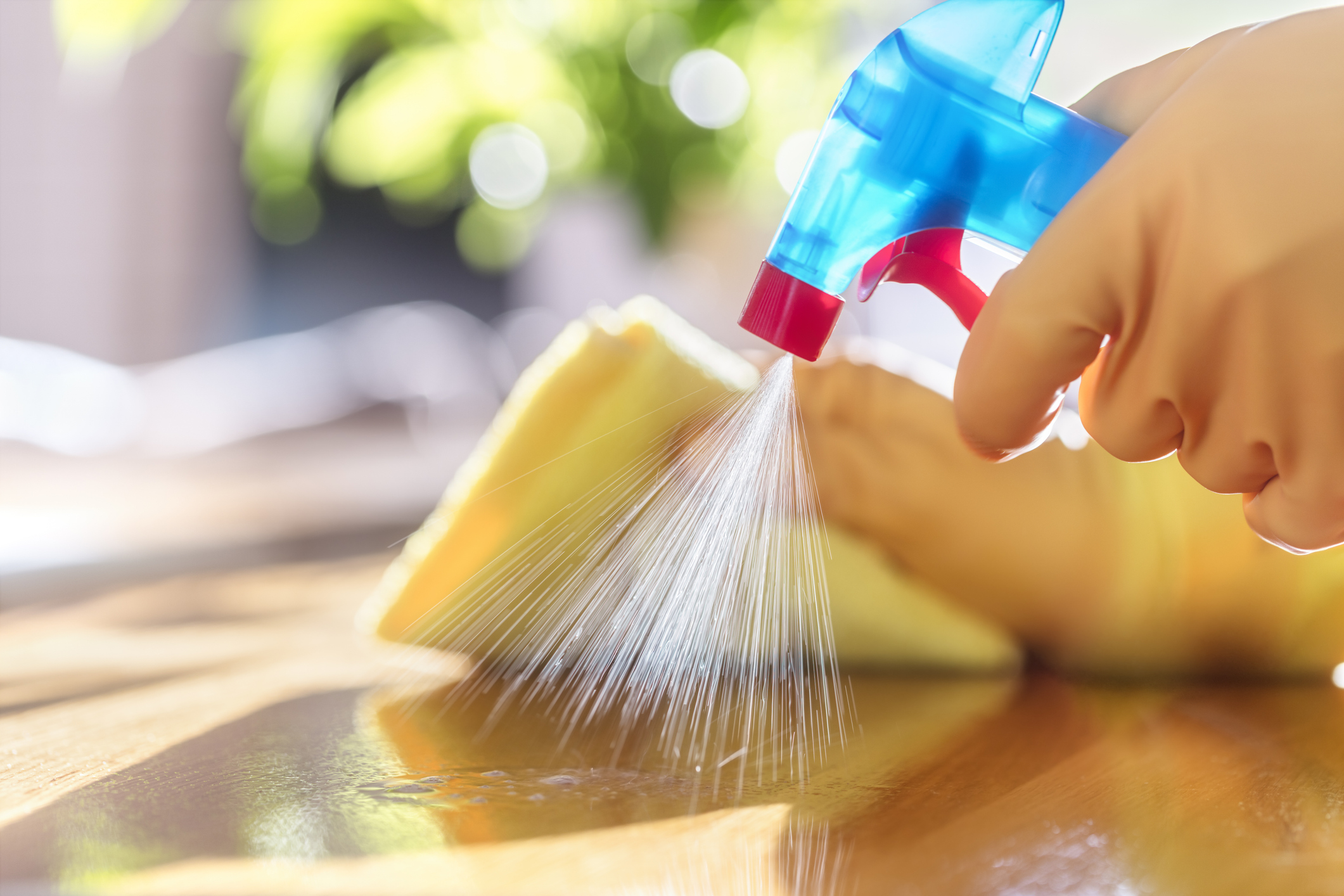
Most of us don’t think twice about using cleaning sprays on a kitchen counter or bathroom sink.
It feels like a simple way to keep our homes safe.
But new research suggests that habit may come with an unexpected downside, especially for your lungs.
The concern isn’t obvious, and most people have never heard about it.
Scientists are now warning that a class of common disinfectant chemicals may be more harmful when inhaled than when swallowed. And that matters because many of these products are designed as sprays, releasing tiny droplets directly into the air you breathe.
Why breathing it in may be the bigger concern
The chemicals in question are called quaternary ammonium compounds, or QACs. They’ve been widely used as disinfectants since the 1940s and are found in some cleaning sprays (including certain Lysol products), as well as other household and personal-care items.
On their own, these compounds don’t easily become airborne. But when sprayed, they form fine droplets that can be inhaled.
And here’s the surprising part: the biggest concern may not be what happens if you accidentally swallow these chemicals — but what happens when you breathe them in.
In a recent animal study, researchers from UC Davis found that inhaling these compounds led to dramatically greater lung injury and higher lethality compared to ingestion.
That’s a striking difference — and one that suggests inhalation exposure deserves much closer attention.
It’s important to note this was a mouse study, so the exact risk in humans isn’t fully understood. Still, the findings raise important questions about repeated exposure — especially in everyday situations where disinfectant sprays are used frequently in enclosed spaces.
Over time, researchers say this type of exposure could potentially contribute to respiratory issues such as asthma or COPD.
«SPONSORED»
What these chemicals may be doing inside your cells
The concerns don’t stop at the lungs.
In the same study, when mice inhaled enough QACs to damage their lungs, the levels detected in their blood were similar to levels previously measured in humans.
That suggests inhalation from spray products may be one way these chemicals enter the body.
Earlier research has found that about 80 percent of participants had detectable QAC levels in their blood. Those with higher levels tended to show lower mitochondrial activity — the process by which cells produce energy.
That matters because mitochondrial dysfunction has been linked to aging, memory decline, and neurodegenerative conditions like Parkinson’s disease.
That doesn’t mean every exposure is harmful — but it does raise an important question: how much are we breathing in over time without realizing it?
So what does this mean for your daily routine?
The good news is there’s no need to panic — or stop cleaning your home.
But it may be worth rethinking how often you disinfect, what products you use, and whether spraying chemicals into the air is really necessary.
Small changes in how you clean can make a meaningful difference in what you’re exposed to.
The goal isn’t to clean less — it’s to clean smarter.
Don’t assume disinfecting is always necessary
According to the CDC, cleaning with soap and water is enough in most situations to remove germs. Disinfection is typically only needed when someone is sick or has recently been ill in your home.
Skip spray products when possible
Since the concern centers on inhalation, consider applying cleaning products to a cloth or paper towel instead of spraying them directly. This is especially important for anyone with asthma or respiratory sensitivity.
Improve ventilation while cleaning
Open windows or doors and use a fan to direct air outside. Better airflow can help reduce the amount of airborne chemicals you breathe in.
Choose fragrance-free products
Even products labeled “natural, “green cleaners” or made with essential oils can contribute to indoor air pollution. Plug-in air fresheners and ozone-generating purifiers may make this worse.
Use simple, effective alternatives
Common household staples like white vinegar, baking soda, and lemon juice can handle many everyday cleaning tasks. For disinfecting, 3% hydrogen peroxide is an effective option that doesn’t produce the same harsh fumes as bleach. When using any cleaner, apply it to surfaces or cloths rather than spraying it into the air.
The bottom line
You don’t need to overhaul your routine overnight.
But being more mindful about how — and how often — you use disinfectant sprays could help protect both your air quality and your long-term health.
Editor’s note: Do you know that poor gums and teeth are linked to the number one killer in America? Not to mention kidney disease… rheumatoid arthritis… Parkinson’s disease… depression… and so much more. Click here to discover America’s Hidden Dental Health Crisis: How to protect yourself and your family from this dangerous public health peril!
Sources:
Common disinfectant chemicals far more toxic when inhaled, study finds — EurekAlert!
Differential and Sex-Specific Toxicity of Aspirated Quaternary Ammonium Compounds — ACS Publications

By Dr. Adria Schmedthorst


«SPONSORED»
