



Get Easy Health Digest™ in your inbox and don’t miss a thing when you subscribe today. Plus, get the free bonus report, Mother Nature’s Tips, Tricks and Remedies for Cholesterol, Blood Pressure & Blood Sugar as my way of saying welcome to the community!




The toxic byproducts lurking in your drinking water linked to cancer
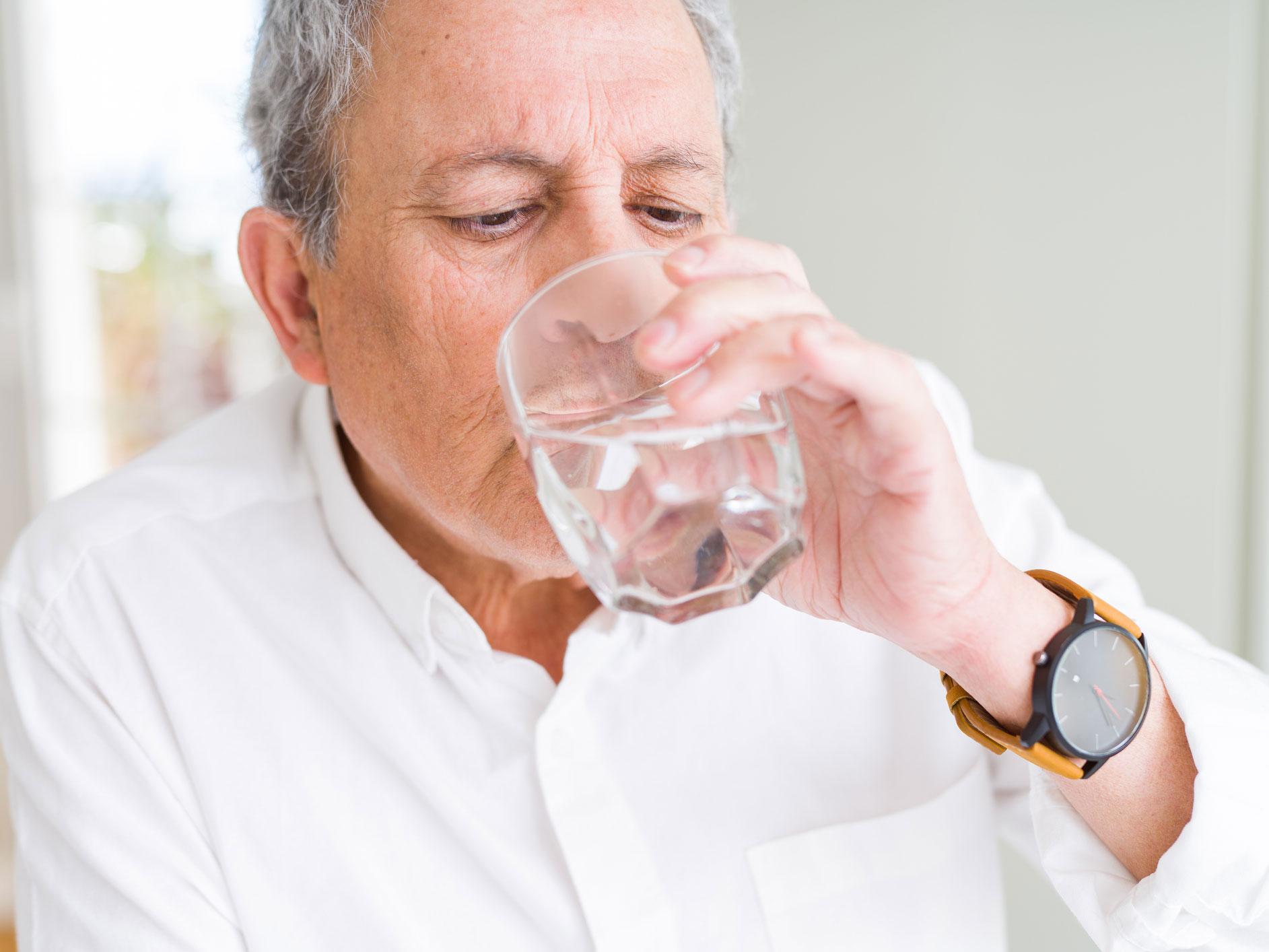
The most common method of disinfecting drinking water in the United States is by mixing it with chlorine — just like we do for our swimming pools.
And, there’s no doubt that doing so (despite how strange it seems to use such a strong, toxic-smelling compound in drinking water) has been beneficial.
In fact, according to Carsten Prasse, an assistant professor of Environmental Health and Engineering at The Johns Hopkins University, “Chlorination has saved millions of lives worldwide from diseases such as typhoid and cholera since its arrival in the early 20th century.”
Unfortunately, Prasse and a team of researchers from Johns Hopkins have found that killing those deadly diseases isn’t all chlorinating our water is doing…
It’s also producing previously unidentified toxic byproducts.
When you mix phenols with chlorine
That’s because drinking water generally has compounds known as phenols in it. These are chemical compounds that occur naturally in the environment and are also abundant in personal care products and pharmaceuticals.
So, basically, when the shampoo you use washes down the drain or you toss out your old medicine, phenols end up in the environment and then in our drinking water.
The problem is that when these phenols react with chlorine, the reaction produces numerous byproducts. And, in their experiments that replicated normal chlorination processes cities use to clean drinking water, the team found that two compounds, which are produced, are 2-butene-1,4-dial (BDA) and chloro-2-butene-1,4-dial (or BDA with chlorine attached).
Yup, chlorinating drinking water produced not one but two forms of the known carcinogen BDA, so each time you drink water from your faucet, you could be getting a side of cancer with your hydration boost.
These findings raise the question of whether the U.S. should switch to alternative methods for disinfecting drinking water, including ozone, UV treatment or simple filtration.
“In other countries, especially in Europe, chlorination is not used as frequently, and the water is still safe from waterborne illnesses. In my opinion, we need to evaluate when chlorination is really necessary for the protection of human health and when alternative approaches might be better,” said Prasse.
Protecting your drinking water today
But, until real change happens, you still need to take steps to protect yourself from the cancer lurking in your drinking water right now.
As you can imagine, the best way to do this is by using a water filtration system to clean your water.
However, as the CDC warns, not all water filters are created equal.
While some only help your water smell and taste better, it’s far more important to look for a filter that can clear out harmful chemicals and toxins.
According to water filter companies, activated carbon filters can help to remove everything from chemicals and pharmaceuticals to chlorine and heavy metals like lead.
And, of course, if you want to go all out, one of the most thorough options for home filtration is a reverse osmosis system, which is capable of removing not only bacteria but also most residual chemicals.
Editor’s note: Discover how to live a cancer prevention lifestyle — using foods, vitamins, minerals and herbs — as well as little-known therapies allowed in other countries but denied to you by American mainstream medicine. Click here to discover Surviving Cancer! A Comprehensive Guide to Understanding the Causes, Treatments and Big Business Behind Medicine’s Most Frightening Diagnosis!
Sources:
- New toxic byproducts of disinfecting drinking water — Johns Hopkins University
- Water filters for your home — Government of Western Australia Department of Health
- The Different Types of Water Filters — Soft Water Filtration
- Reverse Osmosis Water Filtration – How It Works — Soft Water Filtration
- Water Filters: How Do They Work? — PUR
- Choosing Home Water Filters & Other Water Treatment Systems — Centers for Disease Control and Prevention

By Dr. Adria Schmedthorst


«SPONSORED»
