



Get Easy Health Digest™ in your inbox and don’t miss a thing when you subscribe today. Plus, get the free bonus report, Mother Nature’s Tips, Tricks and Remedies for Cholesterol, Blood Pressure & Blood Sugar as my way of saying welcome to the community!




Dance and Parkinson’s: Benefits for memory and movement
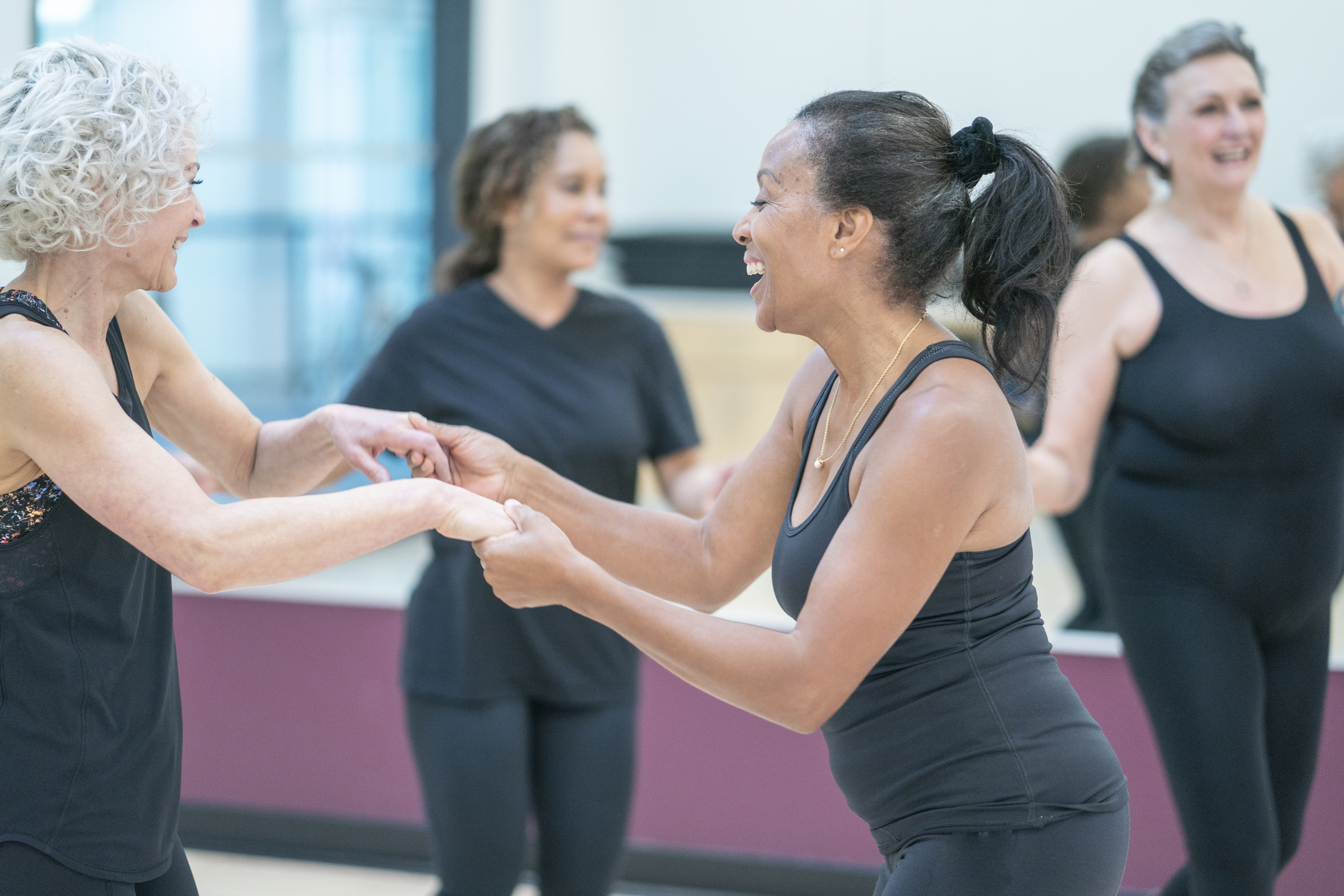
I have an older friend who absolutely adores her weekly senior ballet classes. She gets to do something she loves, enjoy a good workout and spend time with other people. She swears it keeps her young, sharp and happy.
Research gives her plenty of reasons to keep dancing.
But one of the most intriguing findings involves people facing a condition that can gradually steal both their mobility and their mental sharpness: Parkinson’s.
For them, a weekly dance class may offer something much more valuable than an enjoyable afternoon.
Quick answer: Can dancing help people with Parkinson’s?
Research suggests weekly dance classes may help people with Parkinson’s preserve thinking abilities and mobility. In a study spanning six years, dancers showed better cognitive outcomes than an inactive comparison group. Classes combined movement, music, learning and social connection. Dance can complement Parkinson’s care, although this observational study cannot prove it slows the disease.
What weekly dance classes revealed about Parkinson’s
When most people think of Parkinson’s, they picture trembling hands, stiffness or difficulty walking. But changes in memory, attention and other thinking abilities can also threaten independence.
That makes the findings from a York University study published in the Journal of Alzheimer’s Disease especially encouraging.
Researchers examined assessments collected from 2014 through 2019 involving 43 people with Parkinson’s who participated in community dance programs in Toronto. They compared their results with those of 28 people with Parkinson’s selected from a separate research database who reported no purposeful physical activity.
The dancers attended weekly, 75-minute classes led by trained instructors. Sessions began with a seated warm-up and progressed to supported standing exercises and dance sequences. Participants also learned choreography for a performance.
The dancers showed better cognitive scores than the comparison group in 2016, 2017 and 2018. Walking performance also remained relatively stable among the dancers assessed, while the comparison group performed worse in 2018.
Several details explain that six-year window: Participants contributed different numbers of assessments, and only five dancers underwent cognitive testing in 2019, when the difference between groups was no longer statistically significant. Walking results came from just 10 dancers. The groups also took different cognitive tests, which researchers standardized for comparison.
Still, the overall pattern was encouraging: People who danced showed signs of maintaining — and in some assessments improving — abilities that Parkinson’s can erode.
Because participants weren’t randomly assigned to dance or remain inactive, other differences could have contributed. Comparing dancers with inactive people doesn’t show whether dance works better than another exercise program.

«SPONSORED»
Why dance gives the brain so much to do
Think about what happens when you learn even a simple dance sequence.
You listen for the beat. Watch the instructor. Remember which movement comes next. Coordinate your arms and legs. Adjust your position as other people move around you.
That is a lot of activity packed into something that can feel like recreation.
“Dance is physical, mental, and social all at once,” says lead author Simran Rooprai.
That combination may help explain why researchers study dance for conditions that affect both movement and cognition. It asks the brain and body to work together while adding music, creativity and human connection.
Earlier research from the York team has also reported benefits involving depression and motor symptoms in Parkinson’s. Those findings suggest the potential value extends beyond a single test score.
For someone whose world has started to shrink around symptoms and appointments, a class also offers a regular opportunity to learn something, connect with others and enjoy moving.
You don’t need Parkinson’s to have a reason to dance
We’ve previously covered research linking dance with brain and body benefits, including improvements in balance and changes in the hippocampus, a brain region involved in learning and memory.
Other research has associated dancing with a lower likelihood of developing disabilities that interfere with everyday activities, such as dressing, bathing and walking.
Those studies don’t mean everyone who dances will avoid disability or cognitive decline. But they offer a compelling reason to think beyond the usual walking-or-gym choice when deciding how to stay active.
And enjoyment matters. A class you look forward to has an advantage over a workout you keep finding reasons to skip.
How to get started when movement is difficult
If you have Parkinson’s, you don’t need to master ballet or keep up with a fast-moving ballroom class to participate.
Programs designed for Parkinson’s adapt movement to different abilities. Dance for PD, for example, offers classes that can be enjoyed seated or standing, with no previous dance experience required.
A practical starting plan:
- Look for an adapted class. Ask your Parkinson’s care team or a local support organization about instructors experienced in working with the condition.
- Choose the right level of support. Discuss balance difficulties, freezing or recent falls with your physical therapist to choose the right seated or standing option.
- Make it a regular appointment. The study involved weekly classes. Put a suitable class on your calendar rather than waiting until you feel inspired.
- Bring someone along. A friend or care partner can make the first visit more comfortable and share the experience.
Keep dance alongside your prescribed treatment and rehabilitation. The goal is to add an activity that challenges you at a manageable level — and gives you a reason to come back.
My friend would probably say the researchers are catching up with something she already knew: Moving to music has a special satisfaction.
For people with Parkinson’s, that pleasure may come with meaningful benefits for the abilities they most want to protect.
Sources:
Dancing through time: Cognitive changes over six years of community dance in Parkinson’s disease — Journal of Alzheimer’s Disease
Dance effective in fighting against cognitive decline in Parkinson’s, York U study finds — York University
Dance for PD — Mark Morris Dance Group
FAQ: The impact of dance on cognitive decline in Parkinson’s
Can dancing help people with Parkinson’s?
Research suggests dance may help support thinking abilities and movement in people with Parkinson’s. A study spanning six years found encouraging cognitive outcomes among weekly dance participants compared with an inactive group. Because the study was observational, it cannot prove dance caused the benefits or slowed Parkinson’s progression.
How often did people dance in the Parkinson’s study?
The program offered 75-minute dance classes once a week. Attendance and the number of assessments varied among participants, so the findings do not establish a minimum amount of dancing needed to benefit.
What kind of dance is suitable for people with Parkinson’s?
An adapted class taught by an instructor experienced with Parkinson’s is a practical starting point. These programs can combine music, seated movements, supported standing exercises and dance sequences tailored to different abilities.
Can someone with Parkinson’s dance while seated?
Yes. Programs such as Dance for PD offer seated and standing options, and previous dance experience is not required. People with balance difficulties, freezing or recent falls should discuss appropriate class options with their care team or physical therapist.
Does dance help memory as well as movement?
The study found encouraging results on tests of overall cognitive function, rather than proving a specific improvement in memory alone. Dance combines remembering sequences, paying attention, coordinating movements and interacting with others, making it both a mental and physical activity.

By Carolyn Gretton



«SPONSORED»
