



Get Easy Health Digest™ in your inbox and don’t miss a thing when you subscribe today. Plus, get the free bonus report, Mother Nature’s Tips, Tricks and Remedies for Cholesterol, Blood Pressure & Blood Sugar as my way of saying welcome to the community!





The tiny particles that made prostate cancer vulnerable
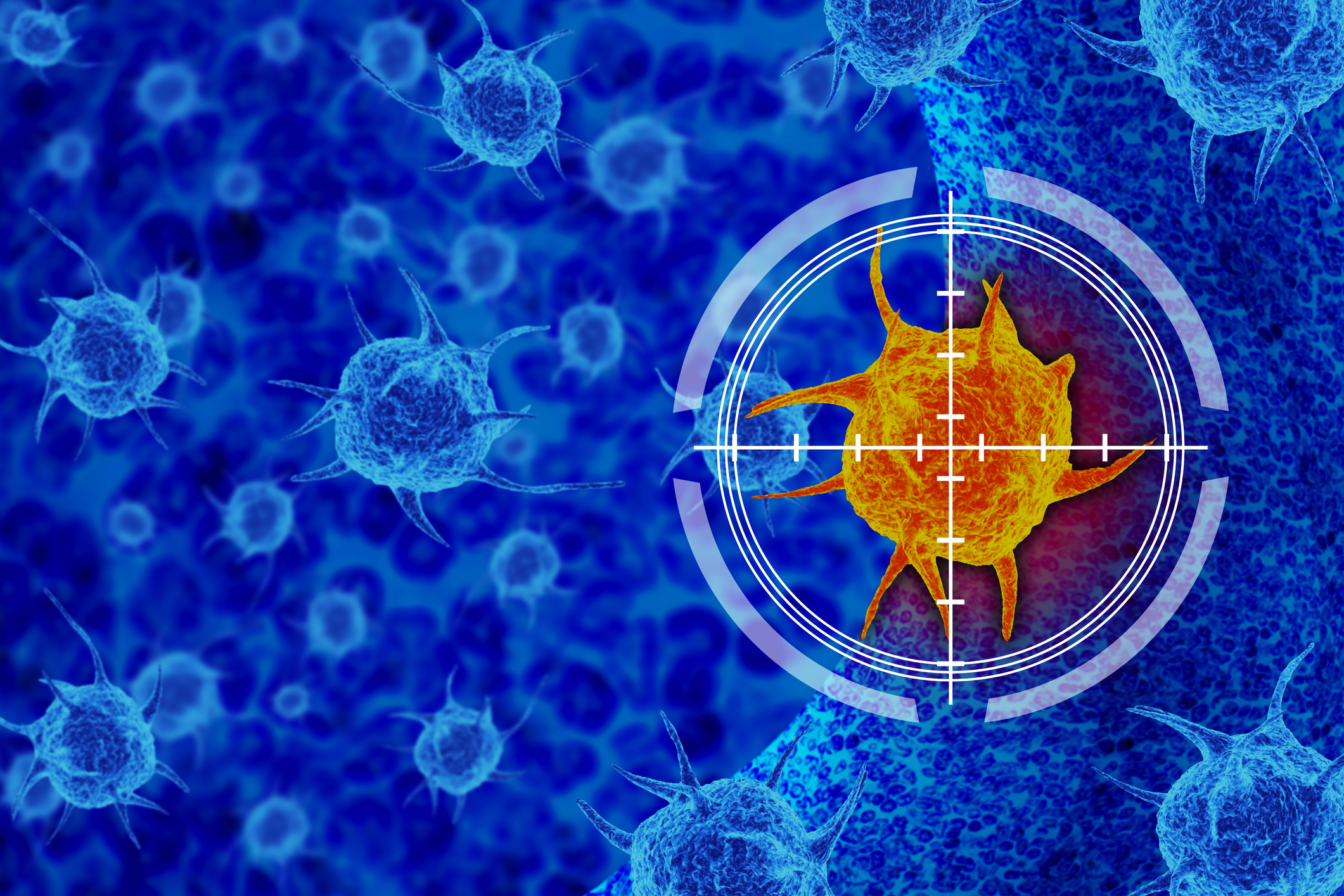
Prostate cancer has a frustrating defense against some of today’s most promising cancer treatments:
It can essentially hide from the immune system.
That’s one reason immunotherapy — treatments designed to help your own immune system recognize and destroy cancer cells — has had disappointing results against many advanced prostate cancers.
But researchers at Weill Cornell Medicine and Cornell Engineering may have found a way to change that.
Using extraordinarily tiny particles engineered to target prostate cancer cells, they attacked aggressive tumors from two directions at once — pushing cancer cells toward self-destruction while waking up the immune system around them.
When the researchers combined the particles with immunotherapy, tumors completely or nearly completely disappeared in some of the mice.
And adding a third treatment pushed the results even further.
Why prostate cancer can shut out an immune attack
Scientists often describe prostate tumors as “cold.”
That means there aren’t enough active cancer-fighting immune cells getting inside. At the same time, other immune cells surrounding the tumor can actually suppress an immune response, helping the cancer remain protected.
Think of it as a house that has turned off the lights, locked the doors and convinced the neighborhood watch there’s nothing to see.
That creates a major problem for immunotherapies known as immune checkpoint inhibitors.
These drugs can essentially release the brakes on cancer-fighting immune cells. But if those cells aren’t getting into the tumor in the first place, taking the brakes off can only accomplish so much.
So instead of asking immunotherapy to do all the work, the Cornell researchers attempted to change the tumor environment itself.
Turning a “cold” prostate tumor hot
Their tool was something called Cornell Prime dots, or C’ dots.
These are ultrasmall particles made from silica, also known as silicon dioxide. Silica is made from silicon and oxygen. Silicon is the second-most abundant element in Earth’s crust, where it naturally occurs combined with oxygen and other elements.
The C’ dots were originally developed for medical imaging, but researchers can engineer them to seek out particular targets in the body.
In this study, the particles were fitted with a molecule that homes in on PSMA, a protein commonly found on prostate cancer cells.
Once there, they made tumor cells highly vulnerable to a form of self-destruction called ferroptosis, which occurs when oxidative damage overwhelms the fatty molecules that make up cell membranes.
Researchers believe the silica particles may contribute by picking up reactive iron ions in the bloodstream and carrying them into tumor cells, although the exact process is still being investigated.
But killing tumor cells was only half the story.
The particles also changed the immune environment surrounding the cancer. T cells, macrophages and other immune cells shifted away from inactive or tumor-protecting states and toward stronger antitumor activity.
In other words, the researchers were turning a “cold” prostate tumor into a “hot” one that the immune system could finally see and attack.
When immunotherapy suddenly worked much better
The researchers tested the treatments in mice with aggressive prostate cancer.
Given by themselves, both the C’ dots and immunotherapy moderately extended survival.
But together, the results changed dramatically.
C’ dots plus immune checkpoint blockade produced complete or near-complete remissions and indefinite survival in four out of 10 mice.
Researchers then added a third treatment called CSF-1R blockade, which targets tumor-associated macrophages that can help tumors suppress immune attack.
With all three treatments, five out of 10 mice experienced complete remission.
The published study reports that the triple combination suppressed tumor growth and extended survival beyond 100 days.
That doesn’t mean a new prostate cancer treatment is ready for men today. This was a preclinical study in mice, and researchers still need to determine whether the approach can be used safely and effectively in people.
But it demonstrates something potentially important:
Sometimes defeating cancer may require more than attacking the tumor directly. Scientists may also need to change the environment cancer creates around itself so the immune system — and treatments designed to harness it — can finally do their jobs.
And then there’s the surprising silica connection
There was another part of this research that caught my attention.
The C’ dots are made from silicon dioxide, a form of silica found throughout the environment and also present in foods.
Study co-author Ulrich Wiesner specifically pointed to leafy greens and cereal grains, wondering whether silica’s long presence in our environment and food supply may have given it biological connections that scientists are only beginning to recognize.
Interestingly, those foods also fit closely with the kind of eating pattern experts already recommend for prostate health.
In fact, here’s what experts say a prostate cancer prevention diet should look like.
However, eating foods containing silica is not the same as receiving specially engineered, prostate-targeted silica nanoparticles.
Still, researchers now have another intriguing reason to investigate how naturally occurring silica interacts with our biology.
What men can do today
Even if this treatment is still years away from possible clinical use, there are steps men can take right now.
Start by knowing your prostate cancer risk.
Age and family history matter. The American Cancer Society recommends that men at average risk discuss prostate cancer screening with their healthcare provider beginning at age 50, while men at higher risk may need that conversation earlier.
The PSA blood test remains an important tool, but it isn’t a simple pass-or-fail cancer test. PSA can rise for reasons other than cancer, which is why screening and results should be discussed with your healthcare provider.
Research like this is a reminder of how quickly scientists’ understanding of cancer treatment is evolving — particularly their ability to manipulate the tumor environment and help the immune system fight back.
The hopeful message isn’t that a cure has arrived.
It’s that scientists have discovered a promising way to strip away one of prostate cancer’s most effective defenses.
And for a cancer that has been remarkably good at keeping the immune system locked out, learning how to open that door could be a very important step forward.
Editor’s note: Discover how to live a cancer prevention lifestyle — using foods, vitamins, minerals and herbs — as well as little-known therapies allowed in other countries but denied to you by American mainstream medicine. Click here to discover Surviving Cancer! A Comprehensive Guide to Understanding the Causes, Treatments and Big Business Behind Medicine’s Most Frightening Diagnosis!
Sources:
Experimental treatment kills prostate tumor cells while reawakening antitumor immunity — Cornell Chronicle
Reprogramming of TLR–Ferroptosis Signaling and Immunometabolic Pathways Overcomes Myeloid Suppression to Improve Checkpoint Blockade in Prostate Cancer — Cancer Research
Prostate-Specific Antigen (PSA) Test — National Cancer Institute
American Cancer Society Recommendations for Prostate Cancer Early Detection — American Cancer Society

By Dr. Adria Schmedthorst



«SPONSORED»
