



Get Easy Health Digest™ in your inbox and don’t miss a thing when you subscribe today. Plus, get the free bonus report, Mother Nature’s Tips, Tricks and Remedies for Cholesterol, Blood Pressure & Blood Sugar as my way of saying welcome to the community!


The forgotten B vitamin that manages cholesterol
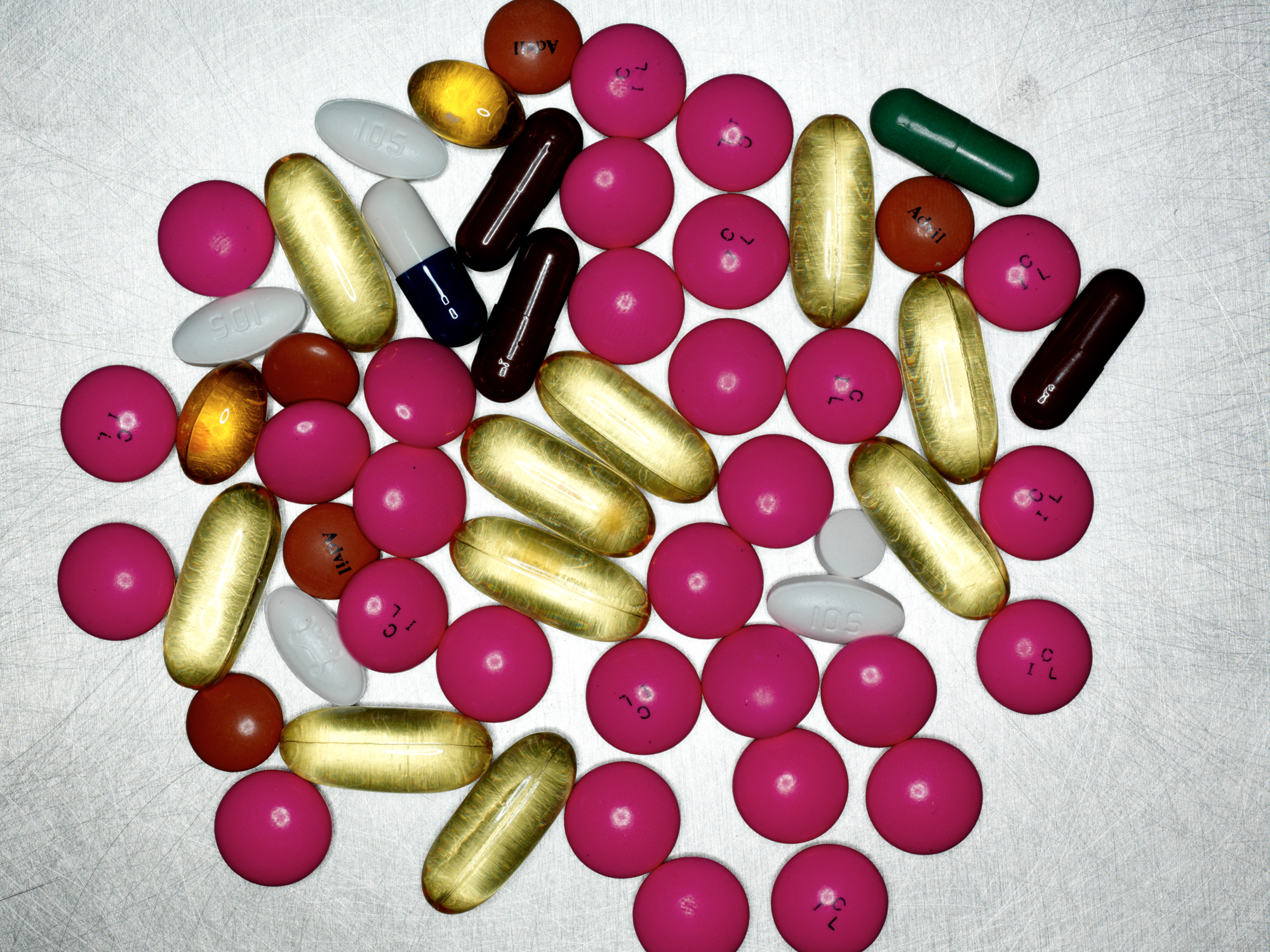
Cholesterol levels are influenced by liver function, nutrient availability, and metabolic processes. Specific B vitamins play a role in lipid metabolism, homocysteine regulation and cardiovascular health.
Vitamin B12 is vital for preventing anemia and is essential for energy metabolism. Niacin (B3) supports heart and brain health. Folate (B9) breaks down harmful homocysteine, an amino acid that can damage the cardiovascular system.
The B vitamins are also water-soluble, meaning your body won’t store them for very long, so you need to keep them coming. That’s why many people choose a B-complex containing the full spectrum: thiamine (B1), riboflavin (B2), niacin (B3), pantothenic Acid (B5), pyridoxine (B6), biotin (B7), folate (B9) and cobalamin (B12).
If the B vitamins aren’t on your radar, they should be. If you need one more reason why, I’ve got it for you…
Research suggests that supporting adequate B5 vitamin status may help maintain a healthy cholesterol balance in some individuals.
«SPONSORED»
Role of B Vitamins in Cholesterol Metabolism
B vitamins play a role in liver metabolism, energy production and the regulation of compounds involved in cardiovascular health. Research suggests that certain B vitamins may influence lipid processing and homocysteine balance, which are factors associated with cholesterol levels. Supporting adequate B vitamin intake may help maintain normal metabolic processes related to heart health.
In a 2011 study, researchers at the Princeton Longevity Center in New Jersey found that supplementing with pantethine, a derivative of vitamin B5, reduced both total and LDL cholesterol in people with low to moderate risk of heart disease.
As early as 1984, animal studies demonstrated that pantethine supplements reduced plasma total cholesterol levels by 64.7% compared to animals not receiving pantethine.
Vitamin B5 is also necessary to:
- Create red blood cells
- Maintain a healthy digestive tract
- Process other vitamins, particularly riboflavin
- Make sex-and stress-related hormones in the adrenal gland
Where to find vitamin B5 in your diet
Foods that are rich in vitamin B5 include:
- Broccoli
- White and sweet potatoes
- Whole-grain cereals
- Mushrooms
- Nuts
- Beans
- Lentils
- Meats
- Poultry
- Dairy
- Eggs
«SPONSORED»
The recommended daily amount of vitamin B5 is 5 mg. Symptoms of deficiency include:
- Headache
- Fatigue
- Irritability
- Impaired muscle coordination
- Gastrointestinal problems
You have options
The use of statin drugs to manage cholesterol isn’t cut-and-dry. For starters, statins are known to decrease Coenzyme Q10, which supports the immune and nervous systems and protects the heart muscle. They may induce mitochondrial dysfunction. They may also cause liver damage by triggering the overproduction of digestive enzymes.
But the most common reason some people give them up is statin-related muscle pain, which may be caused by calcium “leaks” that are thought to directly weaken the muscle or activate enzymes that degrade the muscle tissue.
Regardless of the cause, many people are unable to stay on statins, so options, like B vitamins and following a healthy lifestyle, including diet, can be helpful.
If you’d like to learn more about supporting healthier cholesterol levels, check out olive oil, nuts and bergamot extract.
However, it’s important to note that supplements are not a replacement for statins or medical care.
Editor’s note: What do you really know about stroke? The truth is, only 10% of stroke survivors recover almost completely, and all doctors can offer is what to do after a stroke occurs. That’s unacceptable considering 80% of strokes are preventable! Click here to discover how to escape The Stroke Syndrome: 5 Signs it’s Stalking You — Plus the Hidden Causes and Preventive Measures You’ve Never Heard About!
Sources:
- Pantethine, a derivative of vitamin B(5) used as a nutritional supplement, favorably alters low-density lipoprotein cholesterol metabolism in low- to moderate-cardiovascular risk North American subjects: a triple-blinded placebo and diet-controlled investigation — Nutrition Research
- Pantethine reduces plasma cholesterol and the severity of arterial lesions in experimental hypercholesterolemic rabbits — Atherosclerosis
- What is Vitamin B5 (Pantothenic Acid)? — LiveScience.com
- The Grave Dangers of Statin Drugs—and the Surprising Benefits of Cholesterol — Alliance for Natural Health – USA
- Cholesterol-Lowering Industry Still Worth More Than $19 Billion and Increasing — StatinNation.net

By Joyce Hollman

«SPONSORED»
