



Get Easy Health Digest™ in your inbox and don’t miss a thing when you subscribe today. Plus, get the free bonus report, Mother Nature’s Tips, Tricks and Remedies for Cholesterol, Blood Pressure & Blood Sugar as my way of saying welcome to the community!







Gut microbiome and aging: Can a younger microbiome help?
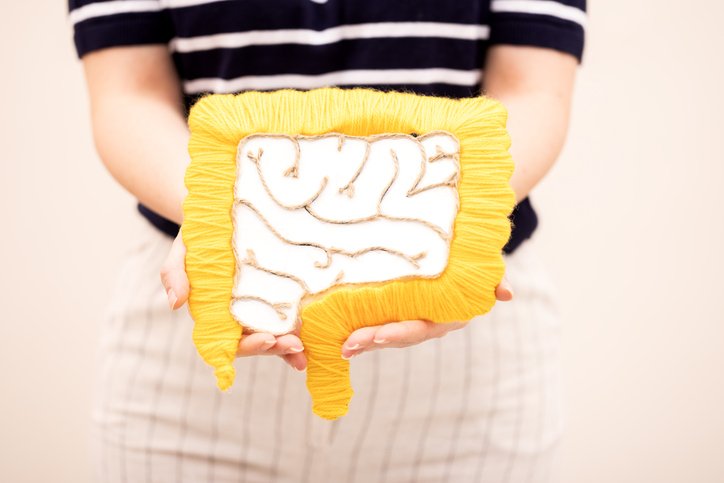
Your gut does a whole lot more than digest the food you eat. It can affect your overall health.
With age, however, the gut microbiome — the trillions of microbes that live primarily in the large intestine — changes. Emerging research suggests these shifts may influence how well the intestine repairs and renews itself.
That begs the question: Could maintaining a more “youthful” microbiome support intestinal regeneration and healthier aging?
«SPONSORED»
How aging affects intestinal stem cells
If you haven’t heard of stem cells before, they’re the body’s “master cells.” They can turn into other types of cells and are the building blocks of different tissues throughout the body.
The lining of the intestine renews itself every few days and relies on intestinal stem cells (ISCs) to do so. These specialized cells divide and mature to replace worn or damaged intestinal cells.
However, with age, ISC activity declines. This may contribute to:
- Slower tissue repair
- Reduced nutrient absorption
- Increased intestinal inflammation
Eventually, these factors may contribute to age-associated intestinal dysfunction, such as leaky gut syndrome. This is when the gut lining is damaged over time and unable to repair itself, allowing bacterial toxins to leak into the bloodstream and exert systemic effects.
Gut microbiome and aging impact stem cell function
A study by the International Society for Stem Cell Research, published in Stem Cell Reports, found that differences in gut microbiota composition between young and aged mice were closely linked to stem cell function.
Older mice exhibit significantly lower ISC activity compared to younger mice, resulting in diminished regenerative capacity following injury.
Conversely, when researchers transferred microbiota from young mice into older mice, they observed:
- Restoration of ISC activity
- Improved regenerative response after injury
- Reversal of certain age-associated cellular changes
These findings suggest that the gut microbiota may directly influence how well intestinal stem cells function during aging.
«SPONSORED»
The role of Akkermansia muciniphila
One surprising finding involved the bacterium Akkermansia muciniphila.
This microbe was present at higher levels in aged mice and appeared to suppress intestinal stem cell activity.
Interestingly, other research has linked Akkermansia muciniphila to metabolic benefits, including improved insulin sensitivity.
This highlights the importance of microbial diversity and balance in the gut microbiome, suggesting an intricate interplay among different bacterial types.
Practical ways to support a healthy gut microbiome
While it’s unrealistic to think we can “reset” our microbiome to a younger state overnight, lifestyle factors can help us work towards that goal. Healthy habits that can promote a healthy, self-renewing gut include:
- Eating a diverse, fiber-rich diet (vegetables, fruits, legumes, whole grains).
- Eating probiotic foods such as yogurt, kefir, or sauerkraut. These foods are fermented and contain live, beneficial bacteria. Probiotic supplements may also be an alternative.
- Limiting highly processed, fatty, and ultra-refined foods.
- Staying physically active.
- Managing stress and sleep.
Key takeaway
Emerging research suggests that age-related changes in the gut microbiome may influence intestinal stem cell function and tissue regeneration. If the findings are confirmed in human research, the gut microbiome may be a modifiable factor influencing intestinal aging. However, maintaining a diverse and balanced gut microbiota remains an important established cornerstone of healthy aging.
Editor’s note: Did you know that when you take your body from acid to alkaline you can boost your energy, lose weight, soothe digestion, avoid illness and achieve wellness? Click here to discover The Alkaline Secret to Ultimate Vitality and revive your life today!
Sources:
1. New Study Shows Gut Microbiota Directly Regulates Intestinal Stem Cell Aging — International Society for Stem Cell Research
2. Microbiota from young mice restore the function of aged ISCs — Stem Cell Reports
3. Aging and the Digestive System — Merck Manual

By Carolyn Gretton

«SPONSORED»
