



Get Easy Health Digest™ in your inbox and don’t miss a thing when you subscribe today. Plus, get the free bonus report, Mother Nature’s Tips, Tricks and Remedies for Cholesterol, Blood Pressure & Blood Sugar as my way of saying welcome to the community!





The warning your gums send about your kidneys
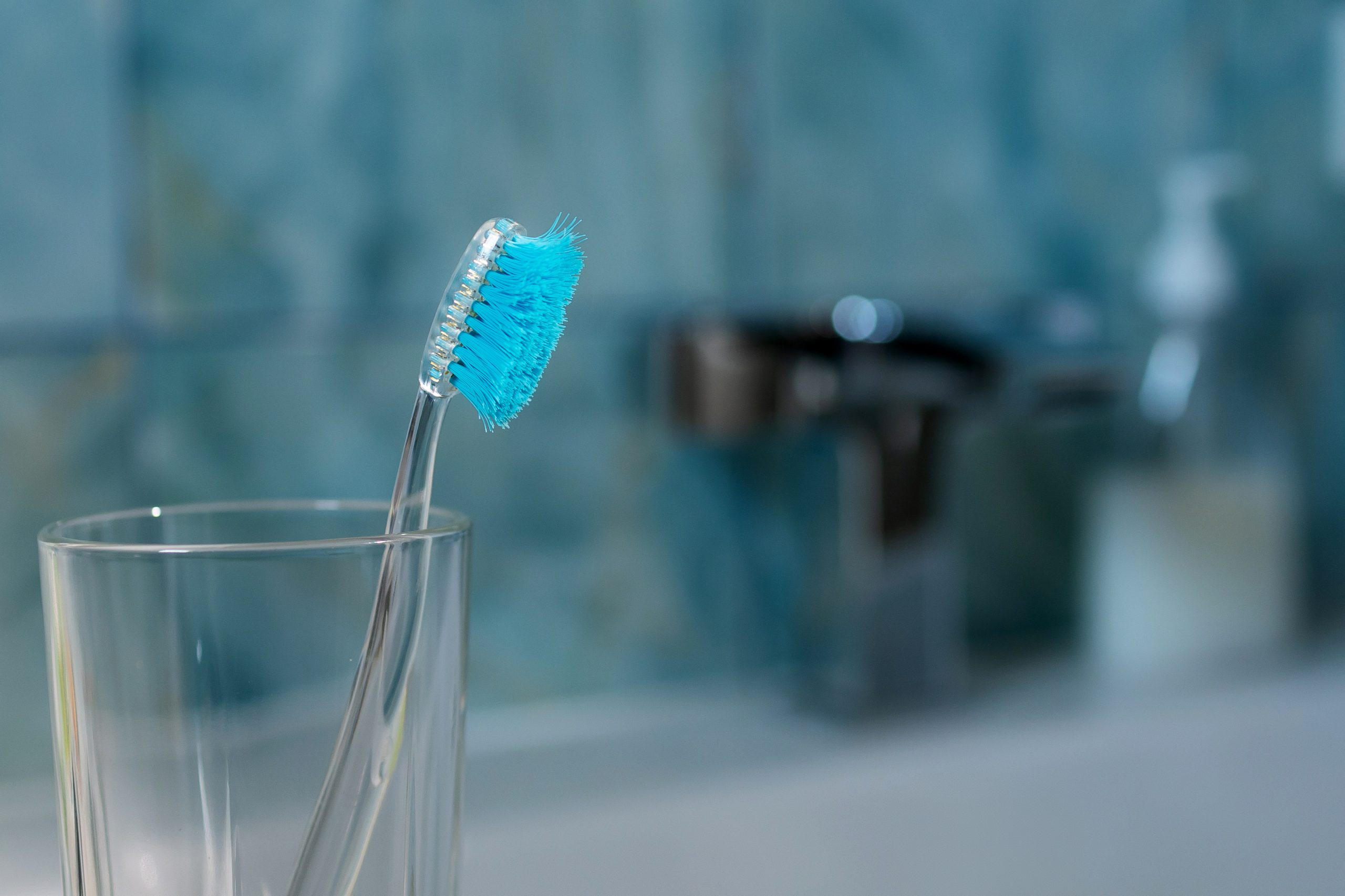
Your mouth and kidneys may be more connected than you think.
In fact, gum disease (periodontitis) and chronic kidney disease may fuel each other in a harmful cycle.
When gums stay inflamed, harmful oral bacteria and inflammatory compounds can enter the bloodstream, stressing blood vessels and adding to body-wide inflammation.
At the same time, chronic kidney disease can weaken immune defenses and keep the body in a low-grade inflammatory state, making gum disease harder to control.
That means protecting your gums may do more than preserve your teeth — it may also help reduce one source of inflammation tied to kidney problems.
How are gum disease and kidney disease connected?
Can gum disease affect kidney health?
Research suggests gum disease and chronic kidney disease may influence each other through inflammation, immune system changes, blood vessel damage and shifts in harmful bacteria. That means protecting your gums may also help support kidney health.
To take a deeper dive into the connection, a group of researchers at the University of Cincinnati conducted a review of evidence from more than 150 previously published papers, including observational studies, meta-analyses and interventional trials and identified growing evidence of oral-renal interactions.
Through their work, they found that inflammation in gum disease and chronic kidney disease (CKD) is indeed connected through a bidirectional network of immune, vascular, metabolic, and microbial pathways that reinforce each other in a vicious cycle.
In a nutshell, gum disease may contribute to:
- Chronic inflammation
- Harmful oral bacteria entering the bloodstream
- Blood vessel stress
- Oxidative stress
- Greater strain on kidney health
Chronic kidney disease may contribute to:
- Weaker immune defenses
- More inflammation throughout the body
- Faster progression of gum disease
- A harder time fighting oral infection

«SPONSORED»
Why inflammation links your gums and kidneys
In the mouth, when plaque builds up around teeth, the microbiome balance becomes disrupted, triggering the immune system to react and release inflammatory signals.
If this inflammation is long-term, bacteria and inflammatory molecules enter the bloodstream, spreading inflammation throughout the body. Over time, blood vessels become damaged, increasing oxidative stress and potentially contributing to kidney issues.
Chronic kidney disease also disrupts the immune system by building up toxins that weaken the power of immune cells to fight infection and keep the body in a constant low-level state of inflammation. As a result, periodontitis (gum disease) can progress more quickly.
How to protect your mouth… and the rest of your body
Keeping your oral microbiome balanced can affect the health of organs far removed from your mouth. Not only your kidneys but also your brain, your blood sugar and your stroke risk are all affected by the health of your mouth.
Practicing good oral health is, of course, the first step. Stick to the basics…
Brushing your teeth at least twice a day
Brushing your teeth can help prevent cavities, but it is also the most important factor in preventing gum disease.
According to Dr. David Okano, a periodontist with over 30 years of experience and an assistant professor at the University of Utah School of Dentistry, “Purely the mechanical action of the toothbrush bristles and your dental floss disrupts the dental plaque that ultimately leads to tooth decay and gum disease.”
He also adds that there is less potential for tooth decay using fluoride-containing toothpaste.
However, for people who prefer products without fluoride, neem-based toothpastes and mouthwashes offer antibacterial and anti-inflammatory benefits. Aloe soothes gum irritation by reducing swelling and promoting healing.
Flossing once daily
Take a piece of floss that’s about 18 inches long. Wrap each end around your middle fingers. Using your thumbs and forefingers, guide the floss between two teeth.
Wrap the floss snugly around one tooth in a C shape, then clean it with about 10 up-and-down strokes. Next, wrap the floss around the other tooth and repeat.

«SPONSORED»
Use mouthwash every day
Antibacterial mouthwash helps keep harmful oral bacteria at bay. In addition to washing away food and debris, it also reduces plaque buildup.
Prescription-strength chlorhexidine is recommended for an acute infection and is typically prescribed by a dentist. But over-the-counter options are available for daily use.
But a study in Frontiers in Oral Health from the Rutgers School of Dental Medicine found that a naturopathic mouthwash containing herbal ingredients could selectively target disease-causing bacteria while preserving the protective microbes that help maintain healthy gums and teeth.
Previous research has shown that chemical compounds in conventional mouthwash kill odor-causing bacteria but also destroy “good” mouth bacteria that are needed to form nitric oxide, a chemical compound that helps regulate insulin, dilate blood vessels and support your cardiovascular system.
Try matcha as a mouth-friendly drink
Researchers in Japan pitted a matcha solution against 16 oral bacterial species, including three P. gingivalis strains. The matcha mouthwash showed little activity against healthy strains of oral bacteria.
But within 2 hours, nearly all the cultured P. gingivalis cells had been killed. After four hours of exposure, all the gum disease-causing germs were dead.
Don’t skip yearly dental exams
Seeing your dentist regularly is important to catch any changes in your dental health.
Editor’s note: Do you know that poor gums and teeth are linked to the number one killer in America? Not to mention kidney disease… rheumatoid arthritis… Parkinson’s disease… depression… and so much more. Click here to discover America’s Hidden Dental Health Crisis: How to protect yourself and your family from this dangerous public health peril!
FAQ: Gum Disease and Kidney Health
Can gum disease affect your kidneys?
Research suggests gum disease may contribute to body-wide inflammation, blood vessel stress and immune changes that are also involved in chronic kidney disease.
Can kidney disease make gum disease worse?
Yes, chronic kidney disease can weaken immune defenses and keep the body in a low-grade inflammatory state, which may allow periodontitis to progress more quickly.
What is the best way to protect your gums?
Brush twice a day, floss once daily, use an appropriate mouthwash and keep up with regular dental exams.
Is mouthwash good for gum disease?
Antibacterial mouthwash may help reduce harmful oral bacteria and plaque, but some products can also affect beneficial bacteria. For active infection, a dentist may recommend prescription-strength chlorhexidine.
Can matcha help gum health?
Early research suggests matcha may help target bacteria linked to gum disease, but it should be viewed as a supportive habit, not a replacement for brushing, flossing or dental care.
Sources:
Bridging systems: oral-kidney connections – pathophysiological links, clinical implications, and health system integration – a narrative review — BMCC Nephrology
Clear link discovered between chronic kidney disease and periodontal disease — University of Cincinnati News
The Connection Between Oral and Kidney Health — Integrative Practitioner
Efficacy of a Herbal Toothpaste During Active Periodontal Treatment: A Clinical Study — Dental Journal
Herbal Mouthwash Targets Gum Germs While Letting Helpful Bacteria Flourish — Rutgers.edu

By Joyce Hollman



«SPONSORED»
