



Get Easy Health Digest™ in your inbox and don’t miss a thing when you subscribe today. Plus, get the free bonus report, Mother Nature’s Tips, Tricks and Remedies for Cholesterol, Blood Pressure & Blood Sugar as my way of saying welcome to the community!




Do statins cause diabetes?
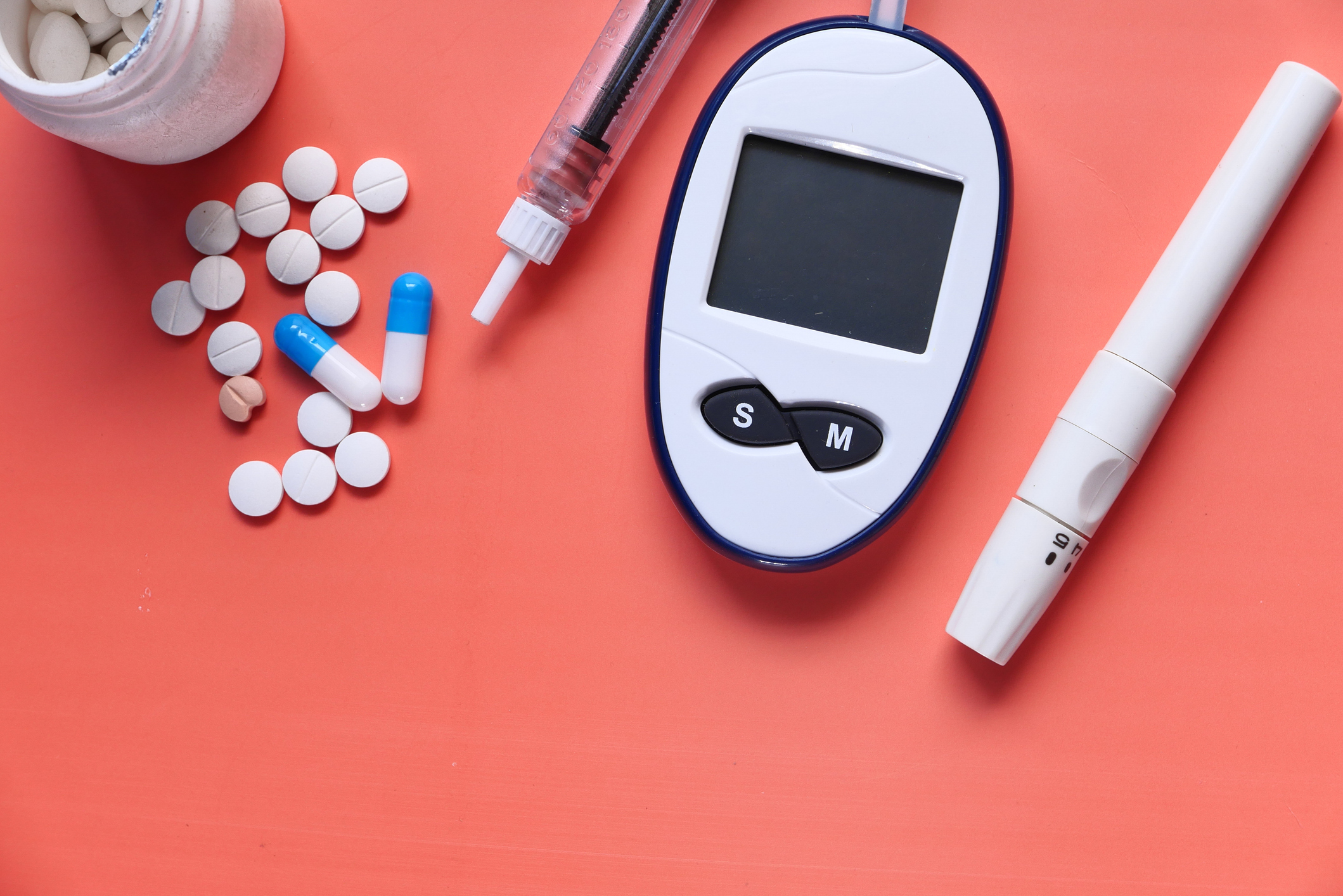
One of the most common worries I hear about statins is that they can cause diabetes.
It’s a fair concern, and unlike some statin fears, this one has real evidence behind it. Here’s what’s true, what it means and what to do about it.
Do statins cause diabetes?
Yes, modestly. A well-conducted study of nearly 9,000 non-diabetic men followed for six years found that those taking statins had a 46% higher risk of developing type 2 diabetes. The finding held even after accounting for age, weight, waist size, activity, smoking, alcohol, family history and other medications, and it was dose-dependent: the higher the dose, the higher the risk.
How big is that risk, really?
Smaller than the headline sounds. In that study, 7% of the men on statins developed diabetes over six years. Not zero, but not enormous, and a 46% relative increase on a modest baseline is only a modest absolute risk. The FDA found the signal consistent enough to add a diabetes warning to statin labels — but it’s a warning, not a guarantee.
Why do statins raise blood sugar?
The honest answer is we’re not entirely sure. Part of it may be that the people who need statins already share the risk factors for diabetes, since inactivity, extra weight and poor diet drive both. But even after correcting for those, an independent association remains, so the drug itself likely nudges blood sugar up. In many cases, a statin may simply accelerate a diagnosis in someone already heading toward diabetes.
«SPONSORED»
Should you stop your statin because of it?
No, not on your own, and usually not at all. For people with established heart disease or diabetes-level risk, statins clearly reduce heart attacks, strokes, and death, and that benefit outweighs the small diabetes risk. The group where this trade-off deserves more caution is people without known heart disease or diabetes being started on a statin, mainly for a number. There, jumping to a statin shouldn’t be taken lightly, and whether you need one at all is worth a careful conversation.
What are the big lessons from the statin-diabetes link?
- It took decades of statin use for us to appreciate that there was a link between use of these drugs and type 2 diabetes. Every drug has trade-offs. Some are seen early, some take many years of widespread use for us to realize that there may be unexpected consequences. This blog is obviously about statins, but the same consideration should be applied to GLP-1s.
- The diabetes risk is dose-related, which means the less medication you need to get your numbers to goal, the better. You need to look beyond drugs to attain your best health. They can help, but they are not the whole answer. When it comes to cholesterol, your most powerful weapon is nutrition.
- Just because your LDL looks amazing whatever you do, does not mean you should do whatever. High cholesterol and type 2 diabetes share multiple risk factors. A great cholesterol number is meaningless if the lifestyle factors that are driving your overall cardiometabolic risk are left unaddressed.
What should you do?
Lean on the lever that helps both problems at once: food. The same dietary changes that lower cholesterol also improve blood sugar and help prevent or even reverse type 2 diabetes. So eating well lets you reach your LDL goal on the lowest possible statin dose. For emphasis: masking cholesterol with a drug does nothing for the underlying metabolic problem.
If anything, being placed on a statin is a reason to be more intentional about lifestyle, not less. Step One Foods was built to make that easy, and if you’re on a statin, ask your doctor to keep an eye on your blood sugar.
Editor’s note: Are you feeling unusually tired? You may think this is normal aging, but the problem could be your master hormone. When it’s not working, your risk of age-related diseases skyrockets. To reset what many call “the trigger for all disease” and live better, longer, click here to discover The Insulin Factor: How to Repair Your Body’s Master Controller and Conquer Chronic Disease!

By Dr. Elizabeth Klodas MD, FACC

«SPONSORED»
