



Get Easy Health Digest™ in your inbox and don’t miss a thing when you subscribe today. Plus, get the free bonus report, Mother Nature’s Tips, Tricks and Remedies for Cholesterol, Blood Pressure & Blood Sugar as my way of saying welcome to the community!





Fresh isn’t always best: Nutrition secrets beyond the produce aisle
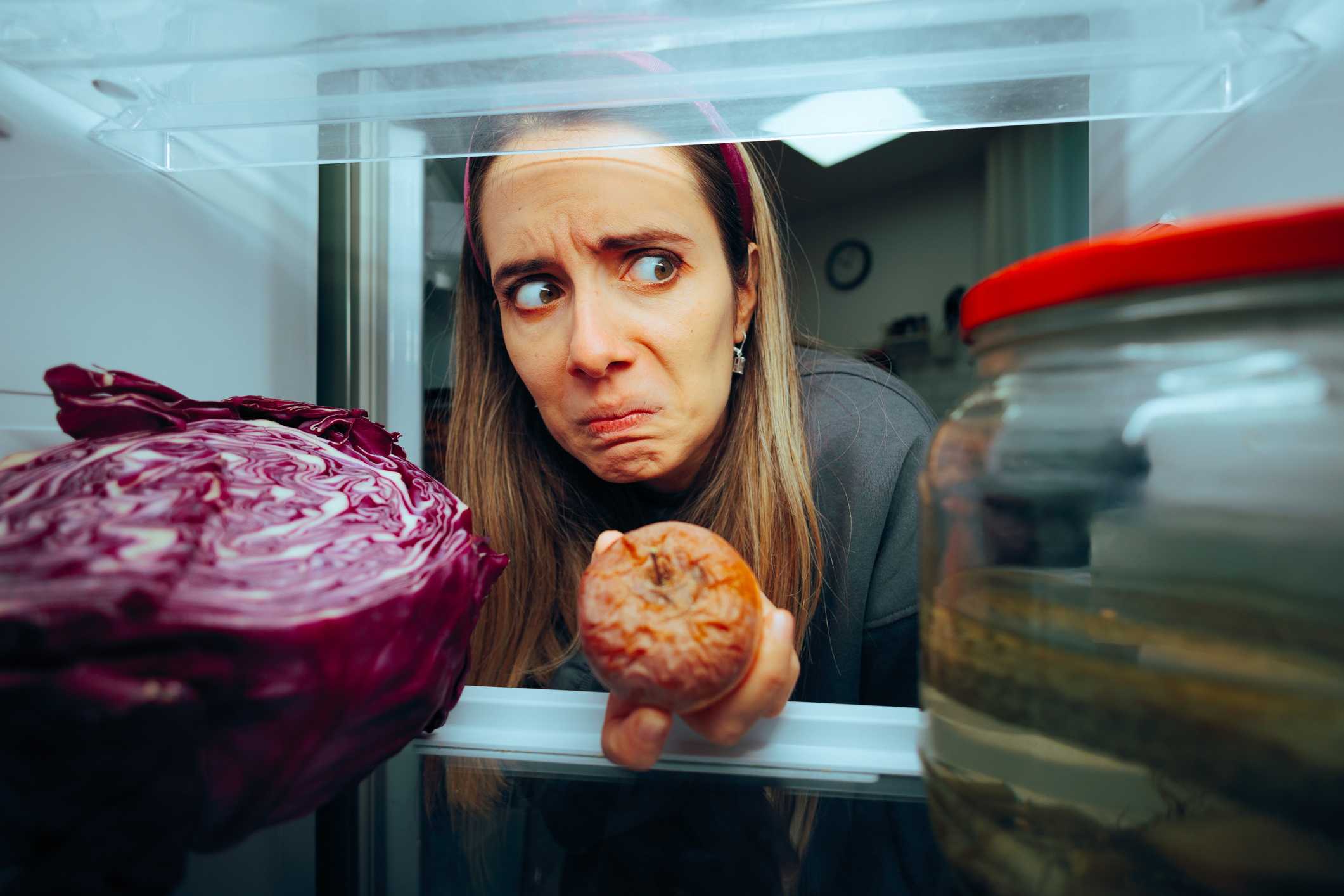
We’ve been trained to think fresh is always best — especially when it comes to the fruits and vegetables we eat.
But how many times have you bought fresh berries, spinach or broccoli with the best intentions, only to throw some away after it wilted or molded in the refrigerator?
That’s not just frustrating. It’s expensive. And it may be one reason so many people fall short on the fruits and vegetables they know they should be eating.
In fact, only about one in 10 American adults eats the recommended amount of fruits and vegetables.
That’s bad news because eating more fruits and vegetables contributes to better health, including a lower risk for heart problems.
But here’s the good news…
You don’t have to rely exclusively on fresh produce to get the health benefits.
Here’s why the freezer aisle deserves more respect…
«SPONSORED»
Why frozen produce holds onto its nutrients
The reason frozen produce can compete with fresh comes down largely to timing.
Fresh fruits and vegetables may travel long distances before reaching the grocery store. Then they spend more time in the produce section and, eventually, your refrigerator.
During that time, levels of certain nutrients can gradually decline.
Frozen produce, on the other hand, is generally picked near peak ripeness and frozen soon afterward. Freezing slows spoilage and helps preserve much of the food’s vitamins, minerals, fiber and protective plant compounds.
Research indicates that frozen and canned produce often retains nutrition comparable to fresh produce that has been stored in the refrigerator for several days.
That means frozen berries, peas, spinach and broccoli are not necessarily “second best.” They may be exactly what helps you keep nutritious foods available and eat them more consistently.
Despite this, researchers have found that shoppers still tend to view fresh produce as healthier than canned or frozen varieties.
That perception can prevent people from using affordable, convenient foods that could help them eat more fruits and vegetables while wasting less.
Make smarter choices in every aisle
The key is knowing what to look for.
Plain frozen fruit is one of the easiest options to keep on hand. You can add frozen berries or mango to smoothies, oatmeal, yogurt or healthy desserts.
Frozen vegetables are just as useful. Add frozen spinach to soup, peas to a stir-fry or broccoli to an omelet or casserole.
Canned foods can work well, too, provided you read the labels.
Choose canned vegetables labeled “no added salt” or “low sodium” when possible. Draining and rinsing canned beans and vegetables can also remove some of their sodium.
For canned fruit, look for varieties packed in water or juice rather than heavy syrup.
Nutrient levels can vary depending on the food and how it was processed. Canning may reduce some heat-sensitive nutrients, including vitamin C, while thawing and refreezing frozen produce can affect its texture and quality.
But overall, frozen and canned choices can still make important contributions to a healthy diet — and are often a smarter choice for your wallet.
«SPONSORED»
Another shelf-stable option: Freeze-dried nutrition
Freeze-dried berry powders and greens powders may not work on the dinner table, but they offer another convenient way to reap the concentrated nutrition of fruits and vegetables.
Freeze-drying removes water at low temperatures. Because the water has been removed, the resulting powder provides a concentrated source of nutrients and plant compounds by weight.
Research on freeze-dried wild blueberry powder has shown that it can provide concentrated polyphenols — protective plant compounds responsible for many of the benefits associated with berries.
Freeze-dried powders have a long shelf life, making them a convenient way to keep nutrients available.
Try adding them to:
- Smoothies
- Yogurt or oatmeal
- Chia pudding
- Protein shakes
- Muffin or pancake batter
Check the ingredient list before buying. Avoid added sugars, artificial colors or unnecessary fillers.
The bottom line
Fresh produce is still an excellent choice when it is available, affordable and likely to be eaten.
But frozen, canned and freeze-dried options can make nutritious foods easier to store and use, and may often be more affordable.
Instead of asking whether fresh is always best, it may be more helpful to ask a simpler question:
Which option will help you put more colorful plant foods into your body — and keep them out of the trash?
Editor’s note: Did you know that when you take your body from acid to alkaline you can boost your energy, lose weight, soothe digestion, avoid illness and achieve wellness? Click here to discover The Alkaline Secret to Ultimate Vitality and revive your life today!
Sources:
The Surprising Reason Frozen Fruit May Be Just As Nutritious as Fresh — SciTechDaily
Frozen fruit and canned veg are cheap, but are they as healthy as fresh food? — The Conversation
As good as fresh nutritionally but not perceived that way: Implicit and explicit biases towards canned and frozen fruits and vegetables — Food Quality and Preference
Vitamin Retention in Eight Fruits and Vegetables: A Comparison of Refrigerated and Frozen Storage — Journal of Agricultural and Food Chemistry
Changes in Polyphenolics during Storage of Products Prepared with Freeze-Dried Wild Blueberry Powder — Foods
Adults Meeting Fruit and Vegetable Intake Recommendations — CDC
Food Waste FAQs — USDA
FAQ: Getting the most nutrition from frozen and preserved produce
Are frozen fruits and vegetables as nutritious as fresh?
They often can be. Frozen produce is usually harvested near peak ripeness and frozen quickly, which helps preserve many vitamins, minerals, fiber and plant compounds. Fresh produce may gradually lose some nutrients during transportation and refrigerator storage.
Does freezing fruit destroy its vitamins?
Freezing generally preserves nutrients well, although levels vary by food. Thawing and refreezing can cause additional changes and may damage texture, so frozen produce should be kept consistently frozen until it is ready to be used.
Are canned fruits and vegetables healthy?
Yes. Canned produce can provide valuable vitamins, minerals and fiber. Choose vegetables with no added salt or lower sodium, and select canned fruit packed in water or juice rather than heavy syrup.
Does rinsing canned vegetables reduce sodium?
Draining and rinsing canned beans and vegetables can remove some sodium. Choosing no-added-salt or low-sodium varieties provides an additional way to limit sodium intake.
Is freeze-dried berry powder as healthy as whole berries?
Freeze-dried berry powder retains many of the fruit’s nutrients and polyphenols, but it is more concentrated because its water has been removed. Choose a product containing only fruit, and use a modest serving as an addition to a balanced diet rather than a complete replacement for whole fruit.

By Dr. Adria Schmedthorst

«SPONSORED»
