



Get Easy Health Digest™ in your inbox and don’t miss a thing when you subscribe today. Plus, get the free bonus report, Mother Nature’s Tips, Tricks and Remedies for Cholesterol, Blood Pressure & Blood Sugar as my way of saying welcome to the community!



A new verdict about dairy trans fats and heart health
You’ve probably spent years hearing that trans fats are among the worst things you can eat.
They raise bad cholesterol, lower good cholesterol and put your heart at risk. Avoiding them seemed like a straightforward decision.
But what if the warning left out an important distinction?
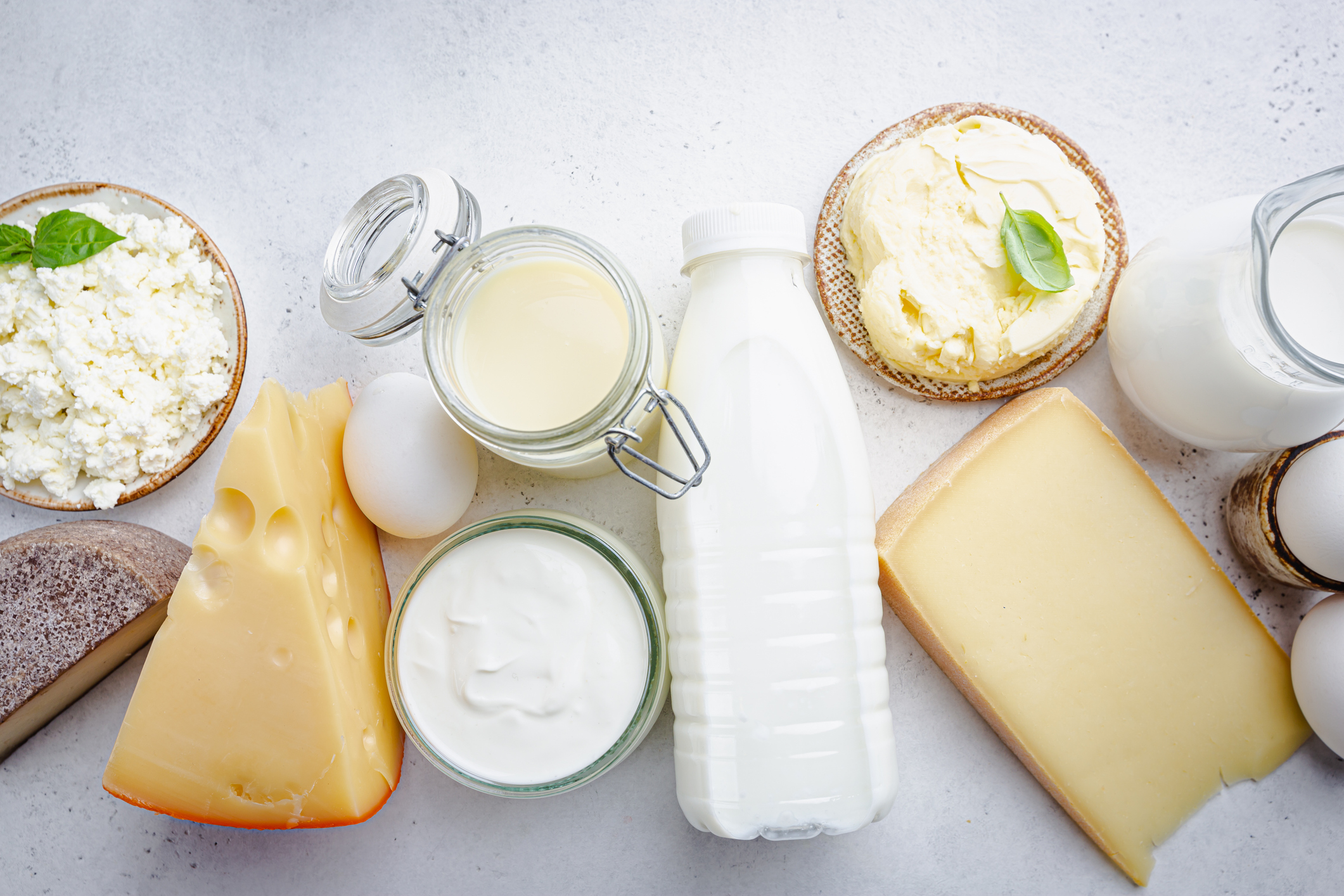
Not every trans fat comes from a factory. Some occur naturally in milk, cheese, yogurt and butter — foods people have eaten for generations.
Now, a major review suggests those natural trans fats don’t deserve the reputation earne industrial counterparts.
And earned if you enjoy cheese or a creamy bowl of yogurt, that’s news worth understanding.
Quick Answer
A review of 22 studies found that naturally occurring dairy trans fats were not linked to increased risks of heart disease, stroke, cardiovascular death or type 2 diabetes. Controlled trials also found no meaningful differences in blood lipid levels between people eatinwho atey enriched with natural trans fats and those eatinwho ateentional dairy. The findings challenge the assumption that all trans fats carry the same risks.
Same name, different fats
The trans fats that became notorious were largely produced through partial hydrogenation — a process that turns liquid vegetable oils into more solid, shelf-stable fats.
They were once common in shortening, margarine, baked goods and processed snacks.
But cows, sheep and goats produce trans fats naturally, thanks to bacteria in their digestive systems. Small amounts end up in their milk and the foods made from it.
That means your yogurt can contain trans fat without anyone partially hydrogenating anything.
The question is whether those naturally occurring fats cause the same problems.
Researchers from the University of Reading and their colleagues examined that question in a review published in Nutrition Research.
What happened when dairy trans fats were put to the test?
The researchers examined 10 controlled dietary trials comparing conventional dairy foods with dairy containing enhanced amounts of natural trans fats.
Participants consumed between 1.3 and 13.2 grams of trans fat daily.
Despite that range, the researchers found no meaningful differences in blood lipid levels between the groups.
Then they looked beyond blood tests.
Another 12 studies followed thousands of people over many years — some for more than two decades. These studies measured dairy trans fats in participants’ blood and tracked their health.
Higher levels were not associated with greater risks of:
- Heart disease
- Stroke
- Cardiovascular death
- Type 2 diabetes
That’s a very different picture from the well-established cardiovascular harm associated with industrial trans fats.
As study author Professor Ian Givens put it, “People hear the words ‘trans fats’ and assume the worst.”
His point: the natural trans fats in familiar dairy foods shouldn’t automatically be judged by the reputation of partially hydrogenated oils.
«SPONSORED»
Another reason to rethink dairy fat
This isn’t the first time dairy research has challenged a familiar warning.
We’ve previously reported on why low-fat dairy advice may not tell the whole story about heart health.
More recently, Carolyn Gretton covered a trial in which adults who ate full-fat dairy did not experience the weight and cholesterol changes many people would expect.
One possible explanation is that milk, yogurt and cheese contain much more than fat.
They deliver protein, calcium and other nutrients, arranged in a structure that can affect how the body digests and uses them. Researchers call this the “dairy matrix.”
Think about the difference between a bowl of plain yogurt and a pat of butter. They come from the same source, but what they offer your body is quite different.
That’s why judging a food by a single line on its nutrition label can miss so much.
What this means for your favorite dairy foods
The reassuring finding is that these studies did not uncover the harmful pattern you might expect from hearing “trans fat.”
That challenges current advice from organizations including the American Heart Association and World Health Organization, which still group natural and industrial trans fats together as harmful.
It doesn’t make butter, cheese and yogurt interchangeable, or settle every question about saturated fat. But it does give us a reason to question whether one warning adequately describes both kinds of trans fat.
For transparency, the review was funded by the National Dairy Council, and several authors have dairy-industry employment or funding relationships.
Enjoy dairy for what it brings to the table
I’m not surprised to hear that more research shows dairy is not the villain it’s been made out to be.
If dairy agrees with you, this news can help you enjoy it without worries.
Make plain yogurt taste like dessert. Add berries, cinnamon and chopped walnuts. You get sweetness, crunch and flavor while controlling how much sugar goes into the bowl. Plain kefir is another option; check flavored versions for added sugar.
Let cheese do more than top a cracker. Crumble it over roasted vegetables, add it to a bean salad or grate a flavorful variety over soup. Check sodium and portion size, but appreciate the protein and calcium it contributes.
Keep butter in perspective. Enjoy its flavor without relying on it for the nutrition you get from yogurt or milk.
Use your own health picture. If you’re working to lower elevated LDL cholesterol, your dairy choices should fit that plan. This research addresses natural trans fats, rather than declaring every dairy product equally suitable for everyone.
You don’t have to seek out more trans fat to benefit from these findings. You can simply stop assuming that the small amount of trans fat that occurs naturally in your yogurt or cheese tells the same story as the industrial fats we were warned to avoid.
Editor’s note: What do you really know about stroke? The truth is, only 10% of stroke survivors recover almost completely, and all doctors can offer is what to do after a stroke occurs. That’s unacceptable considering 80% of strokes are preventable! Click here to discover how to escape The Stroke Syndrome: 5 Signs it’s Stalking You — Plus the Hidden Causes and Preventive Measures You’ve Never Heard About!
Sources:
Natural trans fats in dairy do not raise heart disease risk — University of Reading
Fats in Foods — American Heart Association
Trans fat — World Health Organization
Frequently asked questions about dairy trans fats
Do dairy foods naturally contain trans fats?
Yes. Bacteria in the digestive systems of cows, sheep and goats produce trans fats naturally. Small amounts enter their milk and dairy products such as cheese, yogurt and butter.
How are natural trans fats different from industrial trans fats?
Natural trans fats form through bacterial activity in ruminant animals. Industrial trans fats are produced through processes such as partial hydrogenation of vegetable oils. Their relative proportions of individual trans fatty acids differ, and research suggests their health effects may differ too.
What did the review find about dairy trans fats and heart health?
The review found no meaningful adverse effects on blood lipid markers when dairy enriched with natural trans fats was compared with conventional dairy. Long-term studies also found no increased risk of heart disease, stroke, cardiovascular death or type 2 diabetes associated with higher blood levels of dairy trans fats.
Does this mean all full-fat dairy products are equally healthy?
No. Milk, yogurt, cheese and butter differ in protein, calcium, sodium and other nutrients. The review examined naturally occurring trans fats rather than establishing that every dairy product offers the same health benefits.
Should I avoid cheese and yogurt because they contain trans fats?
This review offers reassurance about their naturally occurring trans fats. Consider the whole food, including added sugar, sodium, saturated fat and serving size. If you’re managing elevated LDL cholesterol, choose dairy that fits your individual treatment and eating plan.

By Dr. Adria Schmedthorst

«SPONSORED»
