



Get Easy Health Digest™ in your inbox and don’t miss a thing when you subscribe today. Plus, get the free bonus report, Mother Nature’s Tips, Tricks and Remedies for Cholesterol, Blood Pressure & Blood Sugar as my way of saying welcome to the community!




Olive oil before carbs: The surprising GLP-1 connection
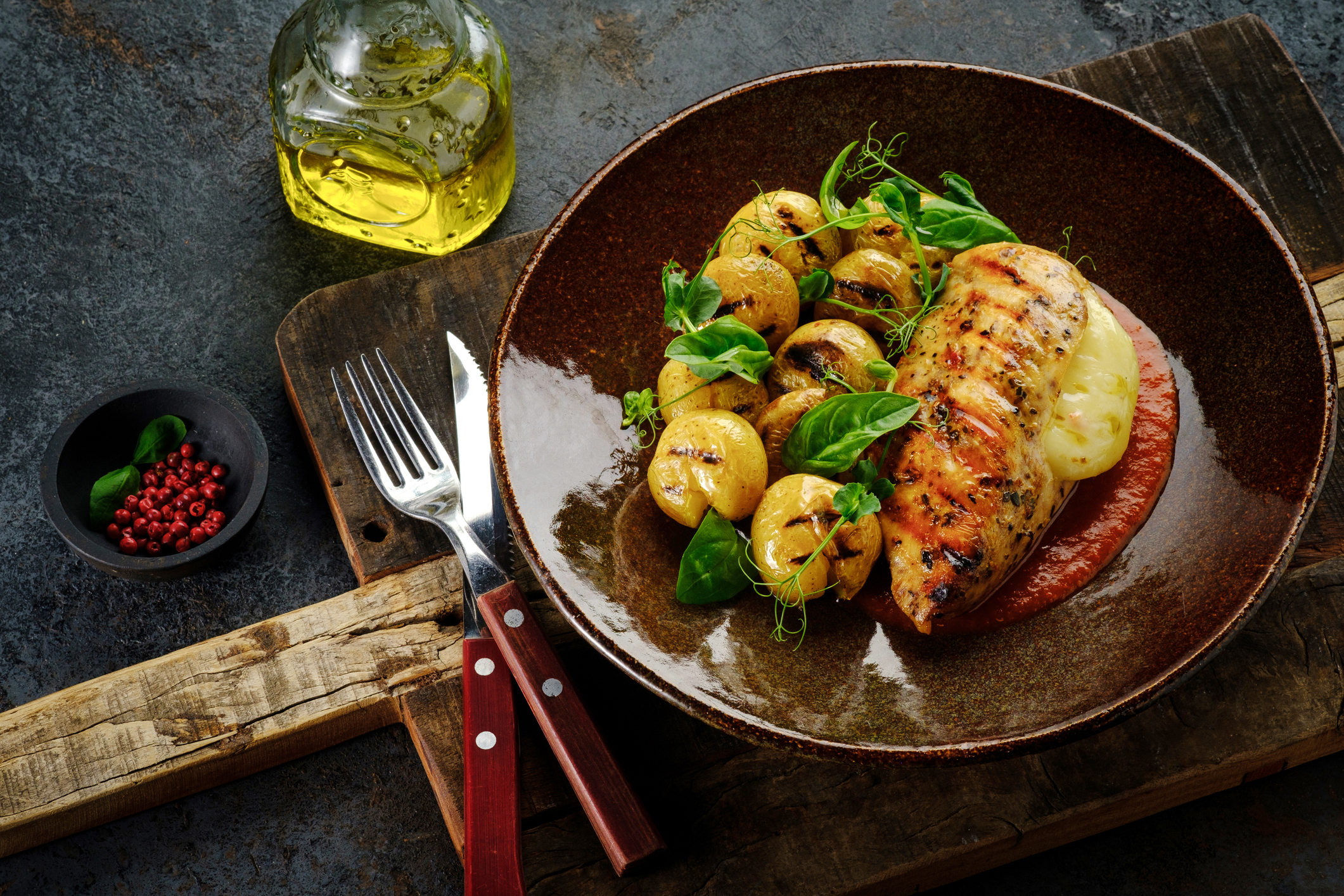
Picture your dinner plate: chicken, green beans and a helping of mashed potatoes. You know those potatoes can send blood sugar climbing, especially if you have diabetes or prediabetes.
But you don’t particularly want to spend the rest of your life arguing with every potato.
Here’s something that may make dinner a little easier: The order you eat your food could influence your blood sugar response. And a study involving olive oil offers a surprising look at the hormones involved — including GLP-1.
Quick Answer
Previous human studies suggest that eating vegetables, protein or fat before carbohydrates can help reduce after-meal blood sugar spikes. Separately, a mouse study found that giving olive oil before glucose reduced the early blood sugar rise, slowed stomach emptying and increased digestive hormones, including GLP-1. The findings reveal an intriguing connection between food order and the body’s blood sugar controls.
Why eating order deserves attention
When you eat carbohydrates, your digestive system breaks them down into sugars, including glucose, that enter your bloodstream.
How quickly that happens helps determine how sharply blood sugar rises.
That’s why the idea of changing food order is so appealing. Instead of beginning with bread, rice or potatoes, you start with vegetables and protein.
Previous clinical studies have found that eating vegetables, protein or fat before carbohydrates can help limit blood sugar increases after meals.
That suggests what’s on your plate isn’t the only factor worth considering. The sequence you eat it in can matter, too.
For anyone who knows how stressful diabetes meal planning can become, that’s welcome news. Dinner already comes with enough decisions.
What happened when olive oil came first
In the Kyoto University study, researchers tested three sequences after an overnight fast: water followed by glucose, olive oil followed by glucose 15 minutes later, and glucose followed by olive oil 15 minutes later.
The difference was clear.
Mice given olive oil first had a smaller early rise in blood sugar than mice given the oil afterward. The oil also slowed gastric emptying — the movement of stomach contents into the small intestine.
That meant glucose reached the intestine more slowly.
The researchers observed these effects even in mice with type 2 diabetes and severe insulin deficiency. That suggests the response can still operate when the body’s normal insulin regulation is significantly impaired.
These experiments tested olive oil and glucose in mice, rather than an ordinary dinner in people. But they revealed how digestive hormones and nerve signals can work together to influence the blood sugar response.

«SPONSORED»
The unexpected GLP-1 connection
Olive oil before glucose stimulated an early increase in several hormones, including GLP-1.
You probably recognize those letters from medications like Ozempic and Wegovy, which act on the GLP-1 pathway.
But GLP-1 is also a hormone your body makes. It helps regulate blood sugar and digestion — which makes the way food stimulates its release an interesting area of research.
We’ve previously reported on a fiber found in oats and barley being studied for its effects on this same hormone pathway.
The olive oil study uncovered another surprising participant: glucagon.
Glucagon usually raises blood sugar by signaling the liver to release stored glucose. Yet the experiments suggested that it also participated in the response to olive oil.
Blocking either GLP-1 or glucagon signaling alone left much of the benefit intact. Blocking both weakened it. Interrupting signals carried by the vagus nerve, which connects the digestive system and brain, also reduced the response.
The finding points to a coordinated conversation between the gut, pancreas and nervous system. GLP-1 was part of that conversation, but it wasn’t acting alone.
How to put meal order to work
The olive oil experiment doesn’t establish a reason to start swallowing spoonfuls before meals. However, previous studies have identified benefits associated with taking at least a half tablespoon a day.
But there are plenty of ways to add olive oil to a meal, like using it as the base of a dressing or drizzling it on meat and vegetables.
The most practical starting point comes from the human meal-order studies: Try eating familiar foods in a different sequence.
- Let vegetables lead. Begin with your salad, green beans, broccoli or other nonstarchy vegetables. If you enjoy olive oil dressing, this is a natural place for it.
- Eat protein before the starch. Have your fish, chicken, eggs or another protein-rich food before moving to the potatoes, rice or bread.
- Keep portions in the picture. Changing the order doesn’t make the amount of carbohydrate irrelevant.
- Watch your own response. If you already monitor glucose, your readings can help you and your care team assess how meal changes affect your numbers.
You don’t need to turn dinner into a stopwatch exercise. The mouse study’s 15-minute interval shouldn’t become a precise rule for people.
Rearrange dinner, don’t reinvent it
The useful message here is that you may have another way to influence after-meal blood sugar without rebuilding your entire menu.
Human studies support paying attention to meal order. The olive oil experiment adds insight into how fat consumed first can engage the body’s digestive and hormonal controls — mechanisms that still need to be confirmed in people.
It’s a promising reason to look beyond simply counting carbohydrates and consider when you eat them.
Let the vegetables lead. Save the carbs for later.
Editor’s Note: You’re invited to join a tiny handful of Americans who enjoy rare, fresh-pressed olive oil all year long. Take my word for it, there’s a difference in taste, quality and benefit! Click here to learn more…
Sources:
Eating olive oil before carbs has a surprising effect on blood sugar — Science Daily
FAQ: Olive oil, meal order and blood sugar
Can eating carbohydrates last help reduce blood sugar spikes?
Previous clinical studies have found that eating vegetables, protein or fat before carbohydrates can help limit blood sugar increases after meals. The approach changes the sequence of a meal rather than eliminating carbohydrate-containing foods.
How is olive oil connected to GLP-1?
In the mouse study, olive oil given before glucose stimulated an early increase in GLP-1 and other digestive hormones. It also slowed stomach emptying, delaying how quickly glucose reached the intestine.
Has taking olive oil before carbohydrates been proven to work in people?
The Kyoto University experiment tested olive oil before glucose in mice. Earlier human studies support meal sequencing more broadly, but this experiment did not establish that the same hormone and nerve mechanisms operate in people.
Should you wait 15 minutes before eating carbohydrates?
The mice received glucose 15 minutes after olive oil, but that timing does not establish a rule for people. A practical starting point is to eat vegetables and protein before moving to the starchy portion of your meal.
Do you need to drink olive oil before meals?
This study does not establish a human dose or a reason to drink olive oil before eating. If you enjoy olive oil, using it as a salad dressing offers a familiar way to include it with vegetables at the beginning of a meal.

By Dr. Adria Schmedthorst

«SPONSORED»
