



Get Easy Health Digest™ in your inbox and don’t miss a thing when you subscribe today. Plus, get the free bonus report, Mother Nature’s Tips, Tricks and Remedies for Cholesterol, Blood Pressure & Blood Sugar as my way of saying welcome to the community!





An ancient snack that reduces cholesterol and weight gain
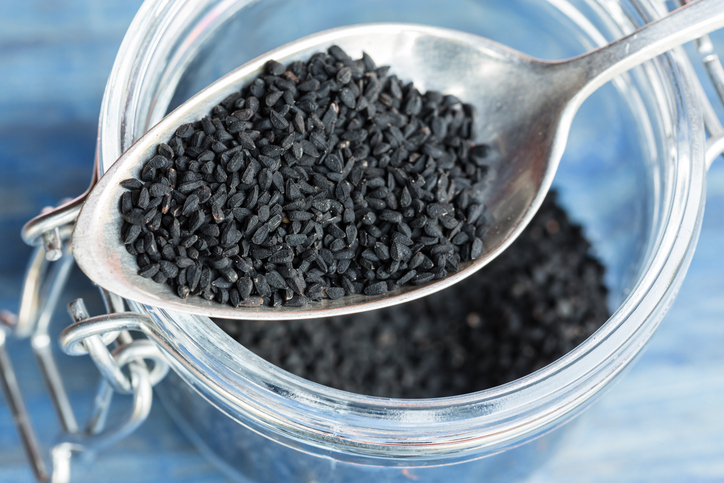
High cholesterol and obesity are two of the most common medical conditions, linking health risks from diabetes to heart disease.
And when they go hand-in-hand, it’s a double jeopardy scenario.
Now, however, a scientific breakthrough has finally discovered a compound that could help battle both issues in one fell swoop.
Here are the details…
Black cumin seed’s early beginnings
For centuries, the seeds of the Nigella Sativa plant (black cumin) have been used in traditional medicine to boost the immune system, balance blood sugar and even nourish the skin.
Not to mention, they add a delicious smoky flavor to breads, hummus and curries. So how did this tasty therapeutic seed get left out in the cold?
Like most ancient remedies, these seeds have taken a back seat to patented drugs that generate massive profits.
Treating metabolic conditions
An estimated 35% of Americans take statins, and they are the most profitable drugs of all time. If not for the side effects, including muscle pain, that number could be higher. About 40% of patients stop taking their statin within the first 6 months.
GLP-1 agonists are relatively new to the market but have quickly gained popularity. These drugs were first developed to treat type 2 diabetes, but now they are also approved for weight loss. However, the list of potential side effects for these drugs keeps growing.
Fortunately, researchers like food scientist Akiko Kojima-Yuasa are still looking to functional food for preventing obesity and lifestyle-related conditions, like black cumin seed…
«SPONSORED»
How black cumin seed may impact cholesterol
In a clinical trial at Osaka Metropolitan University in Japan, 22 participants consumed 5 grams of black cumin seed powder daily. Compared with a control group, participants who consumed the black cumin seed powder experienced a decrease in bad cholesterol and an increase in good cholesterol after just 8 weeks.
And guess what? These findings support previous studies that reported the same beneficial effect on cholesterol levels.
To top things off, the researchers think black cumin might even inhibit adipogenesis — the formation of mature fat cells — based on lab-grown cell experiments, by impacting key genetic regulators of the metabolic process.
What do the experts say
According to the scientists, the improvements black cumin offers could ultimately boost cardiovascular health, lower the risk of future heart problems and help with weight loss.
“It was so gratifying to see black cumin comprehensively demonstrate actual, demonstrable blood lipid-lowering effects in a human trial,” says Akiko Kojima-Yuasa.
“We hope to perform longer-term and larger-scale clinical trials to investigate the effects of black cumin on metabolism. We are particularly interested in investigating its effects on insulin resistance in diabetes and inflammatory markers.”
How to use black cumin seed
One of the best things about this ancient remedy? It’s easy to incorporate into your daily routine.
You can use black cumin seed:
- Sprinkled over salads, yogurt or oatmeal
- Mixed into smoothies
- Added to hummus, breads or savory dishes
- Taken as a cold-pressed oil or supplement
In studies, a common intake was about 5 grams per day of seed powder.
«SPONSORED»
What to know about black cumin seed oil
When the seed goes through cold-pressed extraction to produce oil, it typically retains its powerful bioactive nutrients, including:
- Phytosterols, known for their positive effects on cholesterol;
- Thymoquinone, which in previous research with animals was called “a valuable therapeutic compound to potentially alleviate diet-induced obesity…”
- And tocopherols, known for their antioxidant and anti-inflammatory potential.
A quick safety note
Black cumin seed is generally considered safe for most people when used in moderate amounts.
However, because it may have a lowering effect on:
- Blood sugar
- Blood pressure
- Cholesterol levels
You should speak with your healthcare provider before adding it — especially if you’re already taking medication for these conditions.
The bottom line
Modern medicine often treats high cholesterol and weight gain as separate problems.
But your body doesn’t work that way.
Ancient foods like black cumin seed remind us that sometimes the most effective solutions are those that support the whole system — not just one symptom.
And while it’s not a magic bullet, adding this powerful seed to your routine could be a simple step toward supporting metabolic and heart health.
Editor’s note: Are you feeling unusually tired? You may think this is normal aging, but the problem could be your master hormone. When it’s not working, your risk of age-related diseases skyrockets. To reset what many call “the trigger for all disease” and live better, longer, click here to discover The Insulin Factor: How to Repair Your Body’s Master Controller and Conquer Chronic Disease!
Black Cumin Seed (Nigella sativa) Confers Anti-Adipogenic Effects in 3T3-L1 Cellular Model and Lipid-Lowering Properties in Human Subjects – Food Science and Nutrition
Statin statistics 2025 – SingleCare
A Daily Sprinkle of Cumin Seeds Can Help Lower Cholesterol, Study Finds – Science Alert

By Virginia Tims-Lawson

«SPONSORED»
