



Get Easy Health Digest™ in your inbox and don’t miss a thing when you subscribe today. Plus, get the free bonus report, Mother Nature’s Tips, Tricks and Remedies for Cholesterol, Blood Pressure & Blood Sugar as my way of saying welcome to the community!







Microplastics appear to target men’s arteries
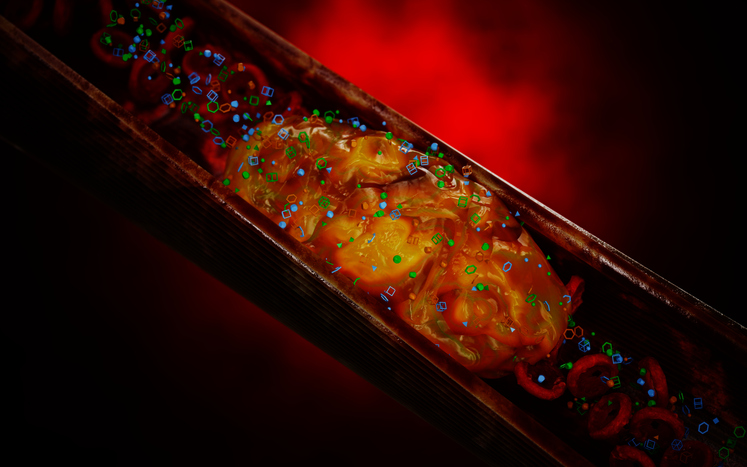
Microplastics are now everywhere — in our food, water and even the air we breathe.
Frighteningly, studies have confirmed that not only do these microplastic ‘magnets’ deliver poisons to your bloodstream, but they’ve also been linked to heart failure and found to build up in both blood clots and artery-clogging plaques.
Up until now, scientists considered them an equal opportunity threat.
However, that’s all changing. A biomedical team at the University of California has revealed research that implies microplastics do the most harm to male arteries…
«SPONSORED»
Dangerous levels of artery-clogging plaque
The research used a well-established mouse model for studying heart disease, feeding both male and female mice prone to atherosclerosis a low-fat, low-cholesterol diet, similar to a lean, healthy person’s diet.
Additionally, the mice were given a daily dose of microplastics (similar to what humans are exposed to from food and water) for nine weeks.
And the warning signs were clear…
The results showed that while microplastic exposure didn’t worsen plaque formation for females, for males, microplastics:
- Dramatically worsened atherosclerosis. Left untreated, this can result in heart attack, stroke and vascular dementia.
- Increased plaque buildup by 63% in the aortic root, the first section of the aorta that attaches to the heart. This increases the risk of serious complications such as aortic aneurysms, dissections, and reduced blood flow to vital organs.
- Resulted in a 624% increase in plaque in the brachiocephalic artery, a blood vessel that branches off the aorta in the upper chest. This can lead to dizziness, lightheadedness and weakness in the arms and can even mimic symptoms of a stroke.
«SPONSORED»
What microplastics do to male arteries
According to the study, the reason microplastics worsen plaque buildup and atherosclerosis is two-fold.
First, the researchers discovered that plastic particles enter, localize in and disrupt the activity of endothelial cells — the cells that line blood vessels and regulate inflammation and blood flow.
“We found endothelial cells were the most affected by microplastic exposure,” said lead researcher Changcheng Zhou. “Since endothelial cells are the first to encounter circulating microplastics, their dysfunction can initiate inflammation and plaque formation.”
Second, the scientists found that microplastics trigger harmful gene activity in both mouse and human endothelial cells, altering plaque formation at the genetic level. Their study showed that exposure to microplastics activates plaque-promoting genes in endothelial cells, supercharging atherosclerosis.
“Our study provides some of the strongest evidence so far that microplastics may directly contribute to cardiovascular disease, not just correlate with it,” Zhou said. “The surprising sex-specific effect — harming males but not females — could help researchers uncover protective factors or mechanisms that differ between men and women.”
It’s a difference the researchers say could be due to estrogen’s protective effect on women’s blood vessels.
«SPONSORED»
Guarding against microplastics
All of this means that men should take special care in trying to reduce their microplastic exposure to help protect their arteries from plaque.
Of course, this isn’t exactly easy considering that microplastics have become ubiquitous in our environment.
But there are still things you can do…
Avoid bottled water and opt for filtered water instead, using a reverse-osmosis system in your kitchen. You can also try this method developed by researchers in China, reported to remove up to 90% of microplastics.
Avoid using plastic containers or bags for storing or heating food. Use glass instead. Avoid takeout containers whenever possible, since they’re also loaded with plastic particles.
Certain foods can help your body purge microplastics to a degree. Try to get 2 or more servings of Brassica or cruciferous vegetables daily. The Functional Medicine University has suggested these foods “rev up the detoxification of plastics.”
Recent research also indicates that fruits and vegetables rich in anthocyanins are an emerging candidate against the hormonal dangers posed by microplastics.
Editor’s note: Have you heard of EDTA chelation therapy? It was developed originally to remove lead and other contaminants, including heavy metals, from the body. Its uses now run the gamut from varicose veins to circulation. Click here to discover Chelation: Natural Miracle for Protecting Your Heart and Enhancing Your Health!
Sources:
Microplastics hit male arteries hard — UC Riverside
Atherosclerosis of the Aorta — Yale Medicine
Brachiocephalic Arterial Insufficiency — UPMC
Atherosclerosis — Cleveland Clinic

By Dr. Adria Schmedthorst



«SPONSORED»
