



Get Easy Health Digest™ in your inbox and don’t miss a thing when you subscribe today. Plus, get the free bonus report, Mother Nature’s Tips, Tricks and Remedies for Cholesterol, Blood Pressure & Blood Sugar as my way of saying welcome to the community!








One simple swap dramatically lowers your risk for depression
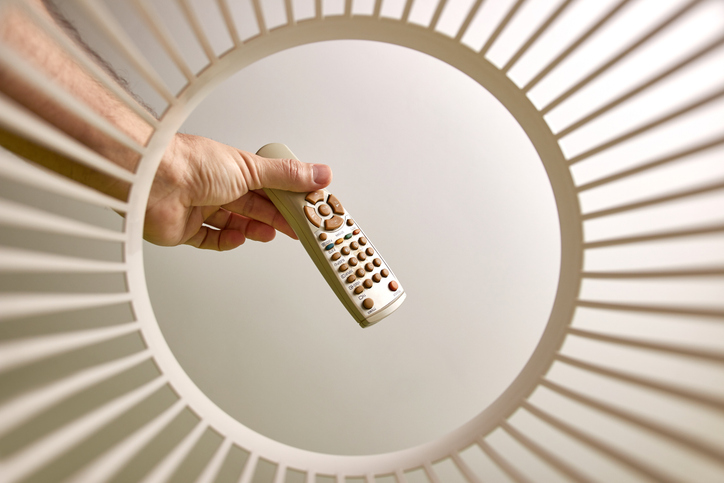
If you’ve ever had a rough day, you may have felt your mood plummet in a way that makes you wonder if you’re depressed.
But depression is more than just having an off day here and there. It’s a serious disease in which the brain stops registering pleasure.
More than 14.8 million Americans experience major depression, a disorder so severe that they often can’t get out of bed, be around their loved ones or participate in activities they usually enjoy.

«SPONSORED»
What’s more, the risk of depression rises as people get older, with those between the ages of 45 and 64 more likely to develop depression.
It’s true that many people with depression find medication helps relieve their symptoms. But an estimated 30 to 40% of people with depression or obsessive-compulsive disorder (OCD) don’t respond to these drugs.
It’s not clear if there’s any way to prevent depression. However, you can lower your risk of developing it — and it could be as simple as making one change to your daily routine…
Giving up TV to do other things reduces risk of depression
A team of Dutch researchers started with a large population of 65,454 adults who didn’t have depression at the start of the initiative, and followed them for four years.
They tracked how much time they spent on activities such as active commuting, leisure exercise, sports, household tasks, physical activity at work or school, watching TV and sleeping.
Previous research largely found links between sedentary lifestyles and depression. What makes this study different is that the researchers analyzed how swapping TV time (a sedentary activity) for other activities could influence depression risk.
And the findings were stunning…
- Reducing the amount of time spent watching TV by 60 minutes and reallocating that time to other activities decreased the likelihood of developing major depression by 11%.
- When the reallocation time was extended to 90 or 120 minutes, the risk of depression decreased by 26%.

«SPONSORED»
But the mental health benefits of reducing TV time were most remarkable in middle-aged adults:
- This group saw their risk of depression decrease by 19% when shifting one hour of daily TV time to other activities.
- Replacing 90 minutes of watching TV reduced their depression likelihood by 29%, while replacing two hours led to a staggering 43% drop.
Obviously, the more time spent on an alternative activity away from the TV, the greater the benefit — but not all activities were equally impactful…
Swapping 30 minutes of TV time for chores had a negligible impact. And I can’t say I find that surprising. However, replacing just 30 minutes of TV with other activities had a stronger impact…
- Sports reduced the risk of depression by 18%.
- Physical activity, at work or school, lowered risk by 10%.
- Sleep reduced the risk by 9%.
- Leisure or commuting activities reduced the risk by 8%.

«SPONSORED»
Older and younger adults experienced less of an impact
When looking at older adults and younger adults, the researchers found simply redistributing TV time to other daily activities didn’t significantly change depression rates.
Based on these results, though, if you’re approaching middle age, you may want to consider adopting a more active daily agenda to defend against depression.
Since sports seemed to show the greatest risk reduction, it may be worth your while to try a sport that suits you. A friend of mine recently took up pickleball, and she says it’s made a tremendous difference for her.
Ultimately, replacing TV time with an hour or so of physical activity is a good move not just for protecting against depression, but for overall health. After all, sitting is the new smoking, so anything you can do to get off the couch is worthwhile.
Editor’s note: Did you know that when you take your body from acid to alkaline you can boost your energy, lose weight, soothe digestion, avoid illness and achieve wellness? Click here to discover The Alkaline Secret to Ultimate Vitality and revive your life today!
Sources:
One simple daily change that could slash depression risk — ScienceDaily
Effects of substituting TV-watching time with physical activities or sleep on incident major depression. Results from the lifelines cohort study — European Psychiatry
Depression: What You Need to Know as You Age — Johns Hopkins Medicine
When Depression Meds Don’t Work, This May Help You Turn the Corner — University of California San Francisco

By Carolyn Gretton



«SPONSORED»
