



Get Easy Health Digest™ in your inbox and don’t miss a thing when you subscribe today. Plus, get the free bonus report, Mother Nature’s Tips, Tricks and Remedies for Cholesterol, Blood Pressure & Blood Sugar as my way of saying welcome to the community!





What vitamin C levels may reveal about your aging brain
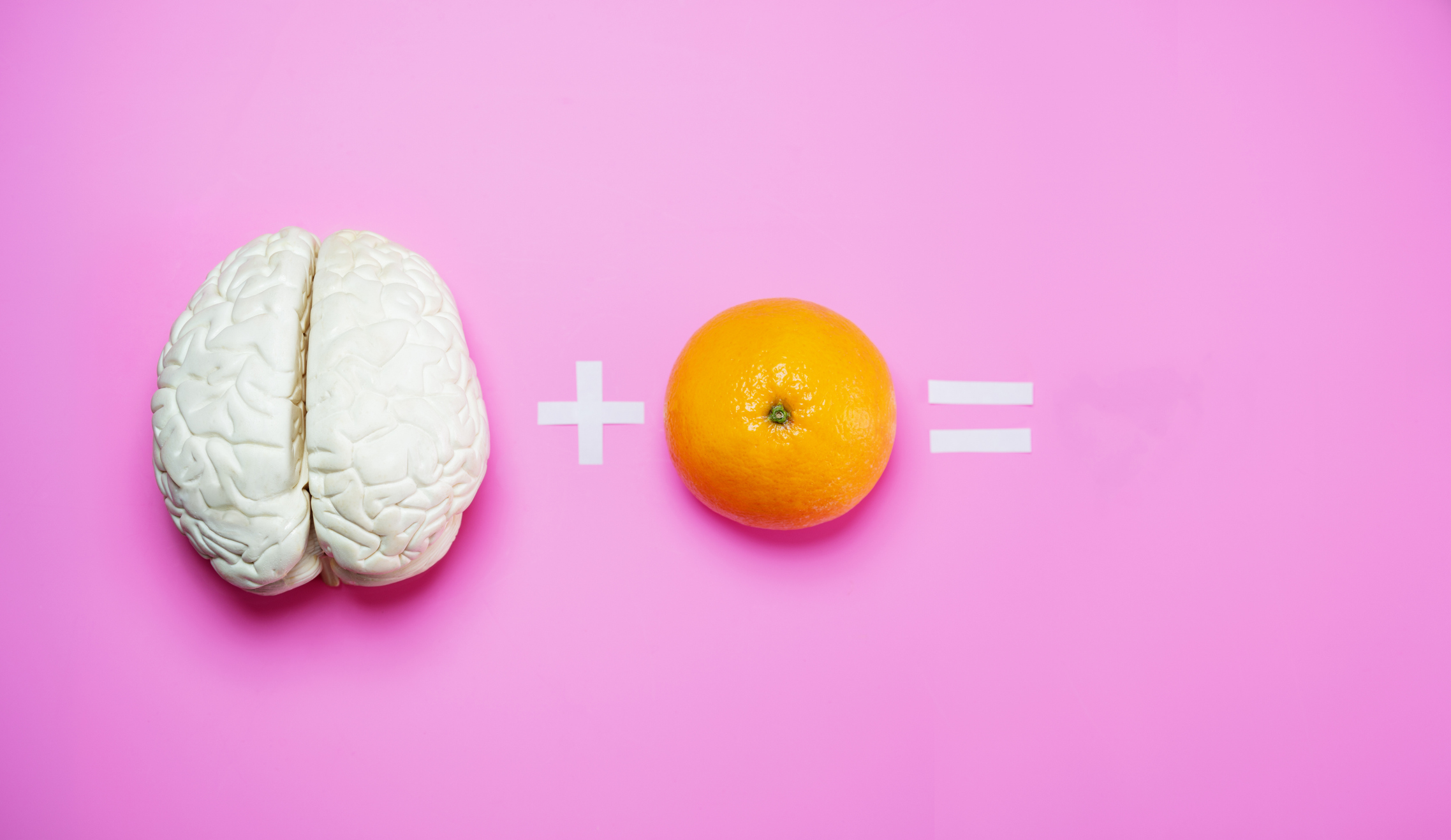
Most people think of vitamin C as an immune-support nutrient — something you reach for during cold and flu season.
It’s also become immensely popular for renewing aging skin.
But scientists are discovering that this familiar vitamin may have another important job.
A large study of older adults has linked vitamin C levels to supporting the physical structure and vital communication networks of the brain.
That strongly suggests that vitamin C plays an important role in maintaining brain health and cognitive function as we grow older.
Vitamin C linked to a healthier brain
Previous research has found that people who consume more vitamin C are less likely to experience cognitive impairment as they age.
But less was known about vitamin C’s impact on visible physical differences in the brain, such as brain size and the amount of gray and white matter.
Researchers at Hirosaki University’s Graduate School of Medicine investigated that question in two steps…
First, they analyzed the blood plasma levels of vitamin C from 2,044 Japanese adults over the age of 64. Then, they performed MRI brain scans on the participants.
The scans allowed researchers to measure the volume of gray and white matter in each participant’s brain while accounting for differences in total brain size.
They also examined structural connectivity within the default mode network, or DMN — a group of interconnected brain regions involved in attention, autobiographical memory and other important cognitive functions.
After adjusting for age, education, physical activity and other factors that can influence brain health, the researchers found a consistent pattern…
«SPONSORED»
People with lower plasma vitamin C levels tended to have less gray matter and weaker structural connectivity within the default mode network.
Gray matter contains many of the brain’s nerve cell bodies and plays a major role in memory, decision-making, movement and other everyday functions.
Meanwhile, maintaining strong connections within the DMN is important because this network supports the way different areas of the brain communicate and work together.
Why this vitamin C connection matters
“Our study demonstrates that higher plasma vitamin C levels are associated with better preserved structural connectivity of the default mode network (DMN), a key brain network involved in cognitive function,” said study author Tomohiro Shintaku.
“This finding generates the exciting hypothesis that a diet rich in vitamin C might play a supportive role in maintaining brain health and mitigating age-related cognitive decline in older adults.”
Shintaku said researchers detected subtle but significant associations between a single nutritional factor and large-scale brain networks in a community-based group of more than 2,000 older adults.
“It truly highlights the potential impact of our everyday dietary habits on our brain structures,” he said.
More than immune support
Vitamin C plays several roles that could be important to the brain.
As a powerful antioxidant, it helps defend cells against oxidative stress caused by unstable molecules known as free radicals.
The brain is especially vulnerable to oxidative damage because it uses large amounts of oxygen and contains high levels of fats that can be easily oxidized.
Vitamin C is also involved in producing neurotransmitters — chemical messengers that brain cells use to communicate.
And the brain actively maintains high concentrations of vitamin C, another indication that the nutrient has important work to do there. However, the body cannot store vitamin C, so getting adequate amounts daily is important.
These functions may help explain why lower vitamin C levels were associated with less gray matter and weaker structural brain connections.
«SPONSORED»
How to get more vitamin C in your diet
Your body cannot manufacture vitamin C, so it must come from your diet.
Fortunately, it is widely available in fruits and vegetables. Below is a list of those sources, including the vitamin C amount found in one cup:
- Orange – 51.1 mg per cup
- Strawberries – 89.4 mg per cup
- Pineapple – 96.7 mg per cup
- Kohlrabi – 83.7 mg per cup (and loaded with fiber!)
- Mango – 60.1 mg per cup
- Brussels sprouts – 125.8 mg per cup
- Guava – 125 mg per fruit
- Bell peppers – 118.4 mg/green pepper; yellow, red, and orange peppers have more than 160 mg in one pepper
- Papaya – 95.6 mg per fruit
- Broccoli – 81 mg per cup
- Tomato juice – 121 mg/cup
- Kale – 93.4 mg per 100-gram serving
- Cauliflower — 563.6 mg per large head
What about vitamin C supplements?
In the U.S., the recommended daily allowance is a baseline amount of 90 mg for men and 75 mg for women. But daily vitamin C supplements generally contain 500 mg to 1,000 mg per dose. The daily upper limit for vitamin C is 2,000 mg, and that includes intake from all sources.
Some experts suggest that daily intake of at least 200 to 250 mg is necessary to reach and maintain optimal levels, and any amount over that, once plasma concentrations are reached, is not well absorbed and likely excreted in urine.
Vitamin C may be far more important to the aging brain than many people realize — and maintaining optimal levels could help preserve brain structures and connections that support cognitive function.
Editor’s note: What do you really know about stroke? The truth is, only 10% of stroke survivors recover almost completely, and all doctors can offer is what to do after a stroke occurs. That’s unacceptable considering 80% of strokes are preventable! Click here to discover how to escape The Stroke Syndrome: 5 Signs it’s Stalking You — Plus the Hidden Causes and Preventive Measures You’ve Never Heard About!
Sources:
Plasma vitamin C levels are associated with brain structural networks on MRI: A large cohort study —PLOS One
Scientists discover a surprising link between vitamin C and brain health — Science Daily
Vitamin C — Linus Pauling Institute Micronutrient Information Center, Oregon State University
FAQ: Vitamin C and the aging brain
What did the study find about vitamin C and the brain?
Researchers found that older adults with higher plasma vitamin C levels had better-preserved structural connectivity within the default mode network, an important brain network involved in cognitive function. Lower vitamin C levels were also associated with less gray matter.
Why is vitamin C important for brain health?
Vitamin C acts as an antioxidant that helps protect brain cells from oxidative stress. It also supports the production of neurotransmitters and other processes the brain relies on for communication, memory and healthy function.
What are the best food sources of vitamin C?
Excellent sources include red bell peppers, oranges, grapefruit, strawberries, kiwi, guava, papaya, broccoli, Brussels sprouts, tomatoes, mustard greens, cantaloupe, pineapple and acerola cherries.
How can you maintain healthy vitamin C levels?
Eating vitamin C-rich fruits and vegetables regularly is the most practical approach. Including a variety of fresh, frozen, raw and lightly cooked produce can help support consistent intake because vitamin C can decline during prolonged storage and high-heat cooking.
Can a vitamin C supplement help maintain healthy levels?
Yes. A supplement can help if you do not regularly get enough vitamin C from food. Standard ascorbic acid is well absorbed, and moderate doses are generally sufficient for most people. The adult upper limit is 2,000 mg per day, since higher amounts can cause digestive upset.

By Joyce Hollman



«SPONSORED»
