



Get Easy Health Digest™ in your inbox and don’t miss a thing when you subscribe today. Plus, get the free bonus report, Mother Nature’s Tips, Tricks and Remedies for Cholesterol, Blood Pressure & Blood Sugar as my way of saying welcome to the community!





The metabolic link between microplastics and fatty liver
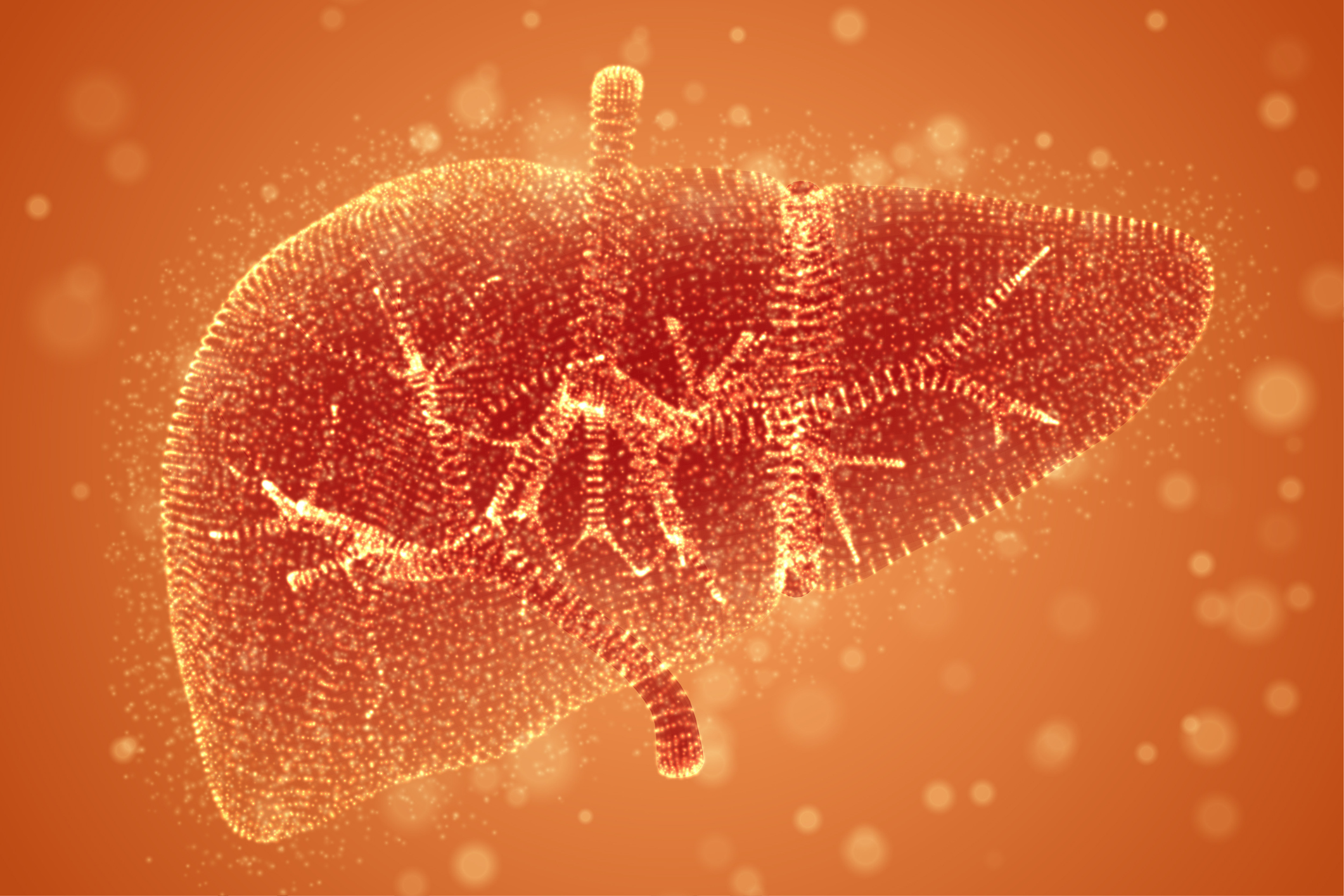
Your liver processes nutrients, regulates blood sugar and cholesterol, breaks down medications and helps remove potentially harmful substances.
But when excess fat builds up inside it, the liver can become inflamed and damaged.
Now research suggests microplastics may make that damage worse — especially when the liver is already under metabolic stress.
You may not be able to avoid microplastics completely. But reducing your exposure and improving your liver’s metabolic health can move you in the right direction. Here’s what you need to know…
Microplastics and an unhealthy diet spell danger
Microplastics are tiny particles shed as larger plastic products break down. They have been found in food, drinking water, household dust and human tissues.
A University of Oklahoma study focused on polyethylene, one of the most common plastics, used in grocery bags, milk jugs and food packaging.
Researchers gave equal amounts of microplastics to two groups of mice for eight weeks. One group ate a standard diet. The other consumed a high-fat, high-cholesterol diet designed to produce the metabolic stress and liver damage seen in metabolic dysfunction-associated steatohepatitis, or MASH — a serious form of fatty liver disease.
That distinction mattered.
Blood markers of liver injury were more than twice as high in mice exposed to microplastics while eating the MASH-promoting diet compared with mice given the same particles while eating a standard diet.
Researchers also found localized “hot spots” of inflammation and changes in biological pathways involved in fat metabolism and tissue repair.
In other words, microplastics appeared more damaging when they encountered a liver already struggling with excess fat, inflammation and impaired metabolic function.
That suggests an already-stressed liver may be especially vulnerable to microplastic exposure.
«SPONSORED»
What is fatty liver disease?
Fatty liver disease begins when excess fat accumulates inside liver cells, often as part of a broader pattern of metabolic dysfunction.
The condition now called metabolic dysfunction-associated steatotic liver disease, or MASLD, was previously known as nonalcoholic fatty liver disease.
It is closely associated with insulin resistance, type 2 diabetes, excess abdominal weight, high triglycerides and high blood pressure — the same metabolic problems that place the liver under chronic stress.
MASLD often causes no symptoms. But in some people, fat buildup progresses to inflammation and liver-cell injury, becoming MASH.
Over time, MASH can lead to fibrosis, cirrhosis and other serious liver complications.
That is why the new study is concerning: Microplastics may have a greater impact when metabolic problems have already created the conditions for fatty liver disease and inflammation.
How to protect your liver
Because microplastics are widespread, avoiding them completely is unrealistic. But improving your metabolic health may make your liver more resilient.
Important steps include:
- Maintain or work toward a healthy weight.
- Limit sugary drinks and snacks, refined carbohydrates and highly processed foods.
- Eat more vegetables, whole fruits, beans, nuts and whole grains.
- Add foods that contain inulin fiber, such as onion, leeks, garlic, asparagus, and slightly green bananas.
- Choose healthy fats from fish, olive oil, nuts and avocados.
- Exercise regularly, including aerobic activity and strength training.
- Address high blood sugar, triglycerides and blood pressure.
- Limit alcohol, especially if you already have fatty liver disease.
Since fatty liver can remain silent for years, ask your healthcare provider whether screening makes sense if you have diabetes, insulin resistance, excess abdominal weight or other metabolic risks. Also ask to have your vitamin B12 levels checked.
Helping your body expel microplastics
Researchers are investigating whether dietary fiber can help keep some ingested microplastics from entering the body.
Certain fibers may bind to plastic particles or make it harder for them to cross the intestinal wall, allowing more to leave through stool.
In one animal study, rats given an indigestible fiber called chitosan excreted significantly more microplastics. This has not yet been proven in people, however, and not every type of fiber appears to work the same way.
Still, eating more fiber is a sensible step. It supports healthy gut bacteria, blood sugar control, weight management and the metabolic health that protects the liver.
Good sources include beans, lentils, vegetables, berries, apples, pears, nuts, seeds and whole grains.
«SPONSORED»
Ways to reduce microplastic exposure
You cannot eliminate microplastics, but you can reduce unnecessary exposure:
- Use glass or ceramic for microwaving and avoid putting very hot food or drinks into plastic containers.
- Replace scratched, cracked or cloudy plastic containers.
- Limit bottled water. Use a reusable glass or stainless-steel bottle filled with filtered tap water when practical.
- Consider boiling and straining drinking water. In one study, boiling hard tap water caused calcium carbonate deposits to trap tiny plastic particles. After cooling and filtering, the water contained up to 90 percent fewer microplastics and nanoplastics. The method removed about 25% from soft water.
- Consider a properly maintained drinking-water filter designed to remove very small particles, including reverse osmosis.
Protect what you can control
This study raises the possibility that microplastics may be more damaging when they meet a liver already burdened by excess fat, inflammation and poor metabolic health.
That means the number one thing to do is promote liver health. Then work on avoiding the microplastic culprits.
You may not be able to avoid every particle. But you can reduce unnecessary exposure, eat more fiber and protect the metabolic health your liver depends on.
Editor’s note: Are you feeling unusually tired? You may think this is normal aging, but the problem could be your master hormone. When it’s not working, your risk of age-related diseases skyrockets. To reset what many call “the trigger for all disease” and live better, longer, click here to discover The Insulin Factor: How to Repair Your Body’s Master Controller and Conquer Chronic Disease!
Sources:
Spatial transcriptome mapping identifies Ppara-Anxa2 cross-talk in microplastic-induced hepatotoxicity — Science Advances
Microplastics may worsen fatty liver disease, new study suggests — Eureka Alert
Fighting microplastics: The role of dietary fibers in protecting health — Food Frontiers
FAQ: Microplastics, fatty liver and metabolic health
Can microplastics cause fatty liver disease?
The study did not show that microplastics caused fatty liver disease. It found that microplastics produced greater liver injury in mice eating a diet designed to create the metabolic stress and liver damage associated with MASH, a serious form of fatty liver disease.
What is metabolic dysfunction-associated steatotic liver disease?
Metabolic dysfunction-associated steatotic liver disease, or MASLD, occurs when excess fat builds up in the liver in connection with metabolic problems such as insulin resistance, type 2 diabetes, excess abdominal weight, high triglycerides and high blood pressure. It was previously called nonalcoholic fatty liver disease (NFLD).
What is the difference between MASLD and MASH?
MASLD refers to excess fat accumulating in the liver. MASH is the more serious form in which fat buildup is accompanied by inflammation and liver-cell damage. MASH can eventually lead to liver scarring, cirrhosis and other complications.
Can dietary fiber help remove microplastics?
Early animal research suggests certain indigestible fibers may bind to microplastics in the digestive tract and increase their removal through stool. This has not yet been confirmed in people, and researchers do not know whether all types of dietary fiber have the same effect.
How can you reduce your exposure to microplastics?
You can reduce unnecessary exposure by avoiding heating food in plastic, replacing damaged plastic containers, using glass or stainless steel when practical, limiting bottled water and using an appropriate drinking-water filter. Research also suggests that boiling and straining hard tap water may remove some microplastics and nanoplastics.

By Joyce Hollman

«SPONSORED»
