



Get Easy Health Digest™ in your inbox and don’t miss a thing when you subscribe today. Plus, get the free bonus report, Mother Nature’s Tips, Tricks and Remedies for Cholesterol, Blood Pressure & Blood Sugar as my way of saying welcome to the community!




How gum disease could harden your heart valves
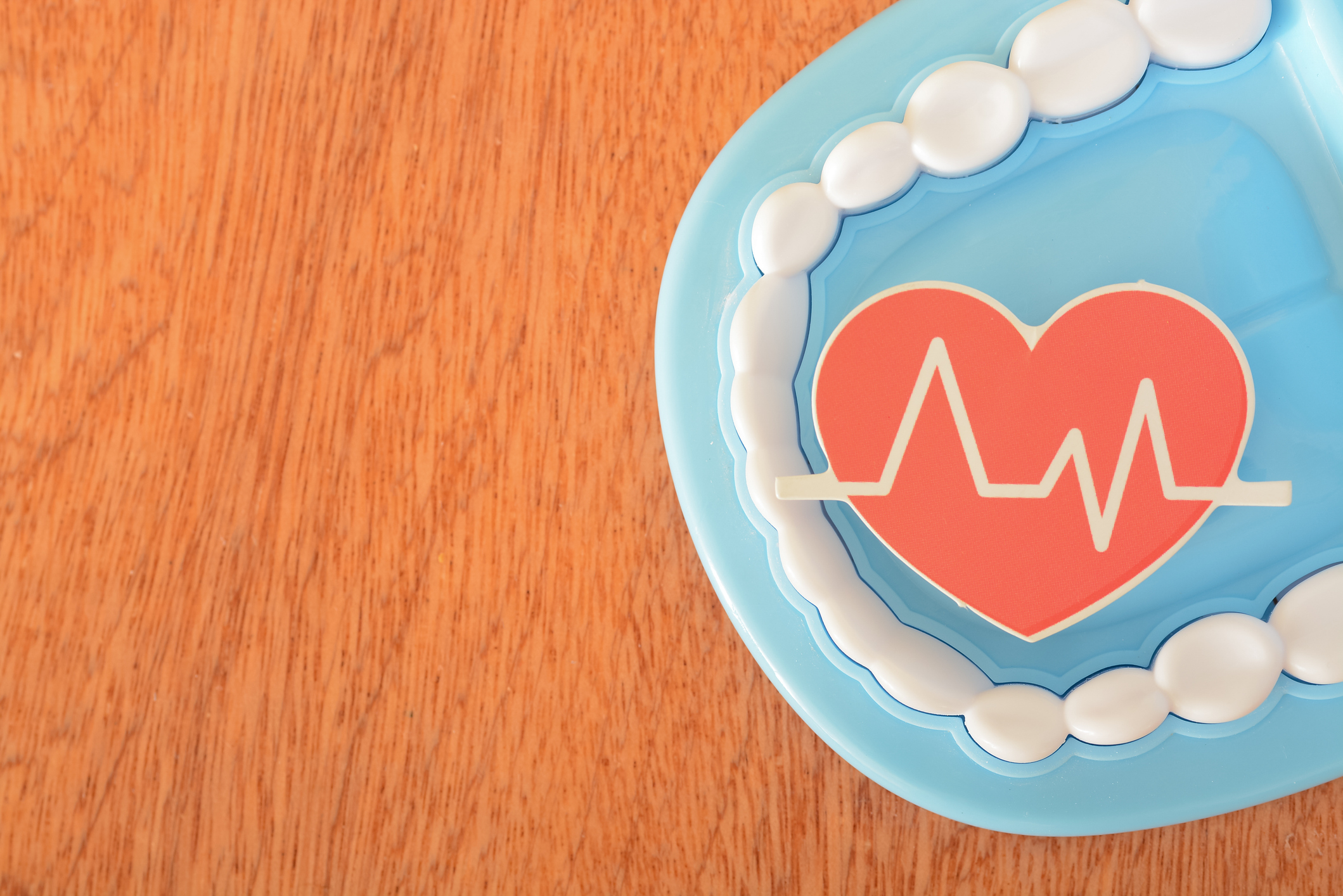
Most of us think of gum disease as a problem confined to the mouth. Bleeding gums may seem to mean nothing more than we need to brush and floss more thoroughly.
But your mouth isn’t sealed off from the rest of your body. It’s more like a front door to your digestive tract, bloodstream and immune system.
So when harmful bacteria take hold in your gums and trigger chronic inflammation, the damage may not stop at your smile.
Researchers are now warning that one of the most destructive bacteria involved in gum disease may help drive a serious heart condition that hardens the valves your heart depends on to keep blood moving.
And since there are currently no medications proven to prevent or slow this condition, protecting your gums may be more important than most people realize.
Gum bacteria may trigger valve calcification
The new research, presented at the American Heart Association’s Basic Cardiovascular Sciences Scientific Sessions, focused on a gum disease bacterium called Porphyromonas gingivalis, or P. gingivalis.
This bacterium plays a major role in periodontitis, the advanced form of gum disease that inflames and destroys the tissues supporting your teeth.
Now preliminary research suggests it may also contribute to a life-threatening condition known as calcific aortic valve stenosis, or CAVS.
CAVS occurs when the aortic valve — which helps move blood from your heart to the rest of your body — becomes thickened and calcified. As the valve stiffens, its opening narrows and the heart must work harder to pump blood.

«SPONSORED»
You may not notice symptoms during the early stages. But as CAVS progresses, it can cause fatigue, chest pain, shortness of breath, fainting, heart failure and premature death.
Once the calcification becomes severe, the standard treatment is valve replacement, which may require open-heart surgery.
That’s why the study’s findings matter.
Bacteria buildup and inflammatory signaling
Researchers examined human valve tissue removed during surgery and found P. gingivalis was much more prevalent in calcified aortic valves than in valves from people with other valve diseases.
They then tested the connection in mice.
In mice, repeated exposure to live P. gingivalis caused bacteria to accumulate in the aortic valves, along with increased valve calcification and signs of aortic stenosis.
Preventive antibiotic treatment that eliminated the bacteria reduced these effects.
That does not mean antibiotics are currently recommended to prevent aortic stenosis. The researchers say it is still too early to recommend any specific treatment based on these findings.
The researchers also found that P. gingivalis activated an inflammatory pathway involving interleukin-1 beta, or IL-1β, a protein produced largely by immune cells.
In other words, gum disease bacteria appeared to ignite an inflammatory response that pushed the heart valve toward dangerous calcium buildup.
This adds to growing evidence that oral health and heart health are deeply connected — and gives us one more reason not to dismiss bleeding gums as a minor nuisance.
“The key message is simple: take good care of your oral health,” said study co-lead author Chenyang Li, M.D., Ph.D. “Good oral hygiene and treatment of periodontal disease are important for overall health and may also have benefits for cardiovascular health.”
The findings have not yet been confirmed in people, and the researchers have begun a clinical study to investigate the connection further.
A three-step approach to a healthier mouth and valves
Although this research is preliminary, its practical message is straightforward: Protecting your gums may also help protect your cardiovascular health.
1. Take gum disease seriously
The basics include:
- See your dentist regularly for cleanings and periodontal evaluations.
- Brush twice daily with a soft-bristled toothbrush.
- Floss daily or use interdental brushes.
- Don’t ignore bleeding, tenderness, persistent bad breath or loose teeth.
- Treat gum disease early and follow through with recommended care.
- Stop smoking or vaping, since tobacco exposure worsens gum and cardiovascular risk.
- Keep blood sugar under control, since diabetes raises the risk of both gum disease and cardiovascular problems.
«SPONSORED»
2. Support healthy calcium balance
Next, consider whether you’re getting enough vitamin K2, particularly the form known as MK-7.
Emerging evidence from animal and clinical studies has associated low K2 levels with calcification.
Vitamin K helps activate proteins involved in controlling where calcium is deposited.
One of the most important is matrix Gla protein, or MGP, which helps inhibit calcium buildup in blood vessels and other soft tissues.
But MGP must be activated before it can do its job — and vitamin K helps make that possible.
Foods that provide vitamin K2 include natto, certain cheeses, egg yolks, natto and other fermented foods. MK-7 is the longer-lasting form found most abundantly in natto and is also available in supplements.
One caution: If you take warfarin or another vitamin K-sensitive blood thinner, speak with your doctor before changing your vitamin K intake or taking a K2 supplement.
3. Help your body resolve inflammation
Lastly, support your body’s ability to bring inflammation under control.
Omega-3 fatty acids found in oily fish, including salmon, sardines and mackerel, support the production of specialized compounds that help resolve inflammation rather than allowing it to linger.
Research has also connected omega-3 intake with healthier periodontal tissues and a better-controlled inflammatory response in people with gum disease.
None of these steps can guarantee that you’ll avoid aortic valve stenosis. But caring for your gums, supporting healthy calcium regulation and helping your body resolve inflammation are worthwhile ways to protect both oral and cardiovascular health.
Editor’s note: Do you know that poor gums and teeth are linked to the number one killer in America? Not to mention kidney disease… rheumatoid arthritis… Parkinson’s disease… depression… and so much more. Click here to discover America’s Hidden Dental Health Crisis: How to protect yourself and your family from this dangerous public health peril!
Sources:
Bacteria from gum disease may cause inflammation, harden heart valves — American Heart Association
Aortic Valve Stenosis — American Heart Association
Oral Health — American Heart Association
Gum disease may be linked to plaque buildup in arteries, higher risk of major CVD events — American Heart Association
Vitamin K Fact Sheet for Health Professionals — NIH Office of Dietary Supplements
Is Matrix Gla Protein Associated with Vascular Calcification? A Systematic Review — Nutrients
FAQ: Gum disease and heart valve calcification
Can gum disease affect your heart valves?
Preliminary research suggests bacteria involved in advanced gum disease may reach the aortic valve and contribute to inflammation and calcification. The human portion of the research found more gum disease bacteria in calcified valves, while animal research provided more direct evidence of the connection.
What is calcific aortic valve stenosis?
Calcific aortic valve stenosis occurs when calcium builds up in the aortic valve, causing it to thicken and stiffen. As the opening narrows, the heart must work harder to pump blood to the body.
What symptoms can aortic valve stenosis cause?
Early aortic valve stenosis may cause no symptoms. As it progresses, it can lead to shortness of breath, fatigue, chest pain, dizziness, fainting and eventually heart failure.
Can brushing and flossing help protect heart health?
Good oral hygiene can reduce gum inflammation and help prevent or control periodontal disease. Although researchers have not proven that brushing and flossing prevent aortic valve stenosis, protecting gum health may reduce one possible source of harmful bacteria and chronic inflammation.
How does vitamin K2 support healthy calcium balance?
Vitamin K2 helps activate proteins such as matrix Gla protein, which helps inhibit calcium from accumulating in blood vessels and other soft tissues. People taking warfarin or other vitamin K-sensitive blood thinners should speak with their doctor before changing their vitamin K intake or using a K2 supplement.

By Dr. Adria Schmedthorst

«SPONSORED»
