



Get Easy Health Digest™ in your inbox and don’t miss a thing when you subscribe today. Plus, get the free bonus report, Mother Nature’s Tips, Tricks and Remedies for Cholesterol, Blood Pressure & Blood Sugar as my way of saying welcome to the community!




When immune aging speeds up: What happens at 40 and after 60
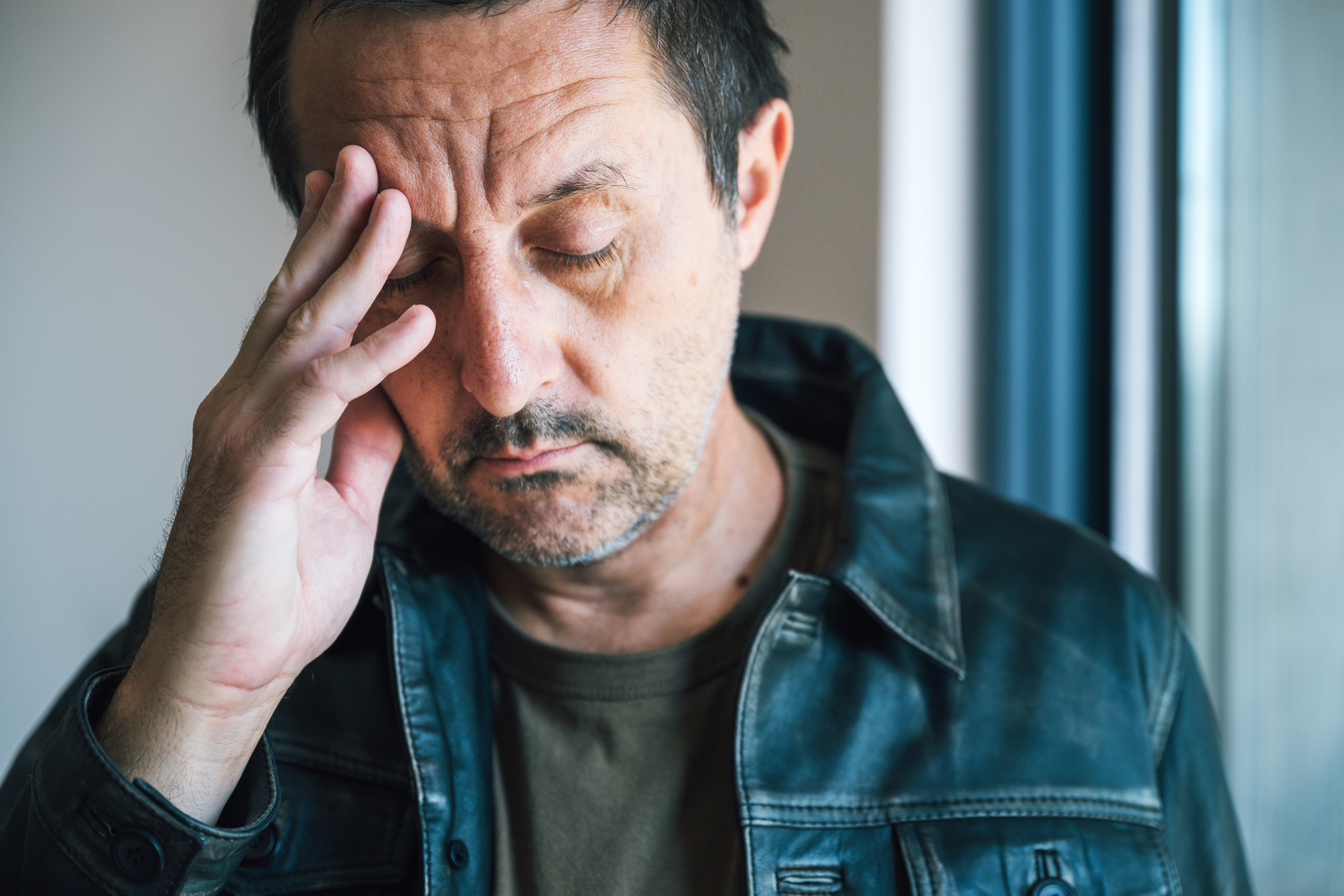
Every birthday adds another year to your age. But what happens inside your body doesn’t necessarily follow that steady schedule.
That includes your immune system.
We tend to think of our defenses slowly wearing down as the years pass. But researchers have identified two periods when immune aging accelerates—and the first arrives long before most of us consider ourselves old.
The finding gives us another reason to pay attention to immune health before illness forces the issue.
Quick Answer
Immune aging accelerates around age 40 and again after 60, according to research from Duke-NUS Medical School. These periods involve changes in the cellular machinery that helps immune cells function, particularly T cells. Men and women share some aging patterns but differ in others, highlighting the importance of supporting immune health throughout adulthood.
What changes when immune aging speeds up?
The study, published in Nature Communications, analyzed approximately 3.8 million immune cells from 1,828 healthy adults ages 19 to 97.
Researchers compared existing data from people of different ages rather than following everyone across decades.
They identified two major waves of change. Both included declining activity in genes involved in producing and managing RNA and proteins—the machinery cells need to maintain themselves and do their jobs.
In everyday terms, your protective cells showed signs that their internal upkeep was becoming less effective.
The first wave, around 40 (when many of us feel like we start to fall apart), mainly involved CD4 T cells, which help coordinate immune responses. After 60, CD8 T cells, which help destroy infected cells, featured prominently.
Effective immunity depends on both jobs: organizing a response and eliminating infected cells.
As immunity ages, protection against unfamiliar infections can weaken while inflammatory activity increases. That combination helps explain why immune aging means more than slower defenses: it can mean more inflammation without better protection.
The study measured gene activity rather than directly testing infection-fighting ability. Its findings help map biological changes underlying declining immune function.
If you’ve read about T cells before, this adds another layer to their importance. Understanding when they change could eventually help researchers identify better opportunities to protect immune health.
«SPONSORED»
Why men and women don’t follow the same pattern
The analysis also found differences between the sexes.
Women showed sustained activation of CD8 T cells and later aging signatures in several immune-cell groups. Men showed earlier fluctuations in the metabolism of CD4 T cells.
Some patterns were shared; others differed in timing or direction.
That gives researchers a reason to look more closely at who might benefit from future treatments—and when.
For now, the practical question is more immediate: What can you do to support the defenses you depend on every day?
How to support your immune system as you age
The Duke-NUS study didn’t test a diet, supplement or exercise program. But separate research gives us useful ways to support immune function now.
Give your immune system the nutrients it needs
Vitamins A, C, D (particularly D3) and E, along with minerals such as zinc and selenium, help your immune system function properly. Inadequate amounts of essential nutrients can leave those defenses working below their potential.
Make variety part of your meals: colorful vegetables and fruit, beans, whole grains, nuts, eggs and fish. A practical starting point is to add a vegetable to lunch and choose fruit or nuts for a snack.
A Mediterranean eating pattern fits here. In a yearlong study involving 612 older adults, closer adherence was associated with gut-bacteria changes linked to lower inflammatory markers. That is relevant to inflammaging, the chronic inflammation that accompanies aging.
Address nutritional gaps
Eating well and getting enough of every essential nutrient aren’t always the same thing.
If your appetite has diminished or you regularly avoid entire food groups, ask your healthcare provider whether your intake needs attention. But even if you think you’re eating healthy, research over the last few years shows that fruits and vegetables provide fewer nutrients.
Supplements can help bring an inadequate intake up to recommended levels. However, taking more when you already have enough generally doesn’t improve protection against infections.
Knowing where your nutrition falls short helps you choose supplements that support your immune system.
Protect your sleep
Sleep deserves a place in your immune-health routine because it supports T-cell function.
Sleep helps T cells attach to infected cells—an important step in your body’s ability to fight infection. In a human study, researchers found that this attachment mechanism worked better during sleep than during wakefulness at night. That gives sleep a direct connection to the immune defenses affected by aging.
Aim for seven to nine hours of quality sleep each night. Keep a consistent bedtime and wake time, and give yourself enough time to get the rest your body needs.
Make movement a repeatable habit
Exercise also offers immune benefits worth remembering.
In a randomized trial of sedentary older adults, a 10-month cardiovascular exercise program helped maintain protective antibody levels longer after a flu vaccination than flexibility and balance training alone.
Start with an activity you can repeat: walking, cycling, swimming or dancing. If a long session feels daunting, put a short walk on your calendar and build from there.
You don’t need to wait for a milestone birthday to begin. Choose one step you can make routine this week—an earlier bedtime, more variety on your plate or a regular walk—and give your immune health a standing place in your day.
Editor’s note: Regain your health and enjoy a full, vibrant life by defeating the real culprits of premature aging and sickness — excessive, damaging acid in your body! The truth is when you’re alkaline, wellness thrives and sickness takes a dive. Click here to discover The Alkaline Secret to Ultimate Vitality!
Sources:
Sex-specific trajectories of nonlinear immune aging at single-cell level — Nature Communications
Immune ageing accelerates around 40 and 60, with key differences between men and women — Duke-NUS Medical School
Dietary Supplements for Immune Function and Infectious Diseases — National Institutes of Health, Office of Dietary Supplements
Sleep exerts lasting effects on hematopoietic stem cell function and diversity — Journal of Experimental Medicine
NIH-funded study shows sound sleep supports immune function — National Heart, Lung, and Blood Institute
Cardiovascular exercise training extends influenza vaccine seroprotection in sedentary older adults: the immune function intervention trial — Journal of the American Geriatrics Society
FAQ: Immune System Aging
At what ages does immune aging accelerate?
Researchers identified major shifts in immune-cell gene activity around age 40 and again after 60. These are patterns across groups of people, rather than a prediction that everyone’s defenses suddenly weaken on a particular birthday. Different immune cells also showed different patterns of change.
What happens to immune cells as they age?
Age-related changes include declining activity in genes that help immune cells produce and manage RNA and proteins. These processes support cellular upkeep and function. The study identified molecular signs of immune aging rather than directly measuring how well participants fought infections.
Does the immune system age differently in men and women?
Yes. Researchers found both shared and sex-specific patterns. Women showed sustained activation of CD8 T cells and later aging signatures in several immune-cell groups, while men showed earlier fluctuations in CD4 T-cell metabolism. The findings suggest that the timing and nature of immune aging can differ.
What can you do to support your immune system as you get older?
Adequate nutrition, consistent sleep and regular physical activity provide useful foundations for immune health. Addressing nutritional gaps can also help your immune system function properly. These recommendations come from separate research and established guidance; the featured study did not test whether they prevent its identified aging waves.
Can supplements help support immune function?
Supplements can help bring inadequate intakes of essential nutrients up to recommended levels. Knowing where your nutrition falls short can help guide your choices. Taking additional vitamins or minerals when you already have enough generally does not prevent infections or help you recover faster.

By Joyce Hollman

«SPONSORED»
