



Get Easy Health Digest™ in your inbox and don’t miss a thing when you subscribe today. Plus, get the free bonus report, Mother Nature’s Tips, Tricks and Remedies for Cholesterol, Blood Pressure & Blood Sugar as my way of saying welcome to the community!





The amino acid your immune system uses to fight cancer and viruses
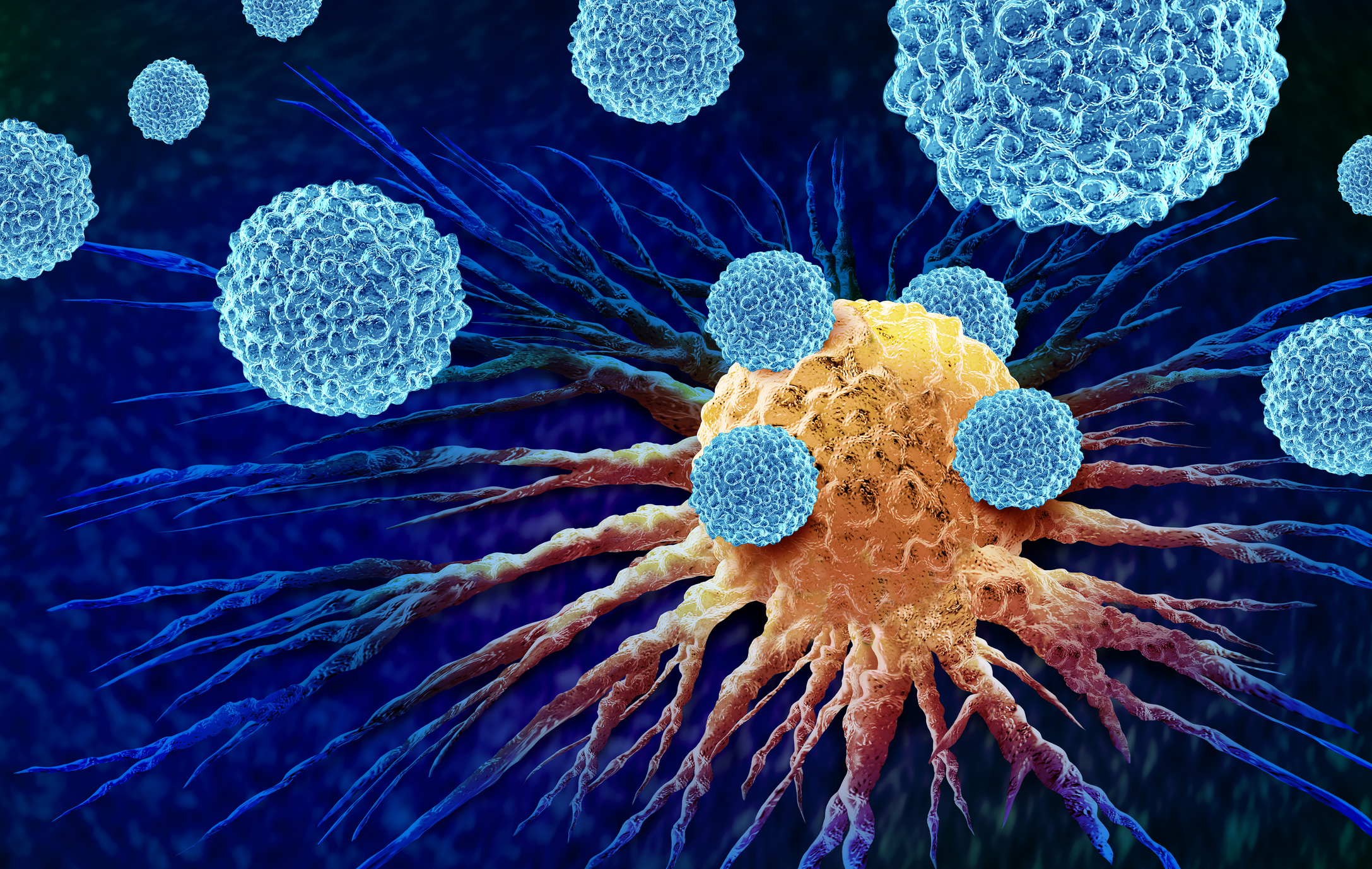
Your immune system can’t fight what it can’t see.
That may sound simple, but it’s one of the most important truths in health.
Every day, your body has to scan for infected cells, abnormal cells and early threats that could become something far more dangerous if they slip by unnoticed.
And to do that, your cells rely on a kind of internal alarm system.
When something is wrong inside a cell — like a viral infection or cancer-like mutation — the cell is supposed to display warning signals on its surface. Those signals help alert T cells, the immune cells that recognize trouble and rally your body’s defenses.
But scientists at Rockefeller University say one common amino acid may play a surprisingly important role in keeping that alarm system working.
It’s a nutrient that, depending on your diet, could be missing
Here’s why this simple protein-building nutrient is suddenly getting serious attention…
Necessary for cells to raise the immune alarm
Arginine is one of the building blocks your body uses to make proteins, a vital job for your overall health.
Scientists have long known that low arginine levels are associated with certain diseases, including colon cancer. In earlier work, the Rockefeller team reported that when colon cancer cells were deprived of arginine, they accumulated more mutations.
But their latest research went a step further.
The study, published in Cell, looked at cell cultures and mouse models of colon cancer, influenza and SARS-CoV-2. That means these findings have not yet been proven in people.
Still, what the researchers found was fascinating.
Across the disease models they studied, arginine was the amino acid that was most depleted.
That mattered because when arginine was scarce, cells struggled to produce a protein called MHC-1.
MHC-1 acts like a wanted poster on the surface of your cells. It displays pieces of abnormal or foreign proteins so T cells can recognize that something is wrong and respond.
Without enough MHC-1, infected cells or abnormal cells can become less visible to your immune system.
And that’s exactly what the researchers saw.
When cells didn’t have enough arginine, the ribosomes — the tiny cellular machines that build proteins — stalled while trying to make MHC-1. Because MHC-1 needs many arginine building blocks, low arginine levels made it harder for cells to finish the job.
Put simply, low arginine may weaken one of the body’s most important “show the immune system what’s wrong” signals.
And that could allow cancer cells or virus-infected cells to fly under the radar or sneak in like tiny ninjas waiting to do damage.
Fewer tumors and milder infections in mice
Once the scientists knew that low arginine was associated with the disease spectrum, the researchers tested what would happen when mice were fed different levels of arginine.
And the results were powerful.
The results noted that mice fed a low-arginine diet developed more colon cancer tumors. On the flip side, mice that received more arginine developed fewer colon tumors.
The same pattern showed up in viral infection models.
Mice eating an arginine-rich diet had milder symptoms from both influenza and SARS-CoV-2. Even more surprising, giving mice arginine after influenza infection improved their outcomes.
This is on top of previous research in humans showing that a combination of L-arginine and liposomal vitamin C helped relieve long-COVID fatigue in just days.
That’s important because it suggests arginine may not only support immune recognition before a threat takes hold. It may also help the immune system respond after infection begins.
However, this is not a green light to use arginine as a treatment for cancer or viruses.
This research was done in cells and mice, not in human clinical trials. So it doesn’t prove that arginine supplements prevent cancer, treat viruses or improve outcomes in people.
What it does reveal is a fascinating mechanism that may help explain why poor nutrition and aging can leave the immune system less prepared to fight back.
Why arginine matters for healthy aging
One of the most interesting parts of the study is what it may mean for aging.
According to the researchers, arginine levels naturally decline with age. And that age-related loss could help create what they called a “perfect storm” for weaker immune recognition.
That makes sense when you think about it.
We’ve all seen how, with age, immune function can become less sharp, recovery from infections can take longer, and cancer risk rises. And the beginning of this cascade seems to be that the body’s ability to recognize and respond to abnormal cells can become less efficient.
This new research suggests low arginine may be one piece of that puzzle.
It might not be the whole answer, but it is an important signal.
If your cells don’t have enough of the building blocks they need to make immune-warning proteins, your immune system may not see threats as clearly.
And when your immune system can’t see danger clearly, it can’t fight it as effectively.
How to support your arginine levels naturally
Past research has indicated arginine may impact several areas of health…
Low levels have been linked to depression. Boosting arginine may even be an amino-acid hack for fewer cavities. Arginine even looks promising for Alzheimer’s, with some calling it the “beta amyloid-busting amino acid.”
Luckily, boosting your arginine is easy.
The safest place to start is with a protein-rich, nutrient-dense diet that gives your immune system the building blocks it needs.
Good arginine-containing foods include:
- Turkey, chicken, fish and lean meats
- Eggs and dairy foods like yogurt or cottage cheese
- Lentils, chickpeas, soybeans and other legumes
- Pumpkin seeds, sesame seeds and peanuts
- Almonds, walnuts and other nuts
- Whole grains like oats and quinoa
And remember, arginine works as part of a bigger nutrition picture.
Your immune system also needs zinc, vitamin A, vitamin C, vitamin D3, selenium, omega-3 fats and enough overall calories and protein to build and maintain immune cells.
Supplementing arginine is popular. Among athletes, it’s used as a pre-workout supplement to boost nitric oxide production, enhance blood flow, and improve oxygen delivery to active muscles
If you are prescribed medication or being treated for a condition, it’s always wise to let your doctor know if you plan to supplement.
For example, because arginine can lower blood pressure, it may intensify the effects of blood pressure medications and certain other drugs that widen blood vessels. It can also be a concern for people with a history of herpes outbreaks.
And anyone undergoing cancer treatment should talk with their oncology team before adding supplements.
The real takeaway from this study is that nutrition is not just “fuel.”
It can influence the natural signals your immune system uses to spot danger.
And when it comes to fighting viruses, abnormal cells and the immune slowdown that can come with age, giving your body the right building blocks may help keep those warning signals turned on.
Editor’s note: Discover how to live a cancer prevention lifestyle — using foods, vitamins, minerals and herbs — as well as little-known therapies allowed in other countries but denied to you by American mainstream medicine. Click here to discover Surviving Cancer! A Comprehensive Guide to Understanding the Causes, Treatments and Big Business Behind Medicine’s Most Frightening Diagnosis!
Sources:
A simple supplement could help the immune system fight cancer and viruses — ScienceDaily
The nutrient that cancer cells crave — Rockefeller University
L-Arginine Benefits, Uses & Side Effects — Cleveland Clinic
Arginine — Memorial Sloan Kettering Cancer Center
Protein 101: Essential guide to daily requirements and top healthy sources — Harvard Health
FAQ: Arginine and the Immune System
Did this arginine study involve people?
No. The research involved cell cultures and mouse models of colon cancer, influenza and SARS-CoV-2. That means the findings are early-stage and should not be treated as proof that arginine supplements prevent cancer or treat viral infections in people. The study helps explain a possible immune mechanism that now needs human research.
What is arginine?
Arginine is an amino acid, which means it is one of the building blocks your body uses to make proteins. Your body can make some arginine, and you also get it from protein-rich foods such as poultry, fish, dairy, beans, lentils, nuts and seeds.
How did arginine affect immune defense in the study?
When arginine was low, cells had trouble producing MHC-1, a protein that helps display warning signals to T cells. Without enough MHC-1, abnormal or infected cells may be harder for the immune system to recognize. In mice, arginine-rich diets were linked to fewer colon tumors and milder viral infections
Should I take arginine supplements for immune health?
Not automatically. The safest first step is eating enough protein and nutrient-rich foods that naturally contain arginine. Supplements can interact with certain medications, including blood pressure drugs and nitrates, and may not be appropriate for people with some conditions. Cancer patients should ask their oncology team before using arginine.
What foods contain arginine?
Arginine is found in many protein-rich foods, including turkey, chicken, fish, eggs, dairy, lentils, chickpeas, soybeans, pumpkin seeds, sesame seeds, peanuts, almonds, walnuts, oats and quinoa. These foods also provide other nutrients that support immune function, making them a smarter foundation than focusing on one amino acid alone.

By Dr. Adria Schmedthorst


«SPONSORED»
