



Get Easy Health Digest™ in your inbox and don’t miss a thing when you subscribe today. Plus, get the free bonus report, Mother Nature’s Tips, Tricks and Remedies for Cholesterol, Blood Pressure & Blood Sugar as my way of saying welcome to the community!








Bone loss and gout: Latest side effects of GLP-1 drugs

Losing weight is universally challenging.
So it’s no surprise that a new class of weight-loss medications has surged in popularity, especially among patients with obesity and type 2 diabetes.
Nearly 20% of adults aged 50–64 now take these drugs — known as GLP-1 receptor agonists — making middle-aged adults their largest consumer group.
For many, the results have been impressive.
But with any fast-acting drug comes an important question:
What are the long-term effects?
New research warns that while these medications offer short-term benefits, they may also carry unexpected consequences for bone and joint health — a concern that only grows with age.
«SPONSORED»
Increased risk of osteoporosis, gout and osteomalacia
Researchers at the Michigan State University College of Human Medicine have been investigating how GLP-1 drugs affect the body beyond their well-known role in weight loss.
When they examined long-term data, a concerning picture began to emerge…
In a large study of more than 73,000 patients, researchers compared patients taking GLP-1 medications with those who were not.
After five years, those using the drugs showed a significant:
- Higher risk of osteoporosis (bone loss)
- Increased incidence of gout
- Greater likelihood of osteomalacia (softening of the bones)
Most strikingly, the risk of osteoporosis was 29% higher among those taking GLP-1 medications compared to non-users.
Lead researcher Muazz Wajahahth explains:
“We are just now reaching the precipice where five- and 10-year follow-up data are becoming available for patients taking GLP-1 medications. Any medication that sees this rapid adoption warrants close examination, particularly when the long-term effects of GLP-1 RA exposure on bone and joint health remain poorly understood.”
While GLP-1 drugs appear to offer benefits for weight loss and metabolic health, scientists are urging caution about their long-term effects on the body — particularly the bones and joints.
Why weight loss drugs could damage your bones and joints
So why would a weight-loss medication have such an extremely negative effect on bone and joint health?
One possible explanation comes down to how your body responds to rapid weight loss.
That’s because when you lose weight quickly — whether through dieting, surgery or medication — your body can also lose bone density. This occurs because your bones rely on both mechanical load (your body weight) and proper nutrient balance to stay strong.
That need for a proper nutrient balance is where the second problem for your bones and joints comes in when you take GLP-1 medications.
Researchers from the University of Cambridge have already established that these drugs can lead to a hidden loss of nutrients, leading to deficiencies that age your body, including your bones.
Finally, some researchers also suspect that GLP-1 drugs may influence bone turnover and calcium balance, tipping your bone and joint health to the dark side.
That’s why experts emphasize the importance of looking at the whole-body impact of the medications — not just the number you see when you step on the scale.
«SPONSORED»
Naturally healthier weight loss
Rather than relying on drugs that aid weight loss but may compromise bone health, it may be worth exploring more natural and equally effective alternatives.
The best diet for managing diabetes and losing weight focuses on nutrient-dense, low-calorie foods that stabilize blood sugar and promote weight loss. Three diets that fill this bill include the Mediterranean diet, plant-based eating and the Dash diet.
Add-ons could help…
One such option is berberine, often called “nature’s Ozempic.” A long-standing staple of traditional Chinese medicine, berberine has been shown to support blood sugar control, lower cholesterol and promote weight loss.
Chia seeds are another strong option for weight management. They help reduce blood sugar spikes and promote a feeling of fullness, making it easier to avoid overeating.
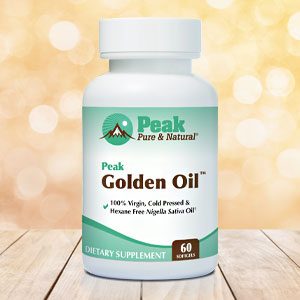
For those looking to further support their weight management efforts, black seed oil — also known as Nigella Sativa — is a compelling choice.
Bone-supporting advice
Finally, whether you decide to use GLP-1 medications in your weight-loss journey or choose a more natural option, taking a proactive approach to protecting your bones and joints is a must.
That includes:
- Prioritizing bone-supporting nutrition – Make sure your diet includes plenty of calcium for strong bones (found in leafy greens, dairy and almonds) and protein (to support bone structure and strengthen muscles).
- Taking vitamin D3 – GLP-1 meds have already been found to contribute to nutritional deficiencies. Add bone-supporting vitamin D3 and calcium to your routine.
- Adding vitamin K – Vitamin K is often overlooked. Yet, it’s the secret to both stronger bones and softer arteries.
- Incorporating resistance and weight-bearing exercise – Activities like walking, strength training and light resistance work can help maintain your bone density and muscle mass.
- Monitoring bone health – If you’re at risk for osteoporosis, be sure your doctor is aware before starting a GLP-1. They may want to order a bone density test.
- Avoiding rapid, unsupervised weight loss – Gradual, sustainable weight loss is typically easier on the body — and may reduce unintended side effects.
Editor’s note: Are you feeling unusually tired? You may think this is normal aging, but the problem could be your master hormone. When it’s not working, your risk of age-related diseases skyrockets. To reset what many call “the trigger for all disease” and live better, longer, click here to discover The Insulin Factor: How to Repair Your Body’s Master Controller and Conquer Chronic Disease!
Sources
Studies explore: GLP-1 receptor agonist use and its impact on long-term musculoskeletal health — AAOS
GLP-1 receptor agonists linked to higher risk of osteoporosis, gout and osteomalacia — Drugs.com
GLP-1 drugs tied to higher long-term risk of bone and joint conditions — Medical News Today
KFF Health Tracking Poll May 2024: The Public’s Use and Views of GLP-1 Drugs – KFF

By Dr. Adria Schmedthorst



«SPONSORED»
