



Get Easy Health Digest™ in your inbox and don’t miss a thing when you subscribe today. Plus, get the free bonus report, Mother Nature’s Tips, Tricks and Remedies for Cholesterol, Blood Pressure & Blood Sugar as my way of saying welcome to the community!



The ‘golden spice’ that disrupts cancer cells’ power supply
Cancer cells have a demanding job: keep growing, keep multiplying and keep finding ways to survive.
What happens when a natural compound interferes with the energy they need to do all three?
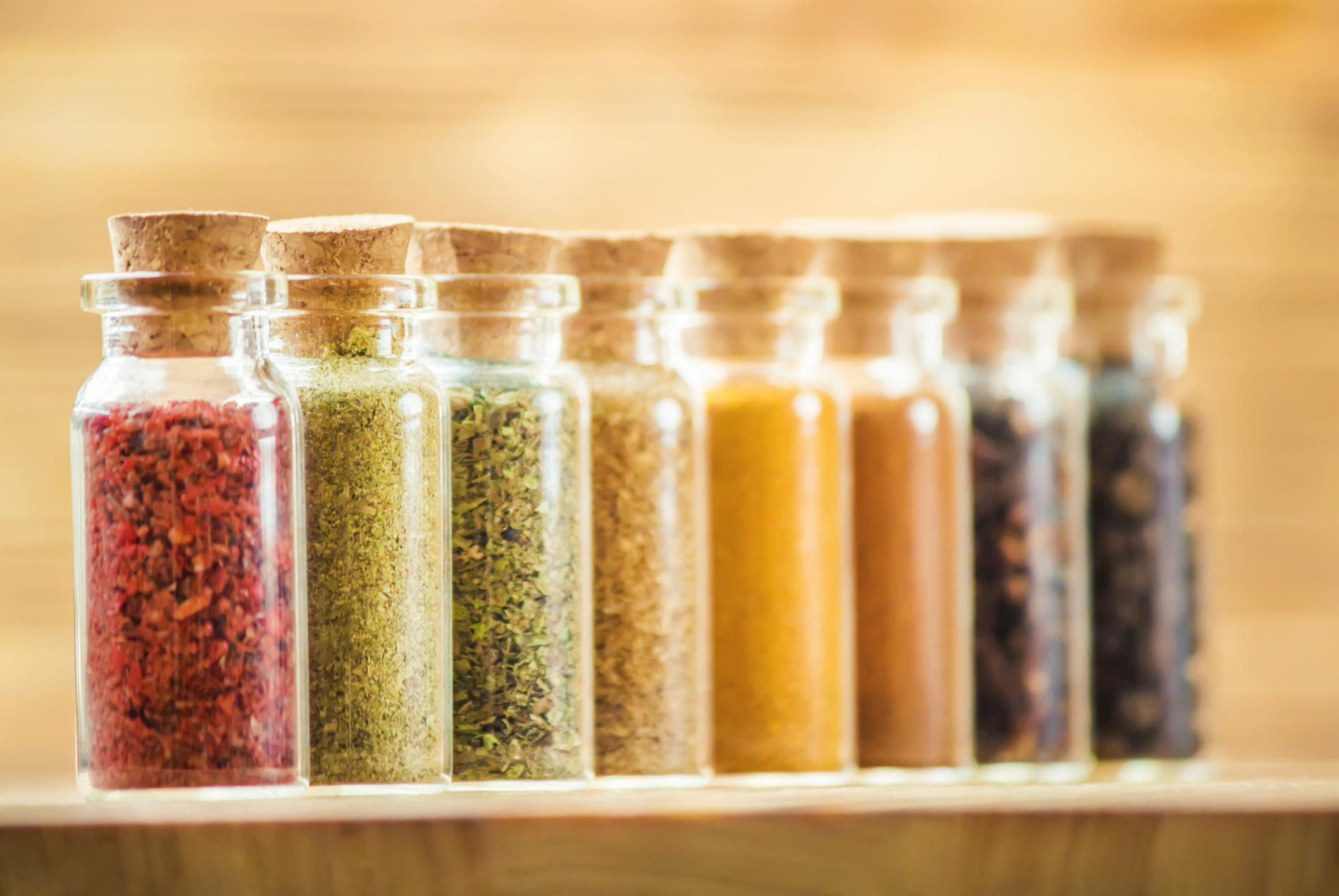
That question puts turmeric’s golden pigment, curcumin, in a fascinating spotlight.
In a laboratory comparison of five natural compounds, all five sharply depleted cancer cells’ energy supply. But curcumin stood out for another reason: It produced the strongest signs of shutting down cell division while showing a comparatively favorable safety profile.
That combination helps explain why this familiar spice continues to attract serious scientific attention.
Quick Answer: Can curcumin fight cancer cells?
In laboratory tests, curcumin disrupted energy production and pushed more than 75% of fibrosarcoma cells into a state associated with stopped cell division. It showed the most promising overall balance of anticancer activity and preliminary safety among five compounds tested. The findings came from animal cell lines and wax moth larvae, rather than people.
Five natural compounds put to the test
Researchers from Wroclaw Medical University and the University of Wroclaw in Poland compared five compounds:
- Curcumin, the pigment that gives turmeric its golden color.
- Berberine, found in plants including barberry, goldenseal and Oregon grape.
- Biochanin A, a plant compound found in red clover.
- Cucurbitacin E, a member of the bitter-tasting cucurbitacin family found in certain plants.
- Caffeic acid phenethyl ester, or CAPE, a component of propolis, the resinous material bees make from plant substances.
Their study, published in the International Journal of Molecular Sciences, compared the compounds’ effects on fibrosarcoma cells with their effects on noncancerous muscle cells. Fibrosarcoma is a cancer that develops in connective tissue.
The team examined how well cells survived, how their energy systems functioned and whether they showed signs of losing the ability to divide.
That last point matters enormously. Cancer’s danger depends partly on cells continuing to multiply when they should stop.
Hitting cancer cells where they get their energy
Inside cells are tiny structures called mitochondria. Often described as cellular powerhouses, they produce ATP, the energy-carrying molecule cells use to do their work.
The compounds disrupted mitochondrial function, and the cancer cells experienced a dramatic energy shortfall.
ATP levels fell by approximately 83% to 92% in the fibrosarcoma cells.
The noncancerous muscle cells also lost ATP, with reductions ranging from about 23% to 73%. Those effects deserve attention, but the cancer cells were generally more vulnerable.
Think of it as putting both types of cells under an energy squeeze — with the cancer cells struggling more.
The researchers also investigated a cellular signaling system called NF-κB. It helps regulate inflammation, metabolism and survival. When overactive in cancer cells, it can help them weather conditions that might otherwise threaten their survival.
Influencing that system, along with disrupting energy production, offers researchers a way to investigate cancer cells’ defenses.
Curcumin put the strongest brake on cell division
All five compounds triggered signs of cellular senescence in the cancer cells.
That scientific term describes cells that remain alive but stop dividing. In cancer research, stopping malignant cells from multiplying is an important goal.
Curcumin produced the strongest response: The proportion of cancer cells showing signs of senescence rose from about 16.5% to more than 75%.
Each of the other compounds pushed that proportion above 66%.
The noncancerous muscle cells generally showed a weaker response, suggesting the compounds affected cancer cells more strongly.
Curcumin and CAPE also showed the greatest selectivity against cancer cells in tests of cell survival. But curcumin pulled ahead when the researchers considered the safety findings alongside its anticancer effects.
“Among the compounds tested, curcumin demonstrated the most balanced profile,” said researcher Professor Julita Kulbacka.
Why curcumin rose above the competition
To look beyond isolated cells, the team tested toxicity in greater wax moth larvae, an early screening model.
Curcumin and berberine were the best tolerated. CAPE and cucurbitacin E caused higher mortality, while biochanin A was the most toxic.
So curcumin’s appeal went beyond its powerful effects on cancer cells. It paired those effects with comparatively encouraging results in an initial whole-organism safety test.
The next steps include studies in mammals and research into effective doses and delivery methods.
What this means for your turmeric habit
Over the years, curcumin has generated significant interest in cancer research and other areas of health. This study has prompted further investigation by striking at two essentials cancer cells depend on: energy and continued division.
Turmeric is a popular culinary spice, and I include it myself in many of my favorite recipes, including golden milk. It’s delicious in curries, sauces and even sprinkled over scrambled eggs.
If you’re a fan of turmeric, there’s no reason not to enjoy its flavor in soups, roasted vegetables and other meals.
However, it may take more research before we see it used in treatment. Some plant compounds can interact with medicines. So anyone undergoing cancer treatment should discuss concentrated curcumin or berberine products with their oncology team before adding them.
Editor’s note: Discover how to live a cancer prevention lifestyle — using foods, vitamins, minerals and herbs — as well as little-known therapies allowed in other countries but denied to you by American mainstream medicine. Click here to discover Surviving Cancer! A Comprehensive Guide to Understanding the Causes, Treatments and Big Business Behind Medicine’s Most Frightening Diagnosis!
Sources:
Modulation of NFκB Signaling by Natural Compounds in Sarcoma and Normal Muscle Models — International Journal of Molecular Sciences.
Natural compounds against sarcoma. Which shows the greatest potential? — Wroclaw Medical University.
In the News: Berberine — National Center for Complementary and Integrative Health.
Turmeric — National Center for Complementary and Integrative Health.
FAQ: Curcumin and Cancer
What did the study find about curcumin and cancer cells?
Curcumin disrupted energy production and triggered signs of stopped cell division in fibrosarcoma cells. Among five natural compounds tested, it showed the most promising overall balance of anticancer activity and preliminary safety. These were laboratory findings.
How much did the compounds reduce cancer cells’ energy supply?
Across the five compounds, ATP — the molecule cells use to carry energy — fell by approximately 83 to 92 percent in fibrosarcoma cells. Noncancerous muscle cells also experienced reductions, but those decreases were generally smaller.
Did curcumin kill cancer cells or stop them from dividing?
The researchers assessed cell survival and signs of cellular senescence, a state in which cells remain alive but stop dividing. Curcumin increased the proportion of fibrosarcoma cells showing signs of senescence from about 16.5 percent to more than 75 percent.
Was curcumin safer than the other compounds?
Curcumin and berberine were the best tolerated in preliminary toxicity tests using wax moth larvae. Curcumin also showed strong anticancer activity in cell tests. These findings do not establish safety in humans or mean that healthy cells were unaffected.
Does eating turmeric or taking curcumin supplements treat cancer?
This study did not test turmeric foods or oral supplements in people. It cannot establish a cancer-treatment benefit or dose. Anyone undergoing cancer treatment should discuss curcumin or berberine supplements with their oncology team because they can interact with medicines.

By Carolyn Gretton

«SPONSORED»
