



Get Easy Health Digest™ in your inbox and don’t miss a thing when you subscribe today. Plus, get the free bonus report, Mother Nature’s Tips, Tricks and Remedies for Cholesterol, Blood Pressure & Blood Sugar as my way of saying welcome to the community!





10 minutes to colon cancer prevention starting now
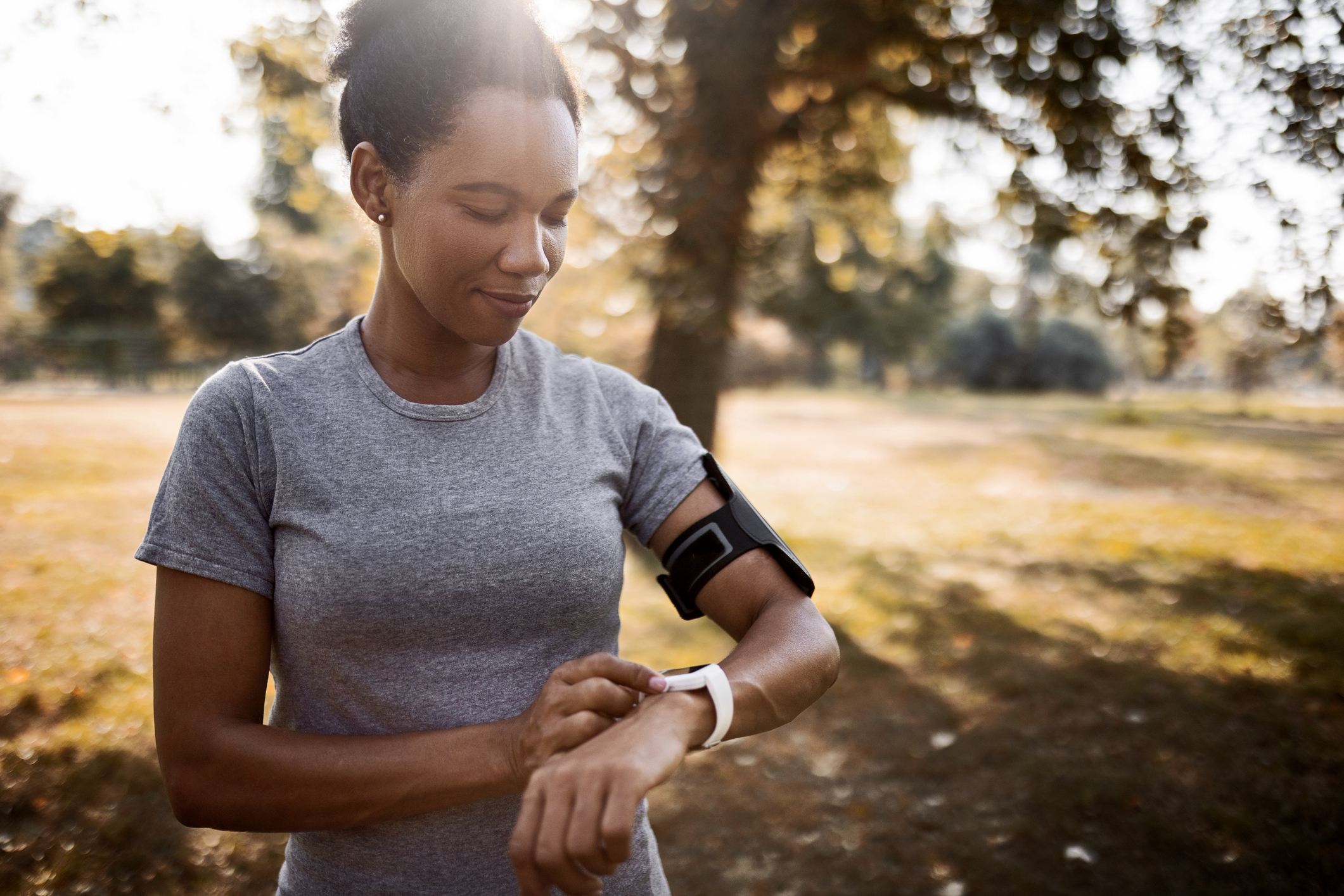
Most of us think of exercise as something that helps the heart, lungs, waistline and blood sugar.
But cancer prevention?
Researchers are learning that even short bursts of movement can trigger powerful changes inside the body — changes that may help create a less welcoming environment for cancer cells.
And in a new study from Newcastle University, it didn’t take a marathon, a spin class or even a long gym session to see those changes.
It took about 10 minutes…
That’s a powerful reminder that your body responds quickly when you move — and those responses may matter more than we once realized.
You’ve got time for this
Previous studies have indicated that exercise can reduce the risk of colon cancer, suppress its progression and improve survival rates beyond people who’d never had the cancer.
Researchers at Newcastle University wanted to explore this further, so they recruited 30 male and female volunteers ages 50–78, all of whom were overweight or obese but otherwise healthy. Being overweight or obese is a risk factor for several kinds of cancer, including colon cancer.
After a short, intense cycling test lasting for about 10 minutes, the researchers collected blood samples and analyzed 249 proteins. As many as 13 of these proteins increased after exercise, including interleukin-6 (IL-6), which helps repair damaged cells’ DNA, and molecules linked to reducing inflammation, improving blood vessel function and metabolism.
When these exercise-induced molecules were applied to colon cancer cells in the lab, the activity of more than 1,300 genes was altered, including those involved in DNA repair, energy production and cancer cell growth.
The researchers found exercise boosted the activity of genes supporting mitochondrial energy metabolism, enabling cells to use oxygen more efficiently.
At the same time, genes linked to rapid cell growth were turned off, which could reduce the aggressiveness of cancer. Also, exercise-conditioned blood promoted DNA repair by activating a key repair gene called PNKP.
Exercise sends anti-cancer signals through the blood
The findings help explain one way exercise can protect against colon cancer: by sending molecular signals in the bloodstream that influence the activity of genes that control tumor growth and genome instability.
Newcastle University’s Dr. Sam Orange, who led the study, says the results indicate exercise may create a more hostile environment for cancer cells.
“What’s remarkable is that exercise doesn’t just benefit healthy tissues, it sends powerful signals through the bloodstream that can directly influence thousands of genes in cancer cells,” he says.
The study represents another step in the fight against colon cancer and further emphasizes the importance of staying active.
“Even a single workout can make a difference,” Orange says. “One bout of exercise, lasting just 10 minutes, sends powerful signals to the body.”
Orange notes these insights are exciting because they open the door to find ways to mimic or augment the biological effects of exercise.
“In the future, these insights could lead to new therapies that imitate the beneficial effects of exercise on how cells repair damaged DNA and use fuel for energy,” he says.
Small bouts of movement can add up
Estimates show physical activity reduces the risk of colon cancer by about 20%. And it doesn’t just mean going to the gym.
Exercise can come from playing sports, brisk walking or biking to work or around the neighborhood, gardening, climbing stairs or doing physically active work around the house. The key is to move with enough intensity to keep sending those beneficial signals through the body.
The researchers’ future plans include testing whether repeated exercise sessions produce lasting changes and exploring how these effects interact with standard cancer treatments like chemotherapy and radiotherapy.
For now, the takeaway is simple: movement matters, and your body may respond faster than you think.
Ten minutes may not sound like much. But when it comes to teaching your body to become a tougher place for cancer to grow, it may be a very good place to start.
Editor’s note: Discover how to live a cancer prevention lifestyle — using foods, vitamins, minerals and herbs — as well as little-known therapies allowed in other countries but denied to you by American mainstream medicine. Click here to discover Surviving Cancer! A Comprehensive Guide to Understanding the Causes, Treatments and Big Business Behind Medicine’s Most Frightening Diagnosis!
Sources:
1. Short, intensive workouts help fight bowel cancer — Newcastle University
2. Just 10 minutes of exercise can trigger powerful anti-cancer effects — ScienceDaily
3. Exercise serum promotes DNA damage repair and remodels gene expression in colon cancer cells — International Journal of Cancer
4. Key Statistics for Colorectal Cancer — American Cancer Society
FAQ: Exercise and Colon Cancer Prevention
Can 10 minutes of exercise prevent colon cancer?
No single workout can guarantee cancer prevention. But research suggests even one short, intense bout of exercise can trigger molecular changes in the blood that may influence cancer-related genes, DNA repair and inflammation. Over time, regular physical activity is linked with a lower risk of colon cancer.
How much can exercise lower colon cancer risk?
Research estimates that physical activity may reduce colon cancer risk by about 20%. The benefit appears to come from regular movement, which may help reduce inflammation, improve metabolism, support healthy weight and influence biological signals involved in cancer growth.
What kind of exercise is best for colon cancer prevention?
The best exercise is the kind you can do consistently. Brisk walking, cycling, swimming, gardening, cleaning, sports, strength training and stair climbing can all count. Short bursts of higher-intensity activity may be especially helpful, but everyday movement matters too.
Do I still need colon cancer screening if I exercise?
Yes. Exercise can help lower risk, but it does not replace screening. Colorectal cancer can often begin as polyps that may be found and removed before they become cancer. Talk with your doctor about when to begin screening, especially if you have symptoms or a family history.
What are common warning signs of colorectal cancer?
Possible symptoms include blood in the stool, rectal bleeding, ongoing changes in bowel habits, unexplained weight loss, persistent abdominal pain, fatigue or a feeling that the bowel doesn’t empty completely. These symptoms can have many causes, but they should always be discussed with a healthcare provider.

By Carolyn Gretton


«SPONSORED»
