



Get Easy Health Digest™ in your inbox and don’t miss a thing when you subscribe today. Plus, get the free bonus report, Mother Nature’s Tips, Tricks and Remedies for Cholesterol, Blood Pressure & Blood Sugar as my way of saying welcome to the community!


Why beets and leafy greens may do more than boost nitric oxide
By now, a lot of us have heard that beets are good for blood pressure.
The reason usually comes down to nitric oxide — the molecule your body uses to help blood vessels relax and open up so blood can flow more easily.
That’s why beets, spinach, arugula and other nitrate-rich vegetables have earned such a strong reputation for circulation and heart health.
But new research from Karolinska Institutet suggests nitric oxide may not be the whole story.
Researchers have discovered another pathway that may help explain why vegetables keep showing up as some of the best foods for protecting the heart and metabolism.
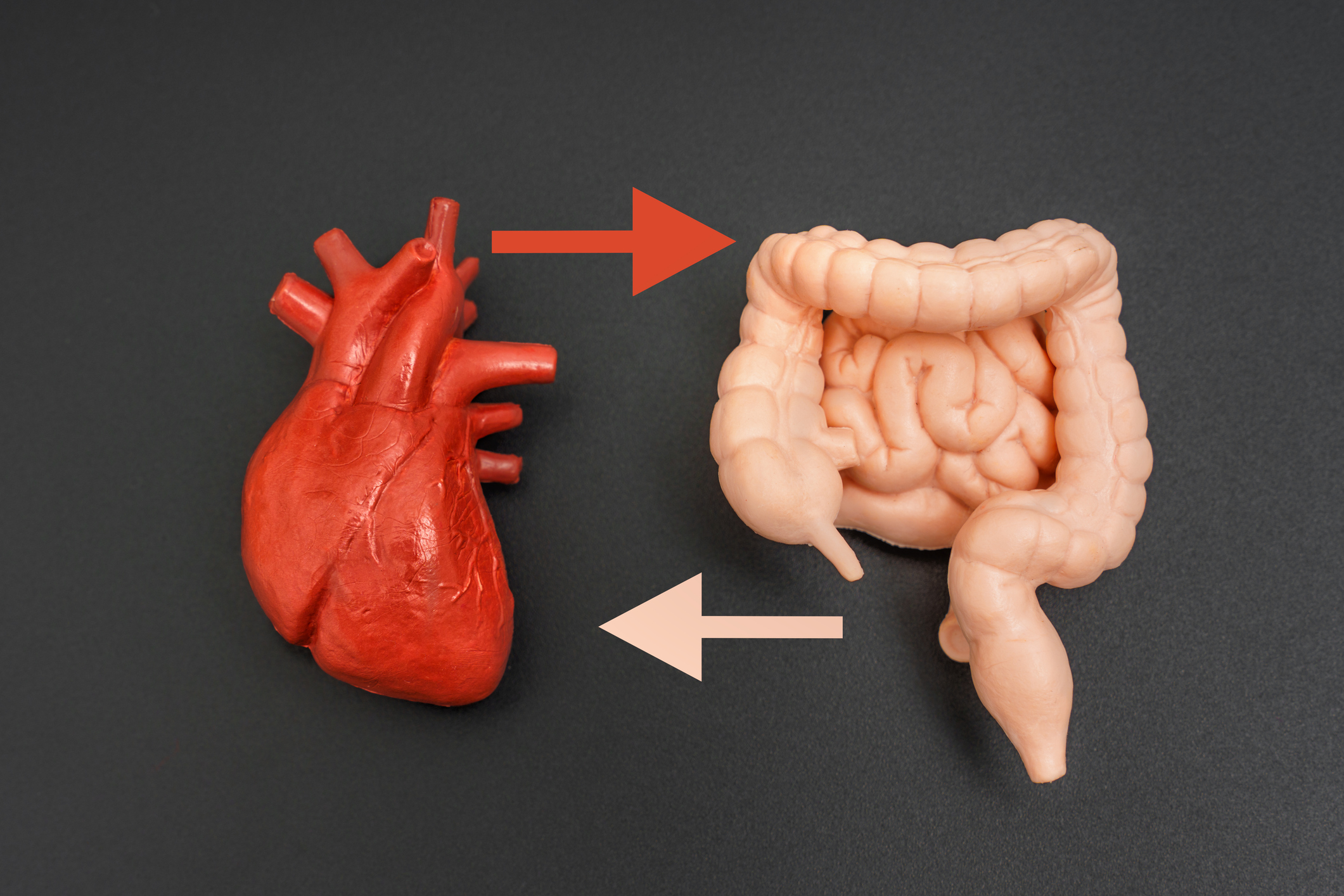
Gut bacteria can combine dietary nitrate with plant-based iron to create compounds called dinitrosyl iron complexes, or DNICs.
And in experimental models, higher levels of these compounds were linked to:
- lower blood pressure
- better blood vessel function
- better blood sugar control
- less fat accumulation in the liver
That’s a pretty impressive list for a pathway most of us have never heard of. And it suggests the gut may be doing far more with beets and leafy greens than simply helping digest them.
«SPONSORED»
Your gut may be making protective molecules
Nitrate occurs naturally in many vegetables, especially beetroot and leafy greens such as spinach, arugula and lettuce.
Non-heme iron is the form of iron found in plant foods including beans, lentils, whole grains, nuts, seeds and green vegetables.
Separately, those nutrients already matter.
But this study suggests that when the right gut bacteria get involved, nitrate and plant-based iron can be combined into something entirely different.
DNICs are biologically active molecules made from iron and nitric oxide-related chemistry.
Once formed, they can be absorbed and carried to organs including the liver and kidneys.
That matters because these compounds may influence processes involved in blood pressure, glucose control, blood vessel function and fat metabolism.
In other words, the nutrients you eat may be only the beginning of the story.
Your gut microbes may be transforming them into compounds with effects of their own.
The microbiome appears to be essential
The study, published in Cell, used a combination of mice, cells, bacteria and human samples to investigate how DNICs are formed.
One finding stood out: DNICs were completely absent in germ-free mice.
Those mice are raised without gut microbes.
When the researchers tested further, they found that bacteria capable of processing nitrate were necessary to make the compounds.
That strongly suggests the gut microbiome is not just involved in this pathway.
It may be essential to it. In simple terms:
- Nitrate and plant-based iron are the raw materials.
- Gut bacteria help turn them into DNICs.
- And those DNICs may then travel through the body and influence cardiometabolic health.
«SPONSORED»
More than a nitric oxide story
For years, the health story around beets and greens has focused on the nitrate-nitrite-nitric oxide pathway.
And that pathway still matters.
We’ve covered it before in beets, bacteria and chewing gum in blood pressure and in our look at nitric oxide and better blood vessels, blood pressure and blood flow.
But DNICs appear to add another layer.
According to the researchers, the benefits they observed were tied to the iron-nitric oxide structure inside DNICs rather than simply to free nitric oxide.
That means nitrate-rich vegetables may do more than help your body make NO.
They may also provide the ingredients your gut bacteria need to create mobile compounds that affect how the body handles blood pressure, blood sugar and fat.
That may help explain why diets rich in vegetables are so consistently linked to lower cardiovascular and metabolic risk.
What this could mean for heart and metabolic health
Much of this work was done in experimental models, so researchers still need to determine exactly how important this pathway is in people.
But the findings are intriguing because the benefits appeared across several connected areas of health…
- Blood pressure.
- Blood vessel function.
- Blood sugar control.
- Liver fat.
These aren’t separate problems.
They are all part of cardiometabolic health — the web of factors that influence heart disease, diabetes, fatty liver disease and vascular function.
And though this research goes beyond nitric oxide, it’s important to note that previous research has linked NO to cardiometabolic syndrome.
«SPONSORED»
Putting the food connection into perspective
The takeaway from this study isn’t to chase DNICs or add iron supplements to beet juice.
It’s much simpler than that.
The foods that naturally supply plant-based nitrate and plant-based iron already fit into the dietary patterns consistently linked with better heart and metabolic health.
Nitrate-rich choices include:
- beets
- spinach
- arugula
- lettuce
- celery
Plant-based iron is found in foods such as:
- beans and lentils
- whole grains
- nuts and seeds
- leafy green vegetables
And because gut bacteria are involved in this pathway, a fiber-rich diet also makes sense as part of the bigger picture.
A meal like spinach with lentils and roasted beets naturally brings several of those pieces together.
The real reason vegetables keep winning
Food isn’t just calories, vitamins and minerals. It’s also raw material.
And your gut bacteria can transform that raw material into compounds that may influence what happens far beyond your intestines.
We already knew nitrate-rich vegetables could help support nitric oxide and blood vessel function.
Now researchers have uncovered another possible pathway — one linking gut bacteria, nitrate and plant-based iron to molecules associated with better blood pressure, blood sugar, vascular function and liver fat in experimental models.
That means they may not just feed you. They may also feed the microbes that help turn food into something your heart and metabolism can use.
Editor’s note: What do you really know about stroke? The truth is, only 10% of stroke survivors recover almost completely, and all doctors can offer is what to do after a stroke occurs. That’s unacceptable considering 80% of strokes are preventable! Click here to discover how to escape The Stroke Syndrome: 5 Signs it’s Stalking You — Plus the Hidden Causes and Preventive Measures You’ve Never Heard About!
Sources:
Gut bacteria may unlock a hidden benefit of vegetables — ScienceDaily
Gut bacteria convert dietary nitrate and iron into protective molecules — Karolinska Institutet
Gut microbiota generate dinitrosyl iron complexes with cardiometabolic benefits — Cell
Gut microbiota generate dinitrosyl iron complexes with cardiometabolic benefits — PubMed
Vegetables and Fruits — Harvard T.H. Chan School of Public Health
Iron Fact Sheet for Consumers — NIH Office of Dietary Supplements

By Dr. Adria Schmedthorst

«SPONSORED»
