



Get Easy Health Digest™ in your inbox and don’t miss a thing when you subscribe today. Plus, get the free bonus report, Mother Nature’s Tips, Tricks and Remedies for Cholesterol, Blood Pressure & Blood Sugar as my way of saying welcome to the community!





The blood sugar reset that cuts heart attack risk nearly in half

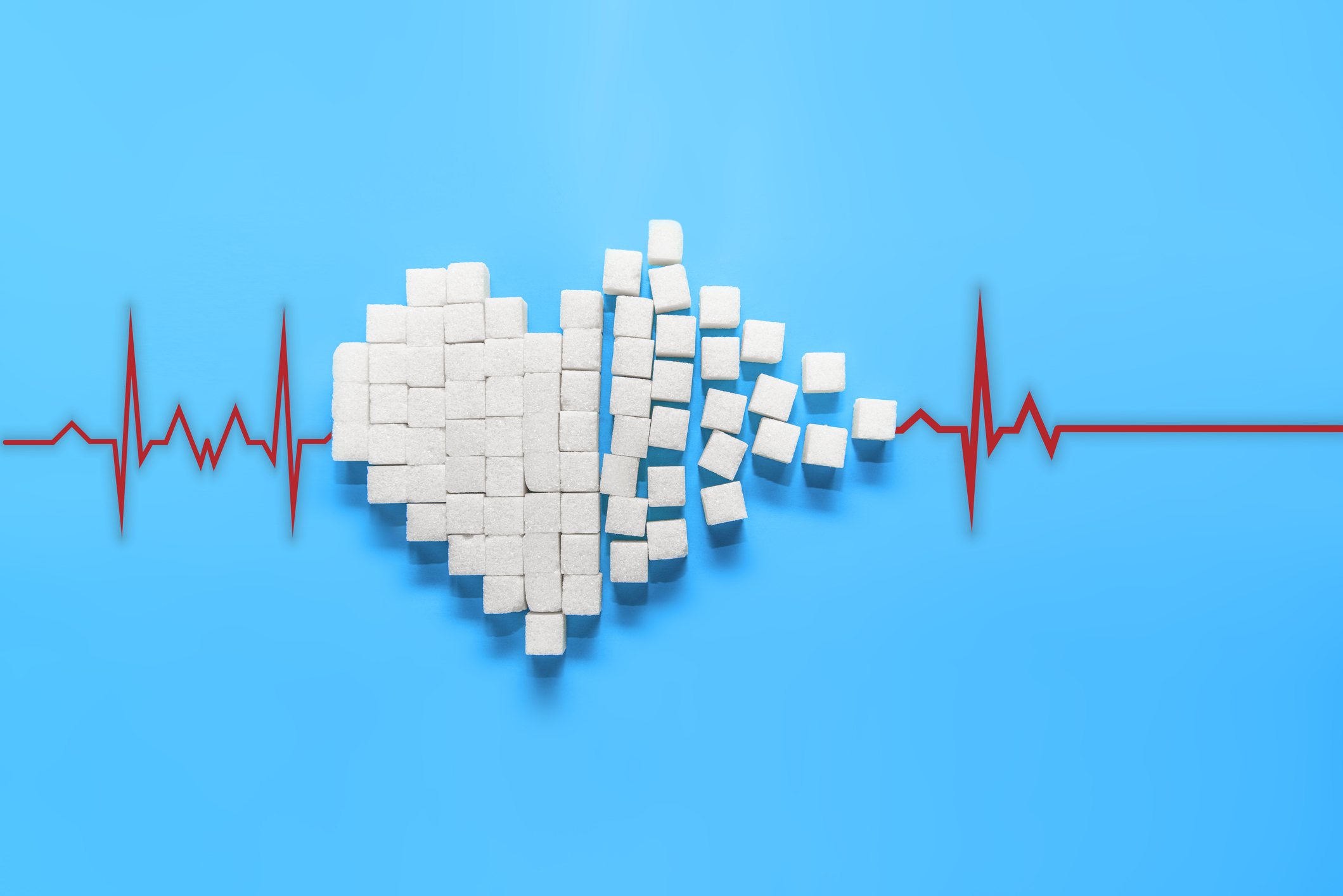
We’ve known for a long time that diabetes and heart health are closely connected.
People with diabetes face a higher risk of heart disease, even when they don’t already have high blood pressure or high cholesterol. That’s because high blood sugar can damage blood vessels and nerves that control the heart. Over time, that changes the way the heart functions.
But what if your blood sugar is only slightly high?
That’s the situation for millions of people with prediabetes — a condition often treated as a warning sign, but not necessarily an emergency.
Prediabetes means your blood glucose levels are higher than normal, but not yet high enough to be diagnosed as type 2 diabetes.
It’s often driven by insulin resistance — a condition where your cells stop responding as well to insulin, the hormone that helps move sugar out of the bloodstream and into cells for energy. As insulin resistance worsens, blood sugar rises, and so can many of the metabolic problems that raise heart risk.
And it’s far more common than many people realize. According to the CDC, more than 2 in 5 American adults have prediabetes — and most don’t know it.
For years, the message has been fairly simple: lose weight, exercise more and eat better to lower your chances of developing diabetes.
All of that still matters.
But new research suggests there may be one goal that matters most when it comes to protecting the heart…
Getting blood sugar back into the normal range.
«SPONSORED»
Prediabetes remission may protect the heart
Researchers from King’s College London and TUD Dresden University of Technology reanalyzed data from two landmark diabetes prevention studies: the U.S. Diabetes Prevention Program Outcomes Study and the Chinese DaQing Diabetes Prevention Outcomes Study.
Together, these studies followed people with prediabetes over decades. Participants were part of interventions that included familiar lifestyle steps such as eating a healthier diet, increasing physical activity and working toward better weight control.
But this new analysis asked a more specific question:
What happened to the people who actually achieved remission from prediabetes — meaning their blood sugar returned to normal?
The answer was striking.
People who achieved prediabetes remission had a 58% lower risk of cardiovascular death or hospitalization for heart failure.
They also had a 42% lower risk of heart attack, stroke and other major cardiovascular events.
And these benefits appeared to last for decades after blood sugar levels normalized.
That’s important because previous analyses of these long-running trials found that lifestyle interventions alone did not clearly reduce cardiovascular disease in people with prediabetes.
In other words, healthy habits are still valuable. But this new analysis suggests the heart-protective benefit may depend on whether those habits are enough to bring blood sugar all the way back into the normal range.
Dr. Andreas Birkenfeld, lead author of the study and a researcher at King’s College London and University Hospital Tübingen, said the findings challenge one of the biggest assumptions in preventive medicine.
“For years, people with prediabetes have been told that losing weight, exercising more and eating healthier will protect them from heart attacks and early death,” Birkenfeld says.
“While these lifestyle changes are unquestionably valuable, the evidence does not support that they reduce heart attacks or mortality in people with prediabetes. Instead, we show that remission of prediabetes is associated with a clear reduction in fatal cardiac events, heart failure, and all-cause mortality.”

«SPONSORED»
A new target for heart prevention
The findings suggest that prediabetes remission could become a major new target for preventing cardiovascular disease.
That would put it alongside some of the best-known heart-protection strategies, including lowering blood pressure, reducing cholesterol and quitting smoking.
“The study findings mean that prediabetes remission could establish itself — alongside lowering blood pressure, cutting cholesterol and stopping smoking — as a fourth major primary prevention tool that truly prevents heart attacks and deaths,” Birkenfeld says.
That doesn’t mean everyone with prediabetes is destined for heart problems.
It means prediabetes should be taken seriously — and that the goal should not be simply delaying type 2 diabetes. The bigger goal may be helping blood sugar return to a healthy range while also improving the metabolic problems that often travel with prediabetes, including insulin resistance, excess abdominal fat, high triglycerides and inflammation.
How to work toward prediabetes remission
If you’ve been told you have prediabetes, the first step is to talk with your doctor about your blood sugar numbers and what target range is right for you.
You’ll also want to ask how often your A1C, fasting glucose or oral glucose tolerance should be checked so you can see whether your efforts are actually moving you toward remission.
While he’s drawing blood, ask him to check your levels of the vitamin that could turn prediabetes around.
From there, the basics still matter — but the focus should be on improving blood sugar control and insulin sensitivity, not simply “eating healthier” in a vague way.
Start by cutting back on the foods most likely to spike blood sugar, including sugary drinks, desserts, white bread, white rice, pasta, chips and other refined carbohydrates.
Build meals around protein, fiber and healthy fats. Good choices include fish, eggs, poultry, beans, lentils, olive oil, nuts, seeds, leafy greens and non-starchy vegetables.
Fruit can still fit, especially fiber-rich options like apples, berries, peaches and plums. The key is to choose whole fruit instead of juice and pair it with protein or healthy fat when possible.

«SPONSORED»
Fiber is especially important because it slows digestion, helps steady blood sugar and supports a healthier weight. Women should aim for about 25 grams a day, and men for 38 grams.
Exercise matters, too. Muscles use glucose for energy, which means regular movement can help pull sugar out of the bloodstream and improve insulin sensitivity — helping your body respond better to the insulin it already makes.
Walking after meals is a simple place to start. Even 10 to 15 minutes can help blunt the post-meal blood sugar rise. Strength training also helps because building and maintaining muscle gives your body a bigger place to store and use glucose.
Finally, don’t overlook sleep and stress. Poor sleep and chronic stress increase the forgotten blood sugar trigger, cortisol.
The takeaway is simple: prediabetes is far from harmless, but it is often reversible. Making it a priority may protect your heart for years to come.
Editor’s note: Are you feeling unusually tired? You may think this is normal aging, but the problem could be your master hormone. When it’s not working, your risk of age-related diseases skyrockets. To reset what many call “the trigger for all disease” and live better, longer, click here to discover The Insulin Factor: How to Repair Your Body’s Master Controller and Conquer Chronic Disease!
Sources:
Lowering blood sugar cuts heart attack risk in people with prediabetes — King’s College London
Prediabetes remission and cardiovascular morbidity and mortality: post-hoc analyses from the Diabetes Prevention Program Outcome study and the DaQing Diabetes Prevention Outcome study — The Lancet Diabetes & Endocrinology
Prediabetes: Could It Be You? — Centers for Disease Control and Prevention
Dietary Fiber — Academy of Nutrition and Dietetics
FAQ: Can reversing prediabetes protect your heart?
What is prediabetes remission?
Prediabetes remission means blood sugar levels that were previously in the prediabetes range have returned to normal. Doctors may measure this with tests such as A1C, fasting glucose or an oral glucose tolerance test.
Can reversing prediabetes lower heart attack risk?
New research suggests it may. In a reanalysis of two long-running diabetes prevention studies, people who achieved prediabetes remission had a lower risk of major cardiovascular events, including heart attack and stroke.
Does losing weight automatically protect the heart if you have prediabetes?
Not necessarily. Weight loss, exercise and healthier eating are valuable, but this study suggests the biggest heart benefit may come when those changes are enough to bring blood sugar back into the normal range.
What is the best way to lower blood sugar with prediabetes?
A good place to start is cutting back on sugary drinks and refined carbohydrates, eating more fiber-rich foods, adding protein and healthy fats to meals, moving after eating and building muscle through strength training.
Should I ask my doctor about prediabetes remission?
Yes. If you’ve been told you have prediabetes, ask your doctor what blood sugar target you should aim for and how often your A1C or fasting glucose should be checked.

«SPONSORED»
