



Get Easy Health Digest™ in your inbox and don’t miss a thing when you subscribe today. Plus, get the free bonus report, Mother Nature’s Tips, Tricks and Remedies for Cholesterol, Blood Pressure & Blood Sugar as my way of saying welcome to the community!





The spice secret for a 100x boost against inflammation
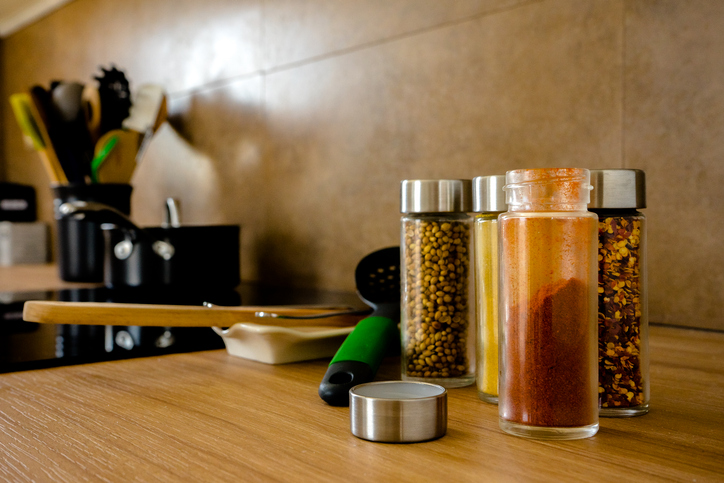
Chronic inflammation is one of those hidden health problems that can simmer under the surface for years.
Even when you don’t feel obvious pain, it may still be contributing to problems like type 2 diabetes, heart disease, obesity, arthritis and even cancer.
But fighting this root cause of disease with medication can be problematic. Non-steroidal anti-inflammatory drugs or NSAIDs can increase GI bleeding, heart attack and stroke risk and are hard on the liver and kidneys.
Thank goodness for anti-inflammatory spices… and research that discovered the secret to boosting their anti-inflammatory effects by several hundred-fold…
Anti-inflammatory spices team up to tamp down inflammation
A team led by scientists at Tokyo University of Science explored how plant-derived compounds affect inflammation in macrophages — immune cells that help drive inflammatory responses.
To simulate inflammation, the researchers exposed mouse macrophages to a bacterial compound commonly used in laboratory studies. They then tested several phytochemicals both individually and in combination, including:
- Menthol (from mint)
- 1,8-cineole (found in eucalyptus)
- Capsaicin (from chili peppers)
- Beta-eudesmol (found in hops and some gingers)
On its own, capsaicin showed the strongest anti-inflammatory effect. But when combined with menthol or 1,8-cineole, the results were dramatically stronger…
According to Professor Gen-ichiro Arimura, “When capsaicin and menthol or 1,8-cineole were used together, their anti-inflammatory effect increased several hundred-fold compared to when each compound was used alone.”
«SPONSORED»
Why spices fight inflammation better together
The researchers believe these compounds in anti-inflammatory spices activate different pathways inside immune cells at the same time, creating a true synergistic effect, meaning the combined impact is far greater than the sum of its parts.
Another important piece of the puzzle is that many spices are naturally rich in antioxidants.
Antioxidants help neutralize free radicals— unstable molecules that can damage cells and trigger inflammation. When free radicals accumulate, they create oxidative stress, which is closely linked to chronic inflammatory conditions.
How does antioxidant activity target inflammation
Many of the same compounds studied, like capsaicin and menthol, also have antioxidant activity. And spices overall are among the most concentrated sources of polyphenols, a group of plant compounds known for supporting healthy inflammatory balance.
Here’s how that connection works:
- Oxidative stress can activate inflammatory pathways
- Antioxidants help reduce that stress, lowering those signals
- Combining plant compounds may allow them to work on both fronts at once
This dual effect — targeting inflammation directly while also reducing its underlying triggers — may help explain why combinations of spice compounds appear so powerful in the lab.
How much spice do we need to eat to reduce inflammation
For years, one of the big questions around “anti-inflammatory foods” has been whether they can truly have meaningful effects at the levels people actually eat.
Individual plant compounds often show promise in laboratory studies, but usually at doses much higher than what you’d get from food alone.
This new research suggests something different: it’s not just about how much you consume — but how compounds work together. Combining phytochemicals may create stronger biological effects even at lower, more realistic levels.
«SPONSORED»
Making anti-inflammatory spices work on your plate
This study supports a growing idea in nutrition science: health benefits may come less from a single “superfood” and more from the way foods interact and combine.
Plant-rich meals naturally include a wide variety of compounds, herbs, spices, vegetables and more, that may reinforce one another in ways we’re only beginning to understand.
So instead of focusing on one ingredient, it may be more helpful to think in terms of variety and combination.
Here are a few simple ways to apply this “spice synergy” concept:
Use multiple spices together
Instead of relying on just one, combine herbs and spices when cooking. Some of my favorites are turmeric and black cumin seed.
Build meals with variety
Soups, stir-fries and teas are great ways to layer different plant compounds.
Be consistent, not excessive
You don’t need large amounts — regular use over time is what matters most.
Focus on your overall diet
A pattern that includes a wide range of plant foods may offer the greatest support for healthy inflammation levels.
Include a dash of black pepper
A few spices, including turmeric and ginger, are best when paired with a little black pepper to help your body break them down and absorb them.
The bottomline
This research offers a compelling explanation for why diets rich in herbs and spices have long been associated with better health.
For now, the best approach is a simple one: eat a variety of plant foods, and don’t be shy about seasoning them generously with herbs and spices.
Editor’s note: Did you know that when you take your body from acid to alkaline you can boost your energy, lose weight, soothe digestion, avoid illness and achieve wellness? Click here to discover The Alkaline Secret to Ultimate Vitality and revive your life today!
FAQ: Spice Synergy for Inflammation
What is the “100x anti-inflammatory spice effect” mentioned in the article?
It refers to a synergistic effect where certain spice compounds—like capsaicin (from chili peppers) combined with menthol or 1,8-cineole—work together to dramatically amplify their anti-inflammatory impact compared to when used alone. In lab studies, this combination increased effectiveness by several hundred-fold.
Which spices or compounds were studied for their anti-inflammatory benefits?
Researchers looked at plant compounds including capsaicin (chili peppers), menthol (mint), 1,8-cineole (eucalyptus), and beta-eudesmol (found in some gingers and hops). Capsaicin showed strong effects on its own, but combinations produced the most powerful results.
Do you need large amounts of spices to get anti-inflammatory benefits?
Not necessarily. The research suggests that how spices are combined may matter more than how much you consume. Even smaller, realistic amounts can be effective when used together regularly as part of a balanced diet.
How can you apply this “spice synergy” concept in everyday meals?
Focus on variety and consistency rather than a single “super spice.” Use multiple herbs and spices together in dishes like soups, teas, and stir-fries, and pair certain spices (like turmeric) with black pepper to enhance absorption and effectiveness.
Sources:
Scientists discover spice synergy that boosts anti-inflammation 100x — Science Daily

By Margaret Cantwell


«SPONSORED»
